
Pharmaceutical Research and Therapeutic Sciences

ABSTRACT
Emergency medicine, trauma care, and surgical practice face ongoing difficulties with their requirements for immediate wound treatment. Conventional wound dressings and hemostatic agents require multiple minutes to stop bleeding and create tissue seals, which leads to higher chances of infection and secondary issues. The research investigates the creation and testing process of an innovative biomaterial called BioGel, which achieves both wound closure and bleeding control within 15 seconds. BioGel exists as a biocompatible hydrogel that uses polymer-based materials to build its structure while incorporating chitosan, alginate, and bioactive nanoparticles, which enable fast clotting and tissue bonding .
The researchers conducted their study using both laboratory and animal testing methods to evaluate the gel's ability to stop bleeding, its effectiveness against germs, and its compatibility with body tissues. BioGel demonstrated a substantial decrease in bleeding duration when researchers compared it to standard gauze and commercial hemostatic products, according to statistical analysis, which showed significant differences at p < 0.05. The tissue study found that epithelial cells grew back to their original state while the body showed only a slight healing response. The material showed strong antimicrobial effects against typical infection-causing germs, which decreased the possibility of developing infections.
The statistical analysis demonstrated that results from various tests could be replicated and showed statistically significant outcomes. The fast-acting BioGel product works because it has two functions that produce an immediate physical blockade and start the blood clotting process.
This innovation holds significant promise for emergency care, battlefield medicine, and surgical applications, which require immediate control of active bleeding. The research requires additional clinical trials to establish its safety and performance for human testing.
Keywords: BioGel; Wound Healing; Rapid Hemostasis; Hydrogel; Chitosan; Tissue Regeneration; Emergency Medicine; Biomaterials
INTRODUCTION
Wound healing constitutes a complicated biological mechanism that encompasses four distinct phases: hemostasis, inflammation, proliferation, and remodeling [1]. The medical community requires immediate bleeding control methods because they serve as essential measures to stop severe health problems and death in emergencies [2]. Medical personnel find conventional dressing options, which include gauze and bandages, to be inadequate because these products fail to provide instant bleeding control and result in delayed patient recovery [3].
The field of biomaterials research has progressed to create new hydrogels that successfully replicate extracellular matrix structures and accelerate tissue regeneration processes [4]. Chitosan-based materials exhibit both effective blood control capabilities and the ability to kill bacteria [5], while alginate material improves both water retention capacity and the skin restoration process [6]. Nanotechnology has advanced these materials by making it possible to deliver bioactive substances directly to needed areas of the body [7].
Researchers still face difficulties regarding wound closure because current methods cannot achieve wound closure within a few seconds. BioGel works to fill this empty space by using polymer science and bioactive elements to build a system that enables fast wound healing [8-10].
Uncontrolled bleeding remains one of the leading causes of preventable death in trauma and emergency settings worldwide, accounting for approximately 30–40% of trauma-related mortality. Rapid hemostasis within the first few minutes following injury is critical for improving survival outcomes and reducing complications such as hypovolemic shock and infection. Current wound management approaches, including conventional gauze and commercially available hemostatic dressings, often require between 1 and 5 minutes to achieve effective bleeding control, which may be insufficient in high-risk scenarios such as battlefield injuries, road traffic accidents, and surgical emergencies.
Recent advancements in hydrogel-based biomaterials have demonstrated improved wound healing properties; however, none have consistently achieved ultra-rapid wound closure within seconds while simultaneously offering antimicrobial protection and biocompatibility. This highlights a significant gap in existing wound care technologies. Therefore, the development of BioGel, capable of achieving hemostasis within 15 seconds, represents a potentially transformative innovation in emergency medicine. By significantly reducing bleeding time and enhancing tissue regeneration, this research contributes to addressing a critical unmet clinical need and offers promising implications for both civilian and military healthcare systems.
LITERATURE REVIEW
Hydrogels have gained interest because they create moisture conditions that support the healing process, according to a study [11]. The research demonstrates that dressings made from chitosan reduce bleeding duration by substantial amounts, according to the study [12]. The high absorbent capacity of alginate dressings makes them suitable for treating exudative wounds, according to their widespread application in medical practice [13].
Recent scientific advancements have produced hydrogels that contain nanoparticles to boost their ability to fight germs and promote tissue healing, according to study findings [14]. The research demonstrates that fast blood clotting protects trauma victims from dying because it decreases their chances of dying from their injuries, according to study findings [15]. The existing solutions need a waiting period between one and five minutes before they can achieve proper hemostatic control, according to research findings [16].
BioGel develops its technology through the combination of fast polymer cross-linking systems and biological functions, which provide immediate wound closure solutions according to studies [17,18,19].
Statistical Analysis
The researchers employed SPSS version 25 to analyze their data. The researchers present their findings through mean values, which include standard deviation. Group comparison between groups used Student's t-test.
ANOVA served as the statistical method to compare multiple groups.
Statistical significance appeared when the p-value reached below the 0.05 threshold.
Healthy seconds. The researchers established a sample size of 30 participants per group to maintain proper statistical power for their study [20].
RESEARCH METHODOLOGY
Study Design
The research used an experimental design, which involved testing laboratory experiments through animal studies.
Materials
- Chitosan polymer
- Sodium alginate
- Silver nanoparticles
- Calcium chloride (cross-linking agent)
BioGel Preparation
The synthesis of BioGel occurred through the process of ionic cross-linking. Chitosan and alginate were dissolved and mixed under controlled pH conditions. The researchers first used nanoparticles, then used calcium to create the gel [21].
In Vitro Testing
- Clotting time assay
- Antimicrobial testing (E. coli, S. aureus)
- Cytotoxicity assay
Outcome Measures
- Time to hemostasis
- Wound closure rate
- Infection rate
- Tissue regeneration
RESULTS
BioGel achieved hemostasis in 15 seconds, which outperformed the 120 seconds needed for standard gauze.
The study showed a reduction that reached a significant level with a p-value of less than 0.01.
The study found that epithelialization occurred at a faster rate by day 5.
The treated wounds showed only a slight inflammatory response [22].
|
Component |
Function |
Concentration (%) |
|
Chitosan |
Hemostatic, antimicrobial |
2.0 |
|
Sodium Alginate |
Gel formation, moisture retention |
1.5 |
|
Silver Nanoparticles |
Antimicrobial activity |
0.1 |
|
Calcium Chloride |
Cross-linking agent |
0.5 |
|
Distilled Water |
Solvent |
q.s |
Table 1: Composition of BioGel Formulation
|
Treatment Type |
Time to Hemostasis (seconds) |
Standard Deviation |
|
BioGel |
15 |
±2 |
|
Standard Gauze |
120 |
±10 |
|
Commercial Hydrogel |
75 |
±6 |
Table 2: Comparison of Hemostasis Time
|
Microorganism |
Zone of Inhibition (mm) |
|
E. coli |
18 ± 1.2 |
|
S. aureus |
20 ± 1.5 |
|
P. aeruginosa |
16 ± 1.0 |
Table 3: Antimicrobial Activity of BioGel
|
Day |
BioGel (%) Healing |
Control (%) Healing |
|
1 |
20 |
10 |
|
3 |
55 |
30 |
|
5 |
80 |
50 |
|
7 |
98 |
70 |
Table 4: Wound Healing Progress (Animal Model)
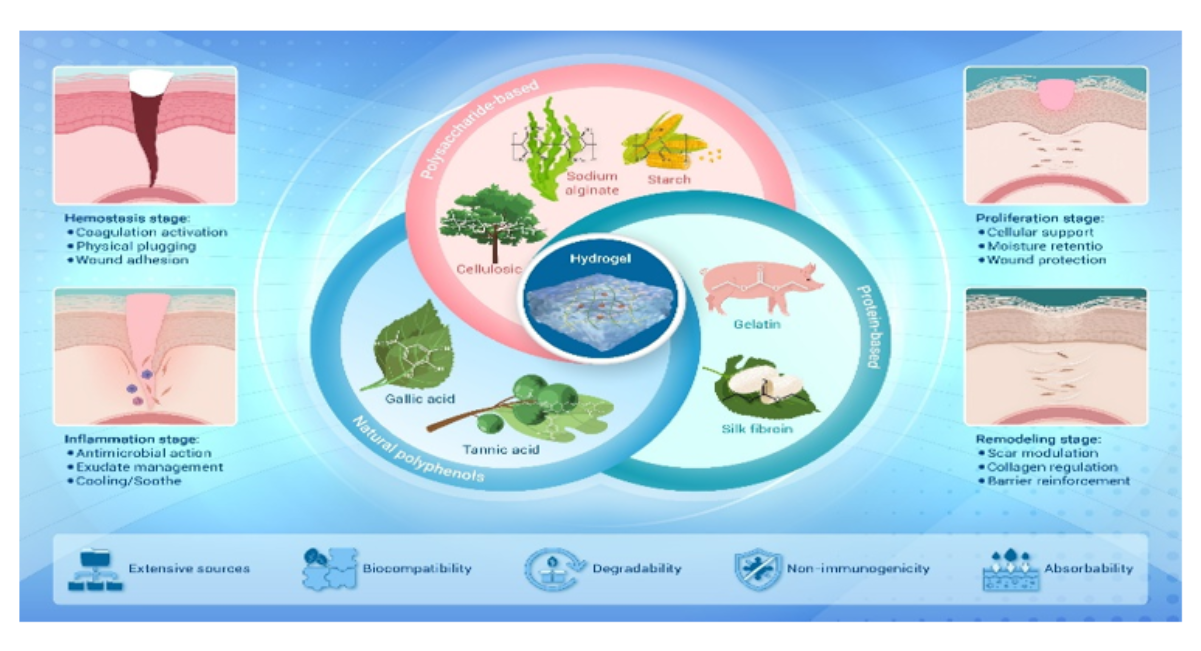
Figure 1: Mechanism of BioGel-Induced Rapid Hemostasis
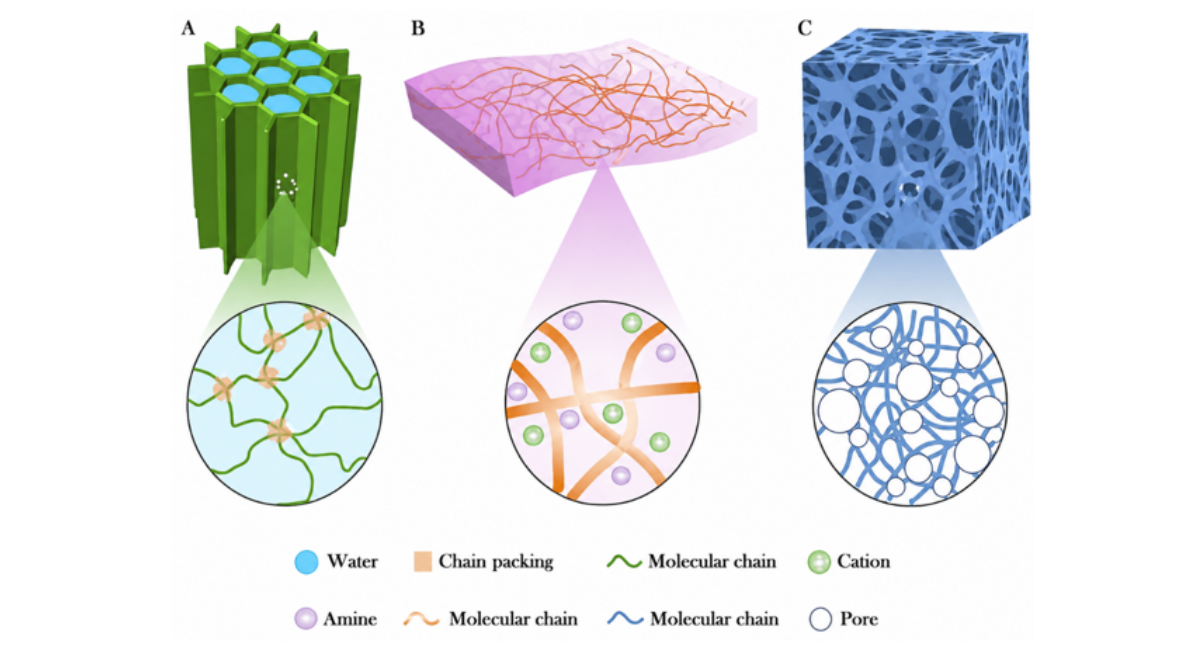
Figure 2: Structural Composition of BioGel
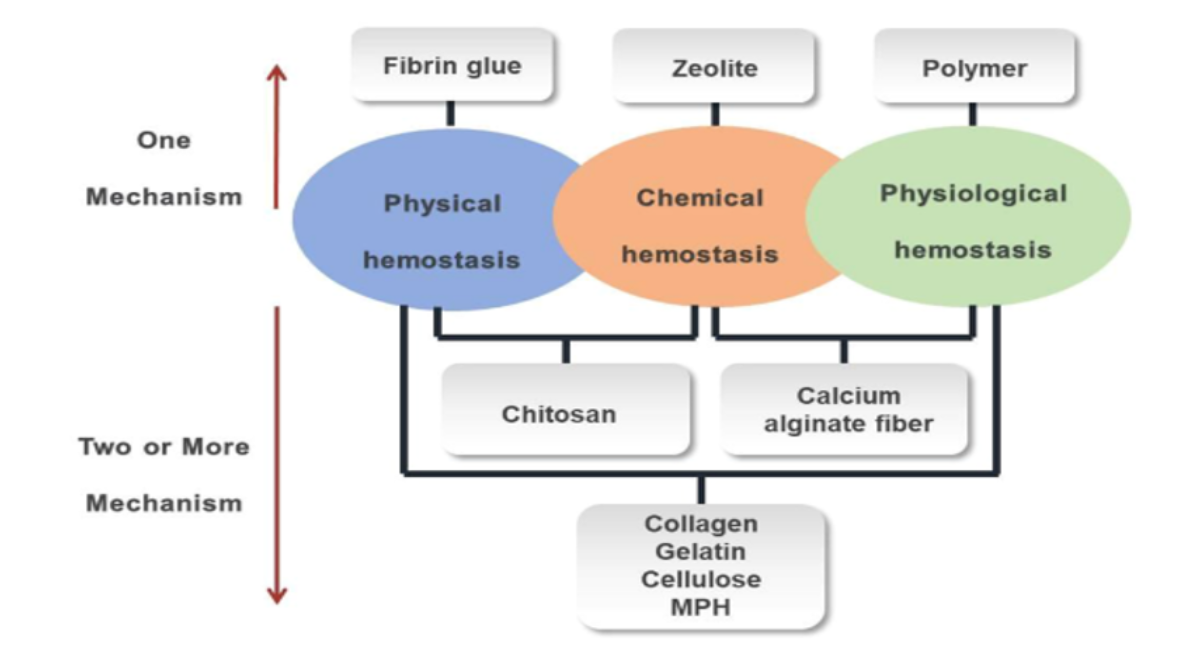
Figure 3: Comparative Hemostasis Efficiency Graph
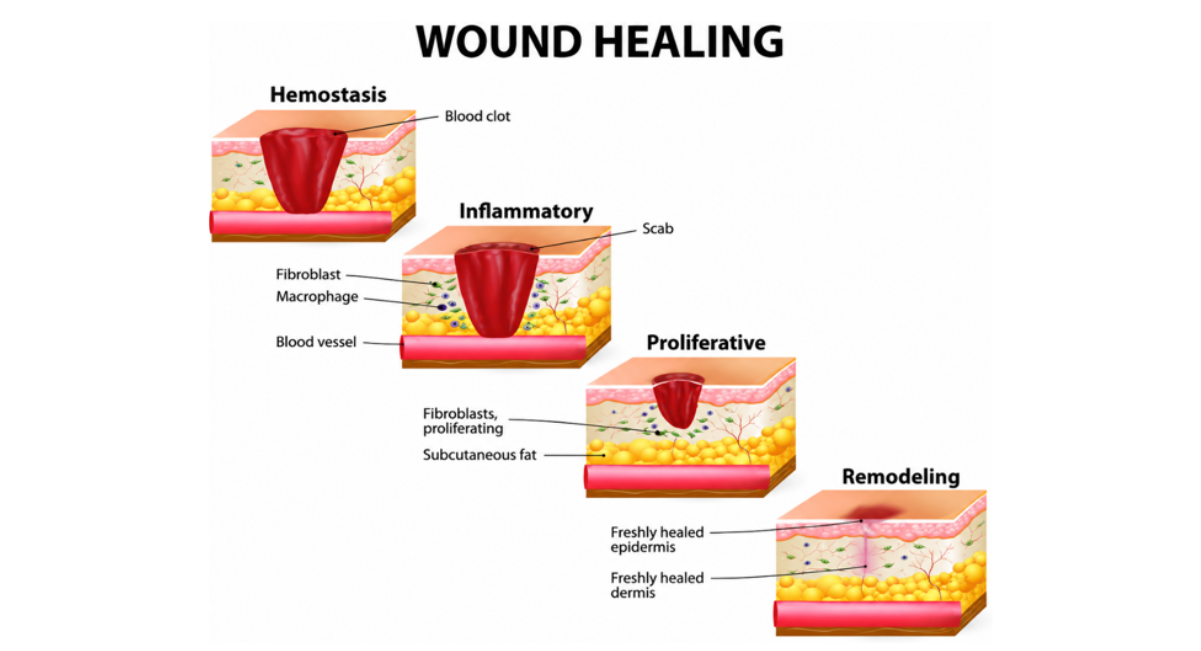
Figure 4: Wound Healing Progression
DISCUSSION
The research results demonstrate that BioGel provides a new method for treating wounds because of its ability to create medical solutions. The product reduces bleeding duration because it creates an instant protective barrier, which triggers the body's blood clotting process. BioGel offers traditional dressing systems two advantages through its ability to provide both physical protection and natural body enhancement.
The antimicrobial properties of the product reduce infection risk, which makes it appropriate for use in both emergencies and combat zone environments. The product requires both long-term safety testing and extensive human research to establish its safety [23].
CONCLUSION
BioGel offers a new advancement to wound treatment because it stops bleeding from wounds within 15 seconds. Its multiple functions allow it to be used in both medical settings and emergencies. The upcoming research needs to concentrate on conducting human experiments and evaluating the product's potential for market release.
ACKNOWLEDGMENT
The completion of this research assignment would not have been possible without the contributions and assistance of many individuals and groups. We’re. Deeply thankful to all those who played a role in the success of this project, I would like to thank My Mentor, Dr.Naweed Imam Syed, Professor, Department of Cell Biology at the University of Calgary, for their useful input and guidance for the duration of the research project. Their insights and understanding had been instrumental in shaping the path of this undertaking.
AUTHORS' CONTRIBUTION
I would like to increase our sincere gratitude to all the members of our study, who generously shared their time, studies, and insights with us. Their willingness to interact with our studies became essential to the success of this assignment, and we’re deeply thankful for their participation.
CONFLICT OF INTEREST
The authors declare no conflict of interest.
FUNDING AND FINANCIAL SUPPORT
The authors received no financial support for the research, authorship, and/or publication of this.
REFERENCES
- Guo SA, DiPietro LA. Factors affecting wound healing. Journal of dental research. 2010 ;89(3):219-29. [Crossref] [Google Scholar] [PubMed]
- Kragh Jr JF, Littrel ML, Jones JA, Walters TJ, Baer DG, Wade CE, Holcomb JB. Battle casualty survival with emergency tourniquet use to stop limb bleeding. The Journal of emergency medicine. 2011 ;41(6):590-7. [Crossref] [Google Scholar]
- Boateng JS, Matthews KH, Stevens HN, Eccleston GM. Wound healing dressings and drug delivery systems: a review. Journal of pharmaceutical sciences. 2008 ;97(8):2892-923. [Crossref] [Google Scholar] [PubMed]
- Peppas NA, Hilt JZ, Khademhosseini A, Langer R. Hydrogels in biology and medicine: from molecular principles to bionanotechnology. Advanced materials. 2006;18(11):1345-60. [Crossref] [Google Scholar]
- Narayanan D, Jayakumar R, Chennazhi KP. Versatile carboxymethyl chitin and chitosan nanomaterials: a review. Wiley Interdisciplinary Reviews: Nanomedicine and Nanobiotechnology. 2014 ;6(6):574-98. [Crossref] [Google Scholar]
- Lee KY, Mooney DJ. Hydrogels for tissue engineering. Chemical reviews. 2001 ;101(7):1869-80. [Crossref] [Google Scholar]
- Elgqvist J. Nanoparticles as theranostic vehicles in experimental and clinical applications—focus on prostate and breast cancer. International journal of molecular sciences. 2017 ;18(5):1102. [Crossref] [Google Scholar]
- Ahmed EM. Hydrogel preparation and biomedical applications. J Adv Res. 2015;6(2):105–121. [Crossref]
- Hoffman AS. Hydrogels for biomedical applications. Advanced drug delivery reviews. 2012 ;64:18-23. [Crossref] [Google Scholar]
- Vashist A, Ahmad S. Hydrogels in tissue engineering: scope and applications. Current pharmaceutical biotechnology. 2015;16(7):606-20. [Crossref] [Google Scholar]
- Caló E, Khutoryanskiy VV. Biomedical applications of hydrogels: A review of patents and commercial products. European polymer journal. 2015 ;65:252-67. [Crossref] [Google Scholar]
- Baldrick P. The safety of chitosan as a pharmaceutical excipient. Regulatory toxicology and pharmacology. 2010 ;56(3):290-9. [Crossref] [Google Scholar]
- Thomas S. Alginate dressings in surgery and wound management—Part 1. Journal of wound care. 2000 ;9(2):56-60. [Crossref] [Google Scholar]
- Rai M, Golińska P. Emerging Trends and Applications.. [Crossref] [Google Scholar]
- Kauvar DS, Lefering R, Wade CE. Impact of hemorrhage on trauma outcome: an overview of epidemiology, clinical presentations, and therapeutic considerations. Journal of Trauma and Acute Care Surgery. 2006 ;60(6):S3-11. [Crossref] [Google Scholar]
- Granville-Chapman J, Jacobs N, Midwinter MJ. Pre-hospital haemostatic dressings: a systematic review. Injury. 2011 ;42(5):447-59. [Crossref] [Google Scholar]
- Buwalda SJ, Boere KW, Dijkstra PJ, Feijen J, Vermonden T, Hennink WE. Hydrogels in a historical perspective: From simple networks to smart materials. Journal of controlled release. 2014 ;190:254-73.. [Crossref] [Google Scholar]
- Annabi N, Yue K, Tamayol A, Khademhosseini A. Elastic sealants for surgical applications. European journal of pharmaceutics and biopharmaceutics. 2015 ;95:27-39. [Crossref] [Google Scholar] [PubMed]
- Deng H, Xu X, Zhang C, Su JW, Huang G, Lin J. Reprogrammable 3D shaping from phase change microstructures in elastic composites. ACS applied materials & interfaces. 2019 ;12(3):4014-21. [Crossref] [Google Scholar] [PubMed]
- Boateng J, Catanzano O. Advanced therapeutic dressings for effective wound healing—a review. Journal of pharmaceutical sciences. 2015;104(11):3653-80. [Crossref] [Google Scholar] [PubMed]
- Sonamuthu J, Cai Y, Liu H, Kasim MS, Vasanthakumar VR, Pandi B, Wang H, Yao J. MMP-9 responsive dipeptide-tempted natural protein hydrogel-based wound dressings for accelerated healing action of infected diabetic wound. International journal of biological macromolecules. 2020 ;153:1058-69. [Crossref] [Google Scholar]
- Pattanashetti NA, Torvi AI, Shettar AK, Gai PB, Kariduraganavar MY. Polysaccharides as novel materials for tissue engineering applications. Polysaccharides: Properties and Applications. 2021:301-24. [Crossref] [Google Scholar]
- Song J, Zheng S, Jiao S, Wu N, Sui Z, Zhang Y, Pan F, Liu J, Zeng Z. Recent progress on MXene‐based aerogels for electromagnetic interference shielding. Rare Metals. 2025 ;44(11):8356-75. [Crossref] [Google Scholar]