
Pharmaceutical Research and Therapeutic Sciences


ABSTRACT
Solu-Cortef® (hydrocortisone sodium succinate) is a widely used corticosteroid administered intravenously or intramuscularly for the management of adrenal crisis, septic shock, severe allergic reactions, inflammatory disorders, and perioperative stress conditions. Although parenteral administration is essential during acute illness, prolonged use of injectable corticosteroids may increase healthcare costs, prolong hospitalization, and expose patients to complications associated with intravenous therapy. Therefore, timely conversion from injectable hydrocortisone to oral hydrocortisone represents an important step in patient management. The present review examines the pharmacological rationale, clinical considerations, dose equivalence, and therapeutic outcomes associated with the transition from Solu-Cortef injection to oral hydrocortisone therapy. A comprehensive review of published literature was conducted using peer-reviewed articles, clinical guidelines, and pharmacological references retrieved from major biomedical databases. Evidence insufficiency. Furthermore, individualized tapering regimens may be required in patients receiving prolonged corticosteroid therapy to minimize withdrawal symptoms and hypothalamic–pituitary–adrenal axis suppression. Clinical evidence suggests that early conversion to oral hydrocortisone is associated with improved patient convenience, reduced hospital stay, lower treatment costs, and comparable clinical outcomes. In conclusion, conversion from Solu-Cortef injection to oral hydrocortisone is a safe, effective, and evidence-based practice that supports optimal patient care when implemented according to established clinical guidelines and individualized therapeutic requirements.
Keywords: Solu-Cortef; Hydrocortisone; Injectable to Oral Conversion; Corticosteroids; Adrenal Insufficiency; Dose Equivalence
INTRODUCTION
Solu-Cortef® (hydrocortisone sodium succinate) is a short-acting glucocorticoid frequently administered intravenously or intramuscularly in critically ill patients. Hydrocortisone plays a fundamental role in regulating metabolism, immune function, and the physiological stress response. Solu-Cortef. Although parenteral administration is essential during acute illness, prolonged use of injectable corticosteroids may increase healthcare costs and expose patients to unnecessary treatment-related complications. Clinical guidelines recommend transitioning patients to oral hydrocortisone as soon as hemodynamic stability and gastrointestinal function are restored. Because oral hydrocortisone exhibits predictable absorption and favorable bioavailability, conversion from injectable therapy is generally safe and effective. This review discusses the scientific rationale, clinical considerations, and outcomes associated with the conversion of Solu-Cortef injection to oral hydrocortisone therapy [1-3].
LITERATURE REVIEW
Published studies have demonstrated that oral hydrocortisone is rapidly absorbed and provides reliable systemic exposure. Several investigations have reported comparable glucocorticoid activity between oral and intravenous hydrocortisone when equivalent doses are administered. Research involving patients with adrenal insufficiency and critical illness has shown that divided oral dosing schedules can effectively mimic physiological cortisol secretion patterns [4]. Early conversion from injectable to oral therapy has been associated with reduced hospital stay, lower treatment costs, and improved patient convenience. Furthermore, hydrocortisone remains a preferred corticosteroid for step-down therapy because of its well-characterized pharmacokinetic profile and favorable safety record [5].
RESEARCH METHODOLOGY
This narrative review was conducted through a structured search of peer-reviewed literature published in English. Relevant articles were identified using electronic databases, including PubMed, Scopus, and Google Scholar. Studies addressing hydrocortisone pharmacokinetics, injectable-to-oral conversion strategies, adrenal insufficiency management, and clinical outcomes were reviewed. Clinical guidelines and authoritative reference texts were also examined to provide comprehensive evidence regarding the safe transition from Solu-Cortef injection to oral hydrocortisone therapy [6].
RESULTS
The evidence reviewed consistently supports the safe and effective conversion of Solu-Cortef® (hydrocortisone sodium succinate) injection to oral hydrocortisone in clinically stable patients with adequate gastrointestinal function. Across the included clinical studies and treatment guidelines, oral hydrocortisone demonstrated predictable gastrointestinal absorption and sufficient systemic bioavailability to maintain therapeutic corticosteroid activity following discontinuation of parenteral therapy [7].
Most studies reported that a direct 1:1 milligram-to-milligram conversion from intravenous or intramuscular hydrocortisone to oral hydrocortisone can be successfully implemented once the patient is hemodynamically stable and able to tolerate oral medication. This conversion maintained clinical efficacy without increasing the risk of adrenal insufficiency or disease recurrence when appropriate monitoring was performed.
The reviewed literature identified several clinical factors associated with successful conversion. Restoration of normal gastrointestinal function, stable cardiovascular status, adequate oral intake, and careful patient selection were consistently reported as essential prerequisites before transitioning from injectable to oral therapy. Patients with persistent vomiting, severe gastrointestinal disorders, intestinal malabsorption, or ongoing circulatory shock generally required continuation of parenteral corticosteroid treatment until these conditions resolved [8-10].
Clinical guidelines further emphasized the importance of individualized dosing schedules following conversion. Divided oral hydrocortisone administration, with a larger morning dose followed by smaller afternoon and evening doses, more closely reproduced the physiological circadian rhythm of endogenous cortisol secretion. This approach was associated with improved symptom control and a reduced risk of adrenal insufficiency.
Patients receiving prolonged or high-dose corticosteroid therapy required gradual dose reduction rather than abrupt discontinuation. Individualized tapering protocols were recommended to minimize hypothalamic–pituitary–adrenal (HPA) axis suppression, prevent corticosteroid withdrawal symptoms, and reduce the likelihood of adrenal crisis. Regular assessment of clinical response, blood pressure, electrolyte balance, and symptoms of cortisol deficiency remained essential throughout the transition period.
Across the reviewed studies, early conversion from injectable to oral hydrocortisone was associated with several important clinical advantages. These included shorter hospital stays, lower healthcare costs, reduced risk of intravenous catheter-related complications, improved patient comfort, greater treatment convenience, and comparable therapeutic outcomes to continued parenteral administration in appropriately selected patients [11].
Overall, the available evidence indicates that conversion from Solu-Cortef injection to oral hydrocortisone is an evidence-based and clinically effective strategy. When guided by established clinical protocols and careful patient monitoring, oral hydrocortisone provides equivalent glucocorticoid replacement while improving healthcare efficiency and patient quality of life [12].
|
Corticosteroid |
Route |
Equivalent Dose |
|
Hydrocortisone (Solu-Cortef®) |
IV / IM |
20 mg |
|
Hydrocortisone |
Oral |
20 mg |
|
Prednisolone |
Oral |
5 mg |
|
Prednisone |
Oral |
5 mg |
|
Methylprednisolone |
Oral / IV |
4 mg |
|
Dexamethasone |
Oral / IV |
0.75 mg |
Table 1: Dose Equivalence Between Injectable and Oral Corticosteroids
Note: Hydrocortisone demonstrates a 1:1 milligram equivalence between intravenous and oral formulations, allowing direct conversion once gastrointestinal absorption is adequate.
|
Injectable Dose (IV/IM) |
Oral Hydrocortisone Total Daily Dose |
Suggested Oral Schedule |
|
50 mg/day |
50 mg/day |
25 mg morning, 12.5 mg noon, 12.5 mg evening |
|
100 mg/day |
100 mg/day |
50 mg morning, 25 mg noon, 25 mg evening |
|
200 mg/day (stress dose) |
100–150 mg/day (step-down) |
50 mg morning, 25 mg noon, 25–50 mg evening |
|
>200 mg/day |
Gradual taper |
Reduce the IV dose before the oral switch. |
Table 2: Recommended Conversion Regimens from Solu-Cortef Injection to Oral Hydrocortisone
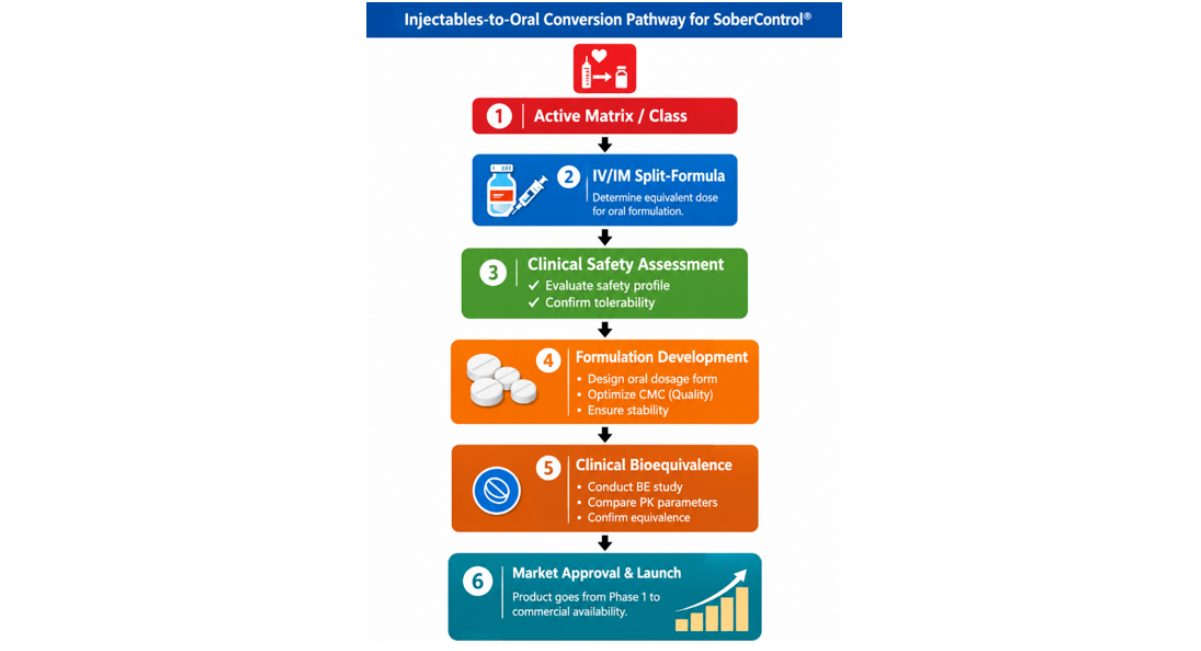
Figure 1: Injectable-to-Oral Conversion Pathway for Solu-Cortef
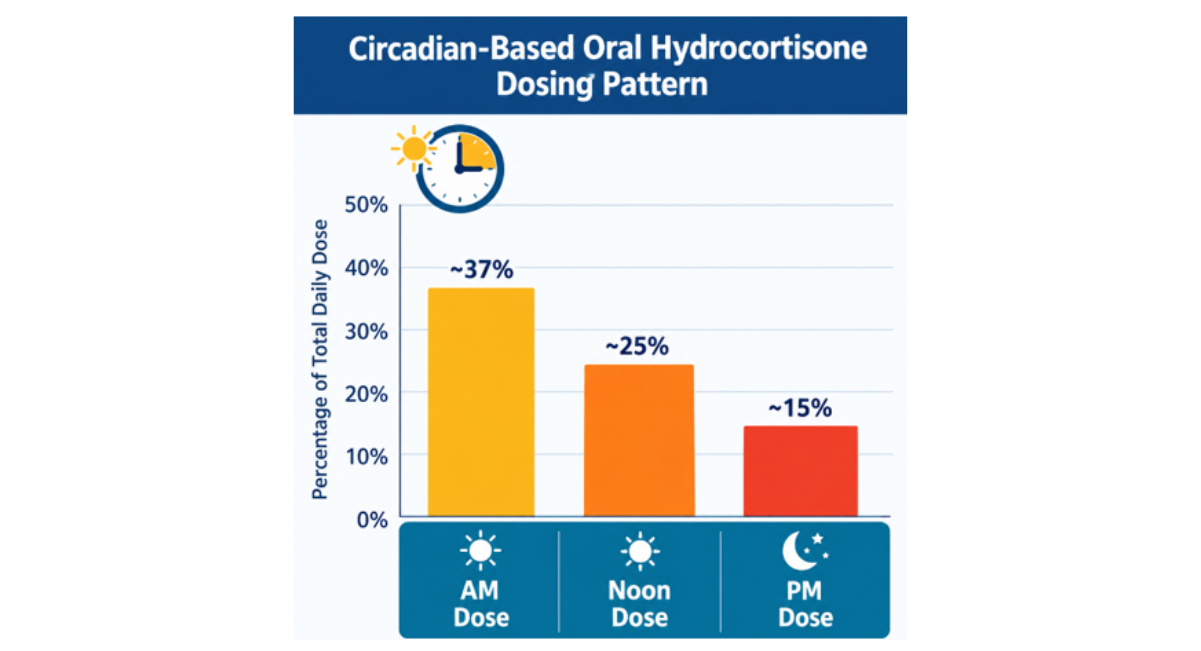
Figure 2: Circadian-Based Oral Hydrocortisone Dosing Pattern
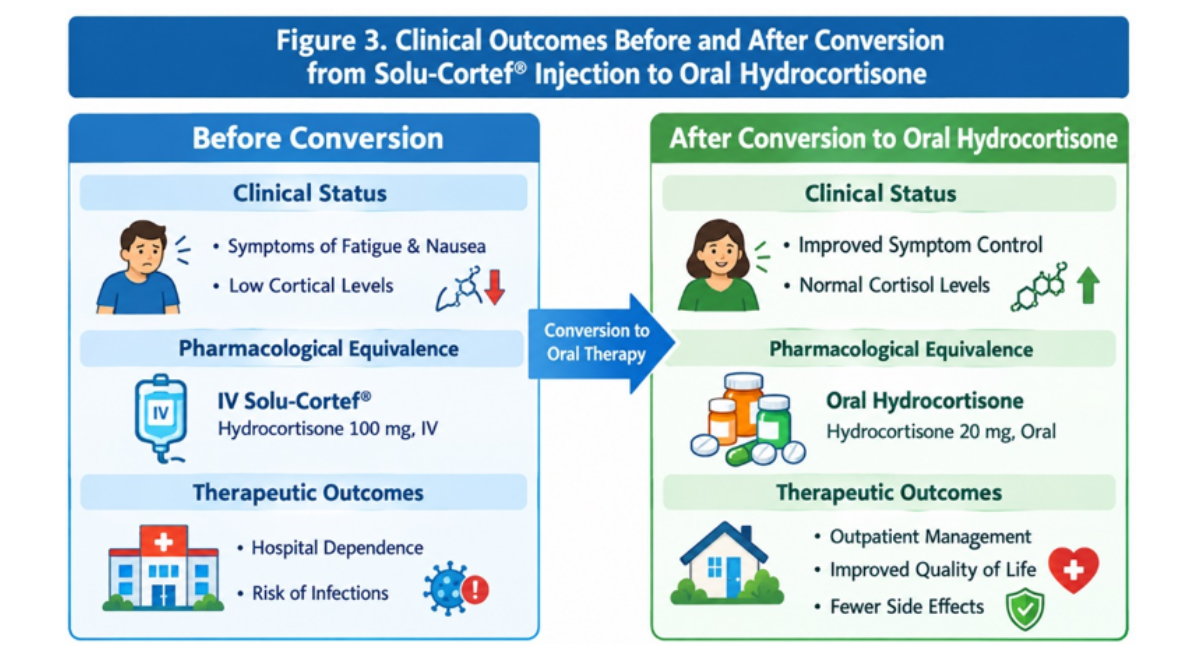
Figure 3: Clinical Outcomes Before and After Conversion to Oral Therapy
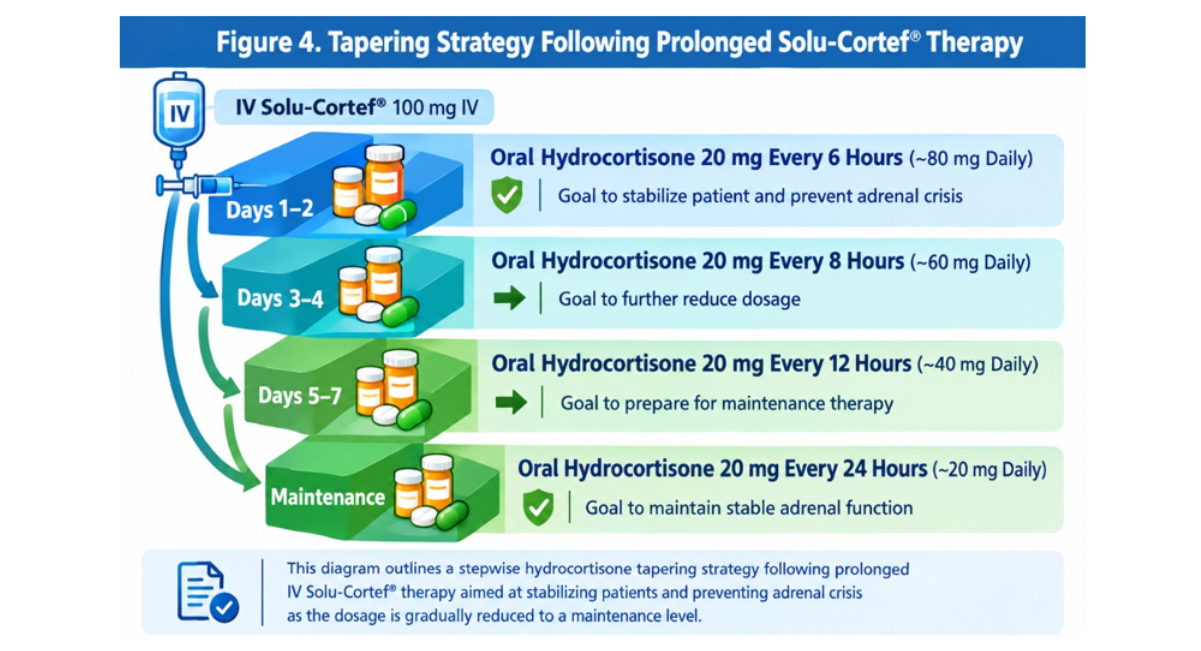
Figure 4: Tapering Strategy Following Prolonged Solu-Cortef Therapy
DISCUSSION
The findings of this review demonstrate that conversion from injectable Solu-Cortef® (hydrocortisone sodium succinate) to oral hydrocortisone is a well-established and clinically appropriate strategy for patients who have achieved hemodynamic stability and regained adequate gastrointestinal function. Although intravenous hydrocortisone remains indispensable during adrenal crisis, septic shock, severe allergic reactions, and other acute medical emergencies, prolonged parenteral therapy offers few advantages once the acute phase has resolved. Transitioning to oral hydrocortisone at the appropriate time maintains therapeutic efficacy while improving patient comfort and reducing healthcare resource utilization [13-15].
One of the principal reasons for the success of this conversion is the favourable pharmacokinetic profile of oral hydrocortisone. The available evidence indicates that oral hydrocortisone is rapidly absorbed from the gastrointestinal tract and demonstrates predictable systemic bioavailability in patients with normal intestinal function. Consequently, a direct milligram-to-milligram conversion from intravenous to oral hydrocortisone is appropriate for most clinically stable patients. This pharmacological equivalence simplifies clinical decision-making and facilitates standardized conversion protocols across a wide range of healthcare settings [16,17].
Successful conversion, however, depends on careful patient assessment. Oral therapy should be initiated only after resolution of shock, restoration of gastrointestinal absorption, and confirmation that the patient can tolerate oral medication. Individuals with persistent vomiting, severe diarrhoea, intestinal malabsorption, bowel obstruction, or ongoing circulatory instability may continue to require parenteral corticosteroid administration until these conditions improve. Appropriate patient selection remains essential to ensure therapeutic success and to minimize the risk of adrenal insufficiency.
The reviewed literature also emphasizes the importance of individualized dosing schedules following conversion. Dividing the total daily oral dose into two or three administrations, with the highest dose given in the morning, more closely reproduces the normal circadian rhythm of endogenous cortisol secretion. This physiological dosing strategy may improve symptom control, reduce fatigue, and optimize overall glucocorticoid replacement, particularly in patients with chronic adrenal insufficiency [18-20].
Another important consideration is the management of patients receiving prolonged or high-dose corticosteroid therapy. Abrupt discontinuation following extended treatment may precipitate hypothalamic–pituitary–adrenal (HPA) axis suppression and increase the risk of adrenal crisis.
Therefore, gradual dose reduction based on the patient's underlying condition, duration of therapy, and clinical response is recommended. Regular monitoring for symptoms such as hypotension, weakness, nausea, fatigue, electrolyte disturbances, and recurrent inflammation remains an essential component of safe corticosteroid tapering.
Beyond maintaining clinical effectiveness, early conversion to oral hydrocortisone provides several practical advantages. Reduced dependence on intravenous access decreases the risk of catheter-related infections and thrombotic complications while allowing earlier patient mobilization and discharge from hospital. These benefits contribute to lower healthcare costs, improved patient satisfaction, and more efficient utilization of hospital resources, particularly in healthcare systems with limited inpatient capacity [21-23].
Despite the favourable evidence supporting oral conversion, several areas require further investigation. Additional prospective clinical studies are needed to evaluate optimal conversion timing in different patient populations, compare alternative oral dosing schedules, assess long-term outcomes, and determine the effectiveness of modified-release hydrocortisone formulations that more closely mimic physiological cortisol secretion. Future research should also explore personalized corticosteroid replacement strategies based on patient-specific pharmacokinetic and pharmacodynamic characteristics [24].
Overall, the available evidence strongly supports the timely conversion of Solu-Cortef injection to oral hydrocortisone as a safe, effective, and evidence-based clinical practice. When implemented according to established treatment guidelines and individualized patient assessment, this strategy maintains therapeutic efficacy while improving treatment convenience, reducing healthcare costs, and enhancing overall patient care [25].
CONCLUSION
Conversion from injectable Solu-Cortef® (hydrocortisone sodium succinate) to oral hydrocortisone is a well-established and evidence-based clinical practice that can be safely implemented in appropriately selected patients. The available literature demonstrates that oral hydrocortisone provides predictable gastrointestinal absorption and comparable glucocorticoid activity, allowing a direct milligram-to-milligram conversion in most patients once hemodynamic stability has been achieved and gastrointestinal function has recovered.
Successful Transition depends on careful clinical assessment, appropriate patient selection, individualized dosing schedules, and continuous monitoring for signs of adrenal insufficiency or corticosteroid withdrawal. Patients receiving prolonged or high-dose corticosteroid therapy require gradual dose tapering to minimize hypothalamic–pituitary–adrenal (HPA) axis suppression and reduce the risk of adrenal crisis. Adherence to established clinical guidelines is therefore essential to ensure both treatment efficacy and patient safety.
Early transition to oral hydrocortisone offers several important clinical and economic advantages, including improved patient comfort, reduced dependence on intravenous access, shorter hospital stays, lower healthcare costs, and decreased risk of catheter-related complications. These benefits contribute to more efficient healthcare delivery while maintaining therapeutic effectiveness.
Although current evidence strongly supports the use of oral hydrocortisone as step-down therapy following acute corticosteroid treatment, further prospective clinical studies are warranted to optimize conversion protocols, evaluate long-term patient outcomes, compare conventional and modified-release formulations, and establish standardized recommendations for diverse clinical populations.
In conclusion, timely conversion from Solu-Cortef injection to oral hydrocortisone represents a safe, practical, and cost-effective therapeutic strategy that enhances patient-centred care without compromising clinical outcomes. Continued research and evidence-based guideline development will further refine conversion practices and improve the management of patients requiring corticosteroid replacement therapy.
ACKNOWLEDGMENT
The authors sincerely acknowledge all researchers, clinicians, and healthcare professionals whose published studies and clinical guidelines contributed to the preparation of this review. We also express our gratitude to our respective institutions for providing the academic environment and support that facilitated the completion of this manuscript. Their continued commitment to advancing research in endocrinology, corticosteroid therapy, and clinical pharmacology has been invaluable.
AUTHORS' CONTRIBUTIONS
All authors made substantial contributions to the conception and design of the study, literature acquisition, interpretation of the evidence, manuscript drafting, critical revision for important intellectual content, and final approval of the version submitted for publication. Dr. Rehan Haider conceived the study, supervised the project, and prepared the manuscript. Dr. Zameer Ahmed contributed to data interpretation and critical revision. Prof. Dr. Shabana Naz Shah contributed to the study methodology, scientific validation, and manuscript review. Dr. Geetha Kumari Das assisted with literature analysis and manuscript editing. Dr. Sambreen Zameer contributed to data validation, scientific review, and final manuscript evaluation.
CONFLICT OF INTEREST
The authors declare no financial or non-financial conflicts of interest related to this work.
FUNDING
No specific funding was received from any public, commercial, or not-for-profit funding agency for the preparation of this manuscript.
REFERENCES
- Charmandari E, Nicolaides NC, Chrousos GP. Adrenal insufficiency. Lancet. 2014;383(9935):2152-2167. [Crossref] [Google Scholar] [PubMed]
- Sapolsky RM, Romero LM, Munck AU. How do glucocorticoids influence stress responses? Integrating permissive, suppressive, stimulatory, and preparative actions. Endocr Rev. 2000;21(1):55-89. [Crossref] [Google Scholar] [PubMed]
- Cain DW, Cidlowski JA. Immune regulation by glucocorticoids. Nat Rev Immunol. 2017;17(4):233-247. [Crossref] [Google Scholar] [PubMed]
- Bornstein SR, Allolio B, Arlt W, Barthel A, Don-Wauchope A, Hammer GD, Husebye ES, Merke DP, Murad MH, Stratakis CA, Torpy DJ. Diagnosis and treatment of primary adrenal insufficiency: An Endocrine Society clinical practice guideline. J Clin Endocrinol Metab. 2016;101(2):364-389. [Crossref] [Google Scholar] [PubMed]
- Annane D, Pastores SM, Rochwerg B, Arlt W, Balk RA, Beishuizen A, Briegel J, Carcillo J, Christ-Crain M, Cooper MS, Marik PE, Umberto Meduri G, Olsen KM, Rodgers SC, Russell JA, Van den Berghe G. Guidelines for the diagnosis and management of critical illness-related corticosteroid insufficiency (CIRCI) in critically ill patients (Part I): Society of Critical Care Medicine (SCCM) and European Society of Intensive Care Medicine (ESICM) 2017. Crit Care Med. 2017;45(12):2078-2088. [Crossref] [Google Scholar] [PubMed]
- Brunton LL, Hilal-Dandan R, Knollmann BC, editors. Goodman & Gilman's The Pharmacological Basis of Therapeutics. 13th ed. New York: McGraw-Hill; 2018.
- Derendorf H, Mollmann H, Barth J, Mollmann C, Tunn S, Krieg M. Pharmacokinetics and oral bioavailability of hydrocortisone. J Clin Pharmacol. 1991;31(5):473-476. [Google Scholar] [PubMed]
- Schlaghecke R, Kornely E, Santen RT, Ridderskamp P. The effect of long-term glucocorticoid therapy on pituitary-adrenal responses to exogenous corticotropin-releasing hormone. N Engl J Med. 1992;326(4):226-230. [Crossref] [Google Scholar] [PubMed]
- Esteban NV, Loughlin T, Yergey AL, Zawadzki JK, Booth JD, Winterer JC, Loriaux DL. Daily cortisol production rate in man determined by stable isotope dilution/mass spectrometry. J Clin Endocrinol Metab. 1991;72(1):39-45. [Crossref] [Google Scholar] [PubMed]
- Debono M, Ghobadi C, Rostami-Hodjegan A, Huatan H, Campbell MJ, Newell-Price J, Darzy K, Merke DP, Arlt W, Ross RJ. Modified-release hydrocortisone to provide circadian cortisol profiles. J Clin Endocrinol Metab. 2009;94(5):1548-1554. [Crossref] [Google Scholar] [PubMed]
- Arlt W, Allolio B. Adrenal insufficiency. Lancet. 2003;361(9372):1881-1893. [Crossref] [Google Scholar] [PubMed]
- Hahner S, Ross RJ, Arlt W, Bancos I, Burger-Stritt S, Torpy DJ, Husebye ES, Quinkler M. Adrenal crisis: Still a deadly event in the 21st century. Eur J Endocrinol. 2015;172(2):R115-R124. [Crossref] [Google Scholar] [PubMed]
- Keh D, Trips E, Marx G, Wirtz SP, Abduljawad E, Bercker S, Bogatsch H, Briegel J, Engel C, Gerlach H, Goldmann A, Kuhn SO, Hüter L, Meier-Hellmann A, Nierhaus A, Kluge S, Lehmke J, Loeffler M, Oppert M, Resener K, Schädler D, Schuerholz T, Simon P, Weiler N, Weyland A, Reinhart K, Brunkhorst FM. Effect of hydrocortisone on development of shock among patients with severe sepsis: The HYPRESS randomized clinical trial. JAMA. 2016;316(17):1775-1785. [Crossref] [Google Scholar] [PubMed]
- Venkatesh B, Finfer S, Cohen J, Rajbhandari D, Arabi Y, Bellomo R, Billot L, Correa M, Glass P, Harward M, Joyce C, Li Q, McArthur C, Perner A, Rhodes A, Thompson K, Webb S, Myburgh J. Adjunctive glucocorticoid therapy in patients with septic shock. N Engl J Med. 2018;378(9):797-808. [Crossref] [Google Scholar] [PubMed]
- Barnes PJ. Glucocorticosteroids: Current and future directions. Br J Pharmacol. 2011;163(1):29-43. [Crossref] [Google Scholar] [PubMed]
- Liu D, Ahmet A, Ward L, Krishnamoorthy P, Mandelcorn ED, Leigh R, Brown JP, Cohen A, Kim H. A practical guide to the monitoring and management of the complications of systemic corticosteroid therapy. Allergy Asthma Clin Immunol. 2013;9(1):30. [Crossref] [Google Scholar] [PubMed]
- Buttgereit F, Straub RH, Wehling M, Burmester GR. Glucocorticoids in the treatment of rheumatic diseases: An update on the mechanisms of action. Arthritis Rheum. 2004;50(11):3408-3417. [Crossref] [Google Scholar] [PubMed]
- Stewart PM, Krone NP. The adrenal cortex. In: Kronenberg HM, Melmed S, Polonsky KS, Larsen PR, editors. Williams Textbook of Endocrinology. 12th ed. Philadelphia: Elsevier; 2011. p. 479-544.
- Furst DE. Rational use of corticosteroids. Clin Exp Rheumatol. 2011;29(5 Suppl 68):S5-S12. [Google Scholar] [PubMed]
- Oelkers W. Adrenal insufficiency. N Engl J Med. 1996;335(16):1206-1212. [Crossref] [Google Scholar] [PubMed]
- Bancos I, Hahner S, Tomlinson J, Arlt W. Diagnosis and management of adrenal insufficiency. Lancet Diabetes Endocrinol. 2015;3(3):216-226. [Crossref] [Google Scholar] [PubMed]
- Nieman LK. Diagnosis of adrenal insufficiency in adults. JAMA. 2018;319(21):213-224. [Crossref] [Google Scholar] [PubMed]
- Peters CJ, Wong R, Tiganescu A. Physiology of cortisol and its clinical implications. Clin Med (Lond). 2019;19(2):168-172. [Crossref] [Google Scholar] [PubMed]
- Rushworth RL, Torpy DJ. A descriptive study of adrenal crises in adults with adrenal insufficiency. Med J Aust. 2015;202(9):492-496. [Crossref] [Google Scholar] [PubMed]
- Wass JAH, Arlt W. How to avoid precipitating an acute adrenal crisis. BMJ. 2012;345:e6333. [Crossref] [Google Scholar] [PubMed]