
Pharmaceutical Research and Therapeutic Sciences


ABSTRACT
In today’s digital world, the younger generation is spending more time on screen devices than ever before, particularly at night. The blue light emitted from devices and prolonged screen exposure disrupts the natural sleep–wake cycle and contributes significantly to insomnia. This study highlights the paradox that, while many young individuals turn to sleeping pills for insomnia relief, these medications remain largely ineffective because the true underlying cause—excessive screen use—remains unaddressed. This cross-sectional study, conducted on 200 individuals (118 males and 82 females) mainly aged 18–25 years, assessed screen time and sleep quality through structured questionnaire, including the Pittsburgh Sleep Quality Index (PSQI) and the Insomnia Severity Index (ISI). Data analysis further demonstrated that prolonged screen time was significantly associated with insomnia, poor sleep quality, increased sleep latency, and reduced sleep duration, which in turn led to a greater reliance on sleeping pills. However, no significant correlation was found between screen time and insomnia when compared to other influencing factors such as stress, anxiety, and depression. These results emphasize that effective screen time management is more crucial for addressing insomnia than relying solely on sleeping pills, which may provide temporary relief but cannot serve as a sustainable solution.
Devices and prolonged screen exposure disrupts the natural sleep–wake cycle and contributes significantly to insomnia. This study highlights the paradox that, while many young individuals turn to sleeping pills for insomnia relief, these medications remain largely ineffective because the true underlying cause—excessive screen use—remains unaddressed. This cross-sectional study, conducted on 200 individuals (118 males and 82 females) mainly aged 18–25 years, assessed screen time and sleep quality through structured questionnaire, including the Pittsburgh Sleep Quality Index (PSQI) and the Insomnia Severity Index (ISI). Data analysis further demonstrated that prolonged screen time was significantly associated with insomnia, poor sleep quality, increased sleep latency, and reduced sleep duration, which in turn led to a greater reliance on sleeping pills. However, no significant correlation was found between screen time and insomnia when compared to other influencing factors such as stress, anxiety, and depression. These results emphasize that effective screen time management is more crucial for addressing insomnia than relying solely on sleeping pills, which may provide temporary relief but cannot serve as a sustainable solution.
Keywords: Screen Time; Sleeping Pills; Insomnia; Sleep Quality; Blue Light; Young Adults; Sleep-Wake Cycle; Paradox of Medication
INTRODUCTION
Insomnia
Definition
Insomnia, a common sleep disorder, is defined by persistent difficulty initiating or maintaining sleep, or experiencing non-restorative sleep despite adequate opportunity [1]. According to the Diagnostic and Statistical Manual of Mental Disorders, Fifth Edition, chronic insomnia requires symptoms at least three nights per week for three months or longer [2]. It may present as difficulty falling asleep, frequent awakenings, or early morning waking, and is linked to daytime impairments such as fatigue, poor concentration, and reduced performance [3,4].
Epidemiology
Globally, insomnia affects an estimated 10–30% of adults, rising to 50–60% in high-risk groups [5]. In Pakistan, 20–25% of adults report insomnia symptoms, though underdiagnosis may underestimate the true prevalence; this study found 18.5%, consistent with prior data. Traditionally more common in women and older adults due to hormonal changes, menopause, and comorbidities, insomnia is increasingly observed in younger populations, driven by academic and work stress, digital device overuse, irregular sleep schedules, and lifestyle pressures [6]. Key risk factors include psychiatric disorders such as depression and anxiety, chronic pain, cardiovascular disease, and late-night screen exposure, highlighting that insomnia now affects both traditional high-risk groups and today’s youth [7].
Pathophysiology
The pathophysiology of insomnia is complex and multifactorial, involving dysregulation of the sleep–wake cycle, hyperarousal, and altered neurochemical signaling. The widely accepted hyperarousal model suggests that individuals with insomnia experience elevated physiological, cognitive, and cortical arousal both during the night and the day [8]. Neuroimaging studies show heightened activation in wake-promoting brain regions, including the ascending reticular activating system and prefrontal cortex, even during sleep. At the neurochemical level, imbalances in gamma-aminobutyric acid (GABA) alongside increased activity of wake-promoting neurotransmitters such as norepinephrine and histamine can impair sleep onset and continuity. Dysregulation of the hypothalamic–pituitary–adrenal (HPA) axis and elevated nighttime cortisol further reinforce the role of stress and arousal in perpetuating insomnia.
Treatment
Treatment approaches for insomnia can be non-pharmacological or pharmacological.
- Cognitive Behavioral Therapy for Insomnia (CBT-I) is considered the firstline treatment and has been shown to produce long-lasting improvements [9]. CBT-I addresses maladaptive sleep habits and thoughts, using strategies like stimulus control, sleep restriction, and relaxation training.
- Pharmacotherapy is usually recommended for short-term or adjunctive use, particularly when insomnia causes significant distress or functional impairment. Hypnotics such as benzodiazepine receptor agonists (e.g., zolpidem, eszopiclone) and low-dose sedating antidepressants are common options. However, medication use is often limited by side effects, tolerance, and dependence risks.
- Adjunctive interventions include mindfulness-based therapies, light therapy, and sleep hygiene education [10].
Interventions
Interventions for insomnia must be multidimensional. Public health initiatives increasingly focus on sleep hygiene education, which encourages practices such as maintaining a consistent sleep schedule, avoiding caffeine and alcohol before bedtime, and limiting evening screen exposure [11].
Emerging interventions also target digital-related sleep disruption, such as blue light filtering applications, night-shift modes on devices, and behavioral strategies to reduce late-night device use. The integration of technology-based CBT-I platforms offered via apps or telehealth has expanded accessibility for individuals who cannot attend in-person therapy [12].
DESCRIPTION
Screen Time
Screen time refers to the duration of time spent engaging with electronic devices that have a screen interface, including smartphones, computers, tablets, televisions, and gaming consoles [9]. Modern lifestyles have led to a substantial increase in screen time across all age groups. For many, particularly students and professionals, daily screen exposure may exceed 8–10 hours, encompassing both work-related and leisure activities.
The widespread adoption of social media, streaming services, and online gaming has blurred the line between necessary and discretionary screen usage, creating an “always-on” culture that often extends into late-night hours.
Impact on Health and Sleep
Excessive screen time is associated with multiple health issues, including visual strain, musculoskeletal discomfort, reduced physical activity, and metabolic disturbances.
From a sleep perspective, late-night screen exposure disrupts the circadian rhythm, delays sleep onset, and reduces total sleep time [13]. This disruption occurs due to both psychological stimulation as digital content keeps the brain alert and physiological effects, particularly from short wave length “blue” light emitted by screens [14].
High screen time has been linked to poorer sleep quality and increased insomnia prevalence in university students, shift workers, and the general population [15].
Melatonin Effects
Melatonin, a hormone secreted by the pineal gland, plays a critical role in regulating the sleep–wake cycle, with production naturally increasing in the evening to signal the body to prepare for sleep [16]. However, exposure to blue light particularly wavelengths around 460–480 nm—suppresses melatonin production, delaying sleep onset and altering circadian timing. For instance, a Harvard study found that reading on a light-emitting e-reader before bedtime reduced evening melatonin levels by over 50% and delayed circadian phase by more than an hour compared to reading a printed book. In individuals already vulnerable to insomnia, this suppression can exacerbate sleep difficulties, potentially creating a self-reinforcing cycle of delayed sleep and daytime fatigue. Beyond melatonin suppression, screen time affects sleep through behavioral displacement—time spent on screens directly reduces available time for sleep [9]. Online activities, especially social networking and gaming, can induce emotional arousal, further delaying bedtime, while notifications and device alerts can fragment sleep when devices are kept nearby during the night [17]. The addictive design of many digital platforms encourages “just one more scroll” behavior, leading to chronic sleep restriction. Together, these biological and behavioral factors create a biopsychosocial pathway through which screen time contributes to insomnia.
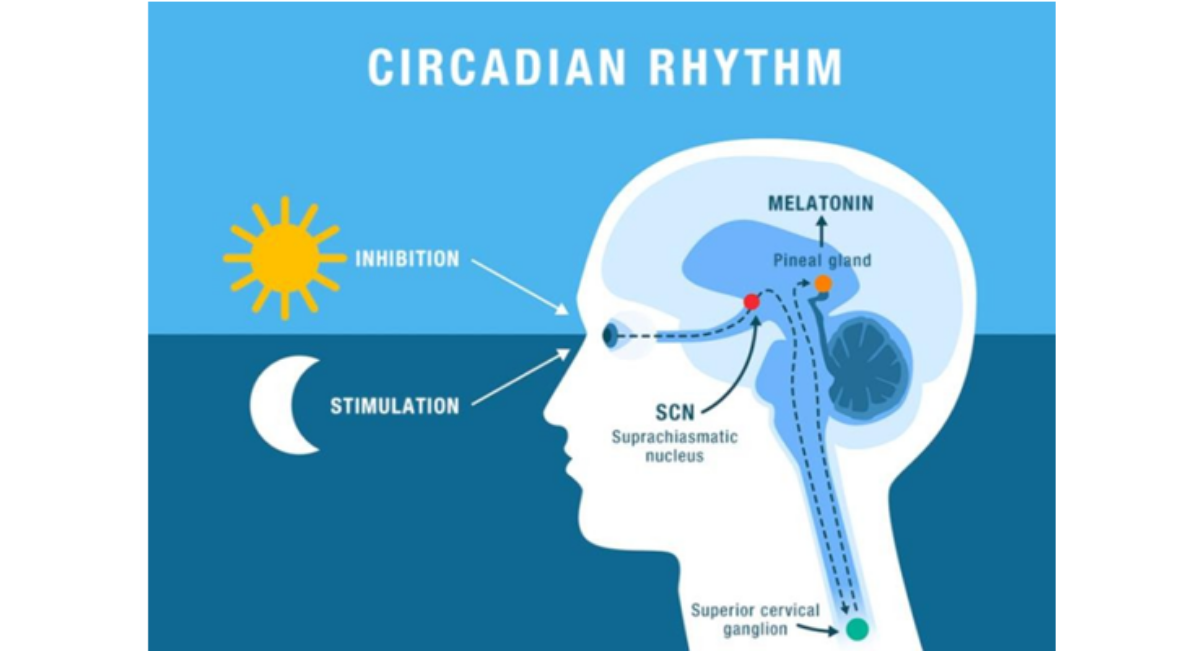
Figure 2.1: Melatonin Hormone Release Mechanism
Sleeping Pills
Classification
Sleeping pills, or hypnotic medications, are pharmacological agents prescribed to facilitate sleep onset, improve sleep continuity, or increase total sleep duration. They can be broadly classified into the following categories:
a) Benzodiazepines – Examples include temazepam, triazolam, and lorazepam.
They act by enhancing the effect of the inhibitory neurotransmitter gammaaminobutyric acid (GABA) at the GABA_A receptor, producing sedative, anxiolytic, and muscle-relaxant effects [18]. Although effective, they carry risks of tolerance, dependence, and residual sedation.
b) Non-benzodiazepine – “Z-drugs” – Including zolpidem, zaleplon, and eszopiclone. These act on benzodiazepine receptor sites but have shorter halflives and may produce fewer residual effects, although dependence and complex sleep behaviors (e.g., sleep-walking) remain concerns [19].
c) Melatonin receptor agonists – Ramelteon is a notable example, targeting MT_1 and MT_2 receptors in the suprachiasmatic nucleus to regulate circadian rhythms [20]. These are generally well-tolerated and carry a lower risk of dependence.
d) Sedating antidepressants and antipsychotics – Low-dose doxepin, trazodone, mirtazapine, and quetiapine are sometimes used off-label for insomnia, especially in patients with comorbid depression or anxiety. Their sedative effects are mediated through histamine H_1 receptor antagonism.
e) Antihistamines – Over-the-counter sleep aids like diphenhydramine and doxylamine induce sedation via histamine blockade but may cause next-day drowsiness, anticholinergic effects, and tolerance [3].
Best Treatment Options
CBT-I remains the first-line treatment for insomnia, with pharmacotherapy reserved for short-term or adjunctive use. When required, medications should be used at the lowest effective dose, for limited duration, and with safer alternatives like melatonin agonists or low-dose antidepressants preferred over benzodiazepines and Z-drugs.
Drawbacks of Sleeping Pills
Sleeping pills pose notable drawbacks, including tolerance and dependence with long-term use, next-day cognitive and motor impairment increasing accident risk, and rebound insomnia upon abrupt discontinuation [18]. Moreover, late-night screen use can counteract their sedative effects by suppressing melatonin and inducing arousal, resulting in suboptimal treatment outcomes [21].
Impact of Pills and Screen Time on Insomnia
The interaction between screen time and sleeping pill use creates a paradox in insomnia management: while hypnotics are intended to induce sleep, excessive late-night device use—through blue-light exposure and cognitive stimulation—suppresses melatonin, delays circadian rhythms, and increases arousal, thereby counteracting pharmacological effects. This paradox highlights a critical oversight in clinical practice, where patients often continue digital engagement under the assumption that medication alone will resolve their insomnia. Evidence suggests that such behavior not only diminishes treatment efficacy but also increases risks of persistent symptoms, dose escalation, and medication dependence [21]. Despite extensive research on insomnia and its treatments, few studies have examined the combined impact of screens and hypnotics, leaving a gap in understanding whether poor outcomes reflect drug limitations or behavioral confounders. Addressing this gap is essential for developing integrated protocols that pair pharmacotherapy with structured screen-time reduction, improving sleep outcomes, reducing reliance on sedatives, and fostering healthier digital habits in modern, tech-driven societies.
The significance of this study lies in its potential to influence clinical practice, patient education, public health policy, and technological innovation by highlighting the paradox between late-night screen use and reliance on sleeping pills. For healthcare providers, the findings underscore the need to assess and address patients’ screen habits before prescribing hypnotics, while evidence-based education can empower individuals to adopt healthier digital routines for improved sleep outcomes. On an institutional level, especially within the University of Sargodha, this research has the potential to improve student health and academic performance by reducing insomnia-related impairments in memory, attention, and learning [21]. Faculty and staff can also benefit through awareness campaigns that reduce sedative dependence and promote healthier digital practices. Furthermore, the study may inform policy development, support wellness programs, and enhance the university’s research reputation by addressing a contemporary public health challenge. Ultimately, by examining the interaction between screen time and sleeping pill use, this research seeks to guide interventions that improve sleep quality, treatment efficacy, and long-term outcomes.
LITERATURE REVIEW
Prolonged Screen Time and Insomnia
Hjetland executed a cross-sectional research to investigate the correlation between evening screen time consumption and insomnia, involving 49,051 Norwegian university students [22]. By applying the DSM-5 guidelines for insomnia, the researchers discovered a robust link that excessive screen use, especially before bed, was strongly linked to increased insomnia prevalence, poor sleep quality, and shorter duration of sleep. The research study emphasizes how the exposure to the blue light and cognitive stimulation from such electronic devices disrupt circadian cycles and melatonin synthesis, which in turn leads to sleep disorders.
Exelmans and Van den Bulck evaluated how the pre-sleep screen usage effect sleep among 844 individuals in Belgium [15]. By using self-report questionnaires and the Pittsburgh Sleep Quality Index, they reported that watching television and using mobile phone in bed were substantially linked with delayed sleep times and reduced overall sleep quality. According to the research, interactive screen use and exposure to light may prolong insomnia latency and exacerbate chronic sleep issues.
Harbard evaluated 11,200 Australian teenagers and stated how using electronic devices before sleep impacts sleep habits [17]. The findings of this study correlated frequent device use before bedtime hour was related to shorter sleep duration, and more trouble falling asleep. This was ascribed to both the psychological stimuli from digital data and the physiological impact of blue light radiations on melatonin reduction.
Christensen investigated the influence of evening viewing of media on sleep in 9,846 [23]. Danish people Considering self-administered sleep journals, the research came to find that extensive evening screen time was a strong indicator of delayed sleep onset, decreased sleep effectiveness and a spike in reports of insomnia. it was shown that even passive media consumption before bed could lead to long-lasting effects on circadian alignment.
Li performed a cross-sectional survey to analyze 4,572 Chinese adults with an emphasis on trouble sleeping and digital device usage [24]. The research findings showed that worse signs of insomnia have been linked to more screen time, particularly following 9 p.m. The researchers hypothesized that treatments that focused on minimizing the use of electronics at night might improve insomnia in young people.
Sleeping Pills and Insomnia
Morin through meta-analysis of clinical studies, investigated the effectiveness of the use of benzodiazepines and non-benzodiazepine hypnotics for persistent insomnia [3]. The findings stated immediate advantages in minimizing sleep latency and extended overall sleep duration. Yet, they are not recommended for long-term usage, though, since the study pointed out dangers including addiction, tolerance, and residual next-day sleepiness.
Holbrook conducted a comprehensive analysis of 45 controlled studies using benzodiazepines to treat insomnia. through this study they observed that though hypnotics enhance the onset and length of sleep, tolerance frequently leads their advantages to disappear within a few weeks [18]. Furthermore, long-term abstinence from usage also frequently leads to anxiety and recurrent sleep deprivation and stress.
Glass performed a systematic review of sedative-hypnotic use in older individuals in 2005 [25]. this revealed that despite these medications offer some enhancements in the sleep quality, in older adults, the potential danger of side effects such as memory loss, falls, and motor incoordination frequently surpasses the benefits they offer.
Krystal investigated the safety as well as effectiveness of suvorexant, an orexin receptor antagonist, in treating insomnia. Several randomized studies predicted that Suvorexant enhanced the start and persistence of sleep. Nevertheless, the medication was reported to cause tiredness throughout the day, indicating the value of cautious selection of patients.
Nowell conducted comprehensive review suggesting that non-benzodiazepine hypnotics were found to have less cognitive side effects than conventional benzodiazepines and to be usually more efficient in improving sleep quality [26]. However, potential risks of rebound insomnia and dependency remained, especially after extended use.
AIMS AND OBJECTIVES
Main Aim of the Study
- To explore the paradoxical relationship between late-night screen exposure and the use of sleeping pills in individuals with insomnia, focusing on behavioral patterns, medication use, and their combined impact on sleep quality and dependency.
Objectives of the Study
- To measure the prevalence and patterns of late-night screen use among individuals with insomnia, considering sociodemographic and lifestyle factors.
- To assess the impact of screen habits (duration, timing, type of content, and in-bed use) on sleep outcomes such as sleep onset, duration, awakenings, and overall sleep quality.
- To determine the association between screen exposure and the likelihood of self-reported and clinically diagnosed insomnia.
- To evaluate patterns of sleeping pill use, including frequency, type, source of recommendation, and perceived effectiveness.
- To investigate the role of screen exposure in influencing the effectiveness of sleep aids and its contribution to side effects or dependence.
- To explore participants’ perceptions of the long-term risks of sleeping pills and the belief that screens contribute to or worsen insomnia.
- To examine attempts and willingness to reduce screen time, use of non-medication sleep strategies, and attitudes toward behavioral change.
- To generate practical recommendations for integrating screen-time reduction with pharmacological and non-pharmacological approaches in insomnia management.
METHODOLOGY
Background
This study focuses on understanding how late-night screen use and sleeping pill consumption influence insomnia in young adults. Both behaviors are increasingly common, yet their effects on sleep may work in opposite directions—screens tend to delay sleep onset, while sleeping pills provide temporary relief but carry risks of dependency and reduced restorative sleep. Recent studies suggest that excessive evening screen time can delay melatonin secretion, while sleeping pills may temporarily improve sleep but can cause dependency and reduced natural sleep quality over time. This study investigates the combined and individual effects of screen time and sleeping pill use on insomnia severity among adults.
Study Design
Design of Study
This research uses a cross-sectional analytical design, collecting data at a single point in time to examine associations between screen time, sleeping pill use, and insomnia severity.
Type of Study
Observational, analytical, community-based survey designed study was used to identify potential risk factors and interaction effects.
Study Setting
The study was conducted online using a structured questionnaire distributed through social media platforms and messaging applications. Participants were recruited by sharing a survey link and QR code within university networks, community groups, and general adult populations in Sargodha, Pakistan. This online approach along with on-site approaches allowed wider reach, convenience for participants, and efficient data collection while maintaining anonymity and confidentiality.
Patient Eligibility and Recruitment
Inclusion Criteria
Individuals mainly young adults including both males and females who are using smartphone or digital screen for at least 3 months and able to read Urdu or English were included in the study.
Exclusion Criteria
The study ruled out individuals with severe psychiatric disorders, untreated sleep apnea, pregnancy, or cognitive impairments affecting survey participation.
Sample Size
Selection of Population
Population includes community-dwelling adults who meet the eligibility criteria.
Sample Size calculation
The sample size for this study was calculated from Cochran’s formula, using insomniac prevalence (18.5%), sleep-aid misuse (26.6%), and night-time screen use (4.2%) which were taken from previously published studies. Adjusting for absolute precision levels (±6.4% for two outcomes, ±2.9% for screen use) and a 10% non-response buffer led to a target sample of ≈202. For feasibility, the final sample was set at 200, aligning precision with logistical constraints.
Method of Sampling
Consecutive sampling will be used in physical locations, combined with convenience sampling via online recruitment (QR-code linked survey). The questionnaire is also divided by social media platforms to adults of community to collect precise data.
Study Tool
Questionnaire
A structured, self-administered questionnaire was used as the primary data collection tool. A complete copy of the questionnaire is provided in Appendix A. It was divided into four sections:
- Demographics and lifestyle factors
- Sleep quality and insomnia indicators
- Screen-time behaviors (duration, timing, content type, night mode use)
- Sleeping pill usage (frequency, type, effectiveness, dependency)
Structured Questionnaire Development
The questionnaire was developed by adapting items from two widely used and validated instrumental indices: the Pittsburgh Sleep Quality Index (PSQI) and the Insomnia Severity Index (ISI). Relevant items were selected and modified to fit the study objectives, focusing on screen-time behaviors, sleep quality, and sleeping pill use. Adaptation ensured cultural appropriateness and contextual clarity for the local population. Following standard research protocols, the questionnaire was reviewed for face and content validity by subject experts before administration.
Data Collection Procedure and Analysis
In Data were collected from adults aged 20–30 years in Sargodha, Pakistan. Participants were briefed about the study objectives, provided informed consent, and completed the questionnaire either in paper or digital format. Assistance was provided where needed to ensure accurate responses. Confidentiality was strictly maintained, and participants were thanked for their contributions. Data were entered into SPSS v22 for analysis. Descriptive statistics (mean, SD, frequencies, percentages) summarized participant characteristics. Normality of continuous variables was checked using skewness, kurtosis, and Shapiro–Wilk tests. Since most variables deviated from normality, non-parametric tests including Chi-square, Mann–Whitney U, and Kruskal–Wallis were used to examine associations. A significance level of p < 0.05 was adopted.
Validity and Reliability of Data Collection
To ensure validity, the questionnaire was developed from established instruments and adapted from prior public health surveys. The preliminary version of the tool underwent pilot testing on a small group of participants (n = 20) to assess clarity, comprehension, and cultural appropriateness of the questions. Feedback from the pilot test was incorporated to refine wording, response options, and sequencing of items. Further, a panel of experts reviewed the tool for face and content validity, ensuring that all items adequately captured the constructs under study.
Reliability of the instrument was assessed through measurement of internal consistency using Cronbach’s Alpha values. The reliability analysis demonstrated excellent internal consistency for the Sleep Quality & Insomnia scale (α = 0.91), while the Screen Habits & Sleep Impact scale (α = 0.78) and the Beliefs & Perceptions scale (α = 0.75) showed acceptable reliability. The Sleeping Pills & Dependency scale (α = 0.87) indicated good reliability. These values fall within the recommended thresholds in research protocols (α ≥ 0.70), confirming that the items within each construct consistently measured the intended domains. This evidence supports the robustness of the questionnaire for use in the main study.
RESULTS AND DISCUSSION
The present chapter presents and interprets the findings of the study on the relationship between late-night screen exposure, sleeping pill use, and insomnia among adults. The results are organized according to the major domains of the questionnaire, including demographic characteristics, sleep quality and insomnia indicators, screen-time habits, sleeping pill use and dependency, and beliefs and perceptions about sleep behaviors. Descriptive statistics are first outlined to provide an overview of the study population, followed by inferential analyses to examine associations between variables. The findings are then discussed in the light of existing literature, highlighting consistencies and divergences with previous studies. Emphasis is placed on understanding how screen-time patterns and pharmacological interventions independently and interactively contribute to insomnia, and what these patterns reveal about clinical management and public health strategies.
Test of Normality and Descriptive Statistics for Continuous Variables:
Before proceeding to inferential analyses, descriptive statistics and normality testing were performed for the continuous study variables to assess their distributional properties. Descriptive statistics provided information on the central tendency and variability of the data, while normality was assessed using the Shapiro–Wilk test supported by skewness and kurtosis values. Results indicated that all continuous variables deviated significantly from a normal distribution (p < 0.01), suggesting the need for non-parametric statistical approaches in subsequent analyses.
|
Variable |
N |
% |
Mean |
SD |
Pvalue |
Skewness |
Kurtosis |
Normality |
|
Age |
200 |
100% |
2.03 |
0.58 |
<0.01 |
1.563 |
5.243 |
Not Normal |
|
Average Sleeping Hours per Night |
200 |
100% |
2.68 |
0.756 |
<0.01 |
-1.154 |
1.322 |
Not Normal |
|
Time Taken to Fall Asleep |
200 |
100% |
2.01 |
0.964 |
<0.01 |
0.582 |
-0.682 |
Not Normal |
|
Hours Spent on Screens per Day |
200 |
100% |
3.14 |
0.886 |
<0.01 |
-0.629 |
-0.682 |
Not Normal |
|
Time Before Bed Stop Using Screens |
200 |
100% |
3.32 |
0.866 |
<0.01 |
-0.987 |
-0.178 |
Not Normal |
Table 5.1: Descriptive Statistics and Normality Checking
Interpretation
Across the sample of 200 adults, the mean age category corresponded to early adulthood (M = 2.03, SD = 0.58), reflecting the predominance of younger respondents. Participants reported an average of 2.68 (SD = 0.75) on the sleeping hours scale, indicating relatively short nightly sleep durations. The mean time taken to fall asleep was 2.01 (SD = 0.96), consistent with prolonged sleep latency among many respondents. Screen-related behaviors were also prominent: average daily screen use was high (M = 3.14, SD = 0.88), with most participants reporting screen use close to bedtime (M = 3.32, SD = 0.86). Self-reported screen addiction levels were moderate to high (M = 3.42, SD = 1.15). With respect to pharmacological interventions, sleeping pills were perceived as moderately effective (M = 3.57, SD = 0.92), though the high skewness and kurtosis suggest variability in responses. Sleep quality outcomes reflected these behavioral patterns: sleep quality after using screens was relatively poor (M = 2.28, SD = 0.79), and overall sleep quality ratings were similarly low (M = 1.91, SD = 0.89).
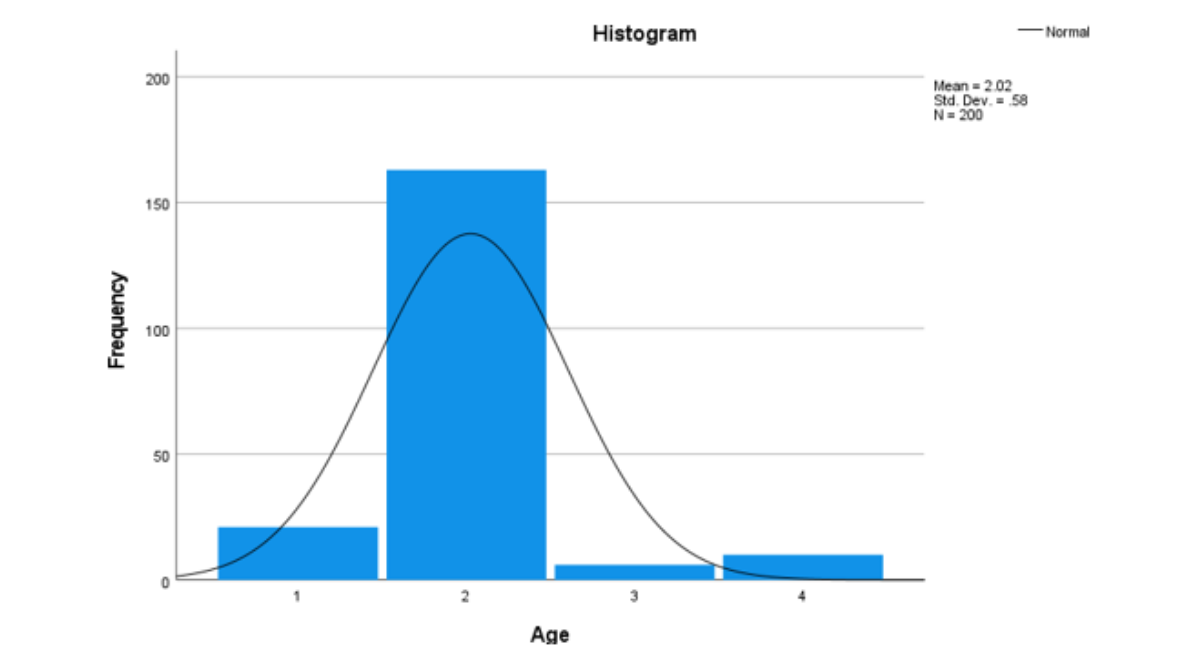
Figure 5.1: Higher Prevalence of Young Adults
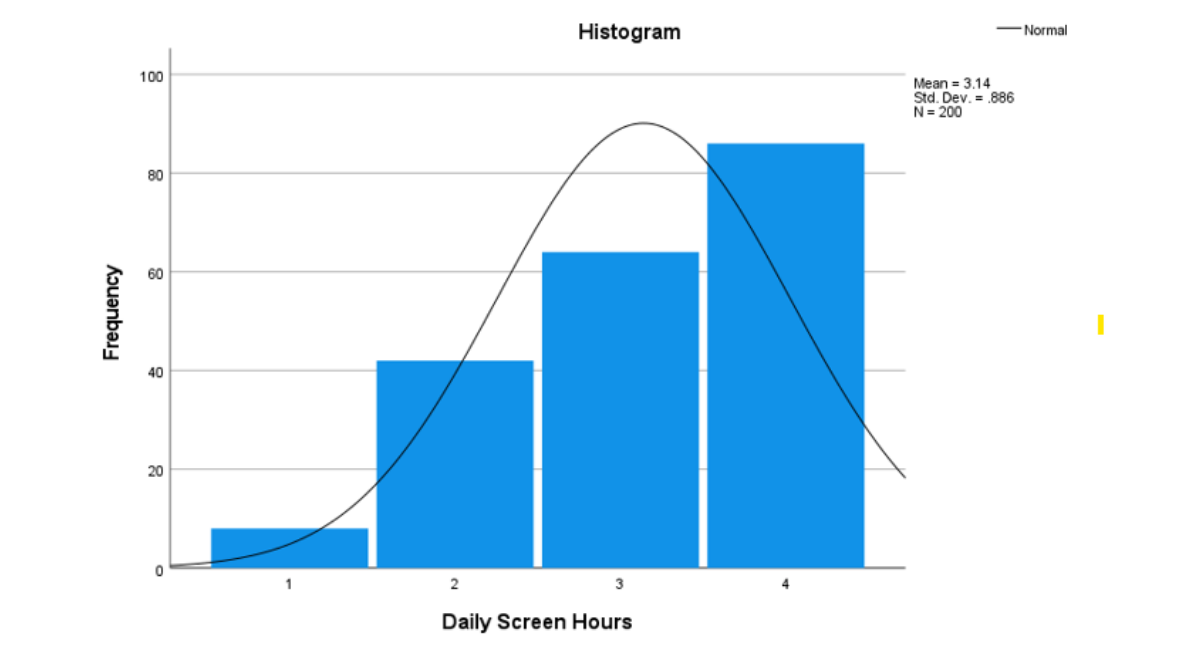
Figure 5.2: Higher Daily Screen Usage Hours
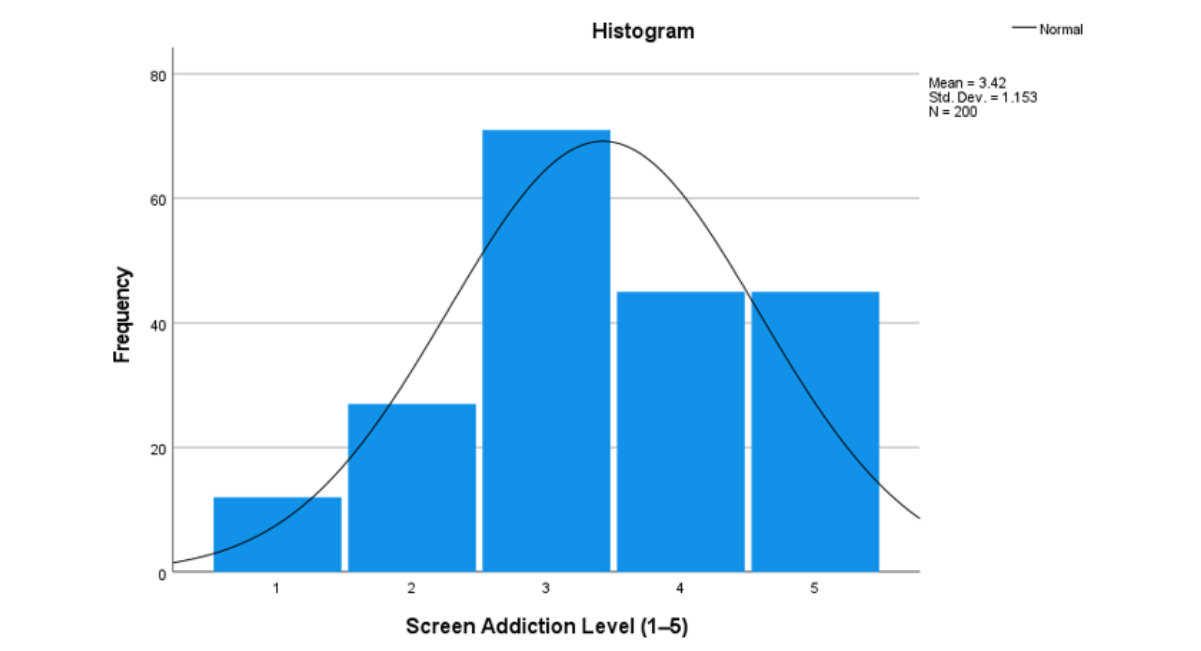
Figure 5.3: Higher Prevalence of Screen Addiction
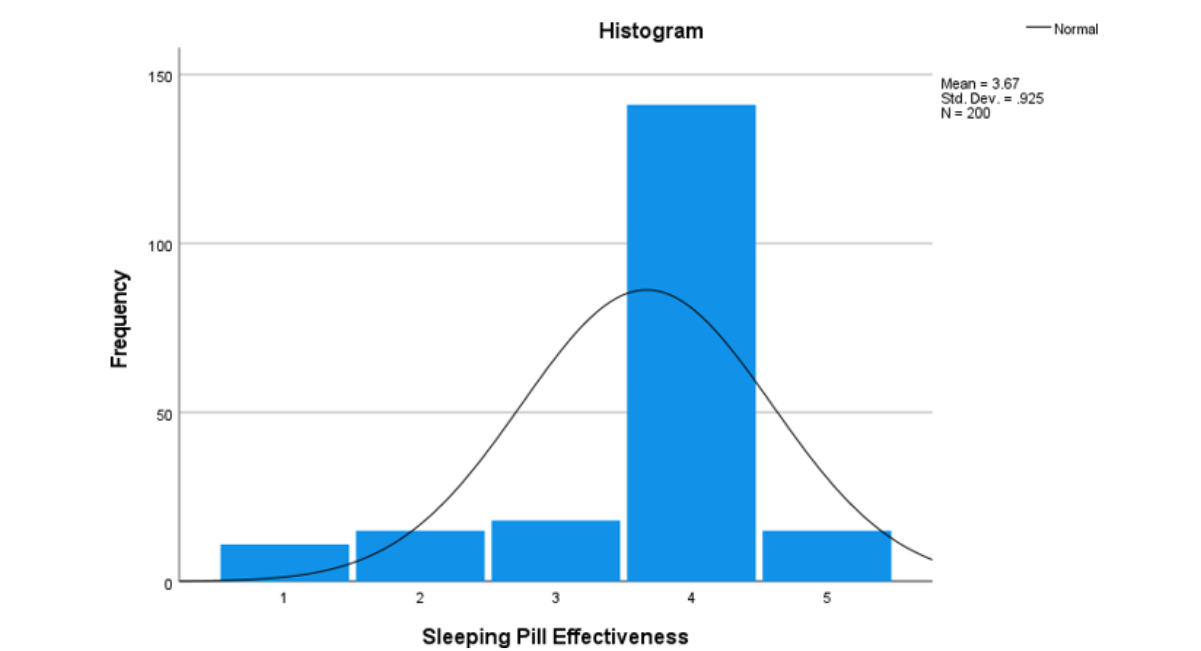
Figure 5.4: Sleeping Pills Showing Moderate Effectiveness
DISCUSSION
The predominance of younger adults in this study reflects prior findings that late adolescents and young adults are particularly vulnerable to sleep disturbances linked with digital media use [15]. Participants reported relatively short nightly sleep durations and prolonged sleep latency, consistent with global evidence that younger populations often sleep less than the recommended 7–8 hours and that evening screen exposure delays melatonin release and increases cognitive arousal. High levels of daily screen use and frequent bedtime exposure observed in this sample align with earlier research showing that screen timing and duration are associated with poorer sleep quality [13]. Self-reported screen addiction further emphasizes behavioral dependence on digital devices, consistent with the concept of problematic screen use as a growing public health issue. While sleeping pills were perceived as moderately effective, variability in responses reflects prior evidence on tolerance and dependency risks. Importantly, overall sleep quality remained poor, echoing findings that insomnia persists despite pharmacological interventions and contributes to daytime dysfunction. These results highlight the paradox that although sleep aids may provide temporary relief, their benefits are undermined by persistent screen use behaviors that continue to impair restorative sleep.
Frequency Distribution of Categorical Study Variables
The frequency distribution of categorical variables provides insight into the demographic and lifestyle profile of the study population (N = 200). These variables include gender, occupation, education level, and engagement in night-shift work, which are important contextual factors influencing both sleep patterns and health behaviors. Understanding the distribution of these characteristics allows for a more accurate interpretation of sleep-related outcomes and highlights potential subgroups at higher risk of insomnia or sleep disturbances.
|
Variable |
Category |
N |
% |
Cumulative % |
|
Gender |
Male |
118 |
59 |
59 |
|
Female |
82 |
41 |
100 |
|
|
Occupation |
Student |
151 |
75.5 |
75.5 |
|
Employee |
29 |
14.5 |
90 |
|
|
Businessman |
5 |
2.5 |
92.5 |
|
|
Other |
15 |
7.5 |
100 |
|
|
Education Level |
Intermediate |
37 |
18.5 |
18.5 |
|
Undergraduate |
129 |
64.5 |
83 |
|
|
Postgraduate |
25 |
12.5 |
95.5 |
|
|
Other |
9 |
4.5 |
100 |
|
|
Night Shift |
Yes |
36 |
18 |
18 |
|
No |
144 |
72 |
90 |
|
|
Maybe |
20 |
10 |
100 |
Table 5.2: Demographic Study Variables
Interpretation
Among the participants, males represented a larger proportion (59%) compared to females (41%). Many respondents were students (75.5%), with smaller proportions being employees (14.5%), businessmen (2.5%), or engaged in other occupations (7.5%). Education levels were skewed toward undergraduates (64.5%), followed by intermediate (18.5%) and postgraduate (12.5%) qualifications, while only 4.5% fell into the “other” category. Night-shift work, an established risk factor for disrupted circadian rhythms, was reported by 18% of participants, while 72% did not engage in night shifts and 10% were uncertain. This distribution reflects a predominantly young, educated, and student-oriented population with relatively high exposure to academic and screen-related demands, making it an appropriate group for examining the effects of screen use and sleep-aid practices on insomnia.
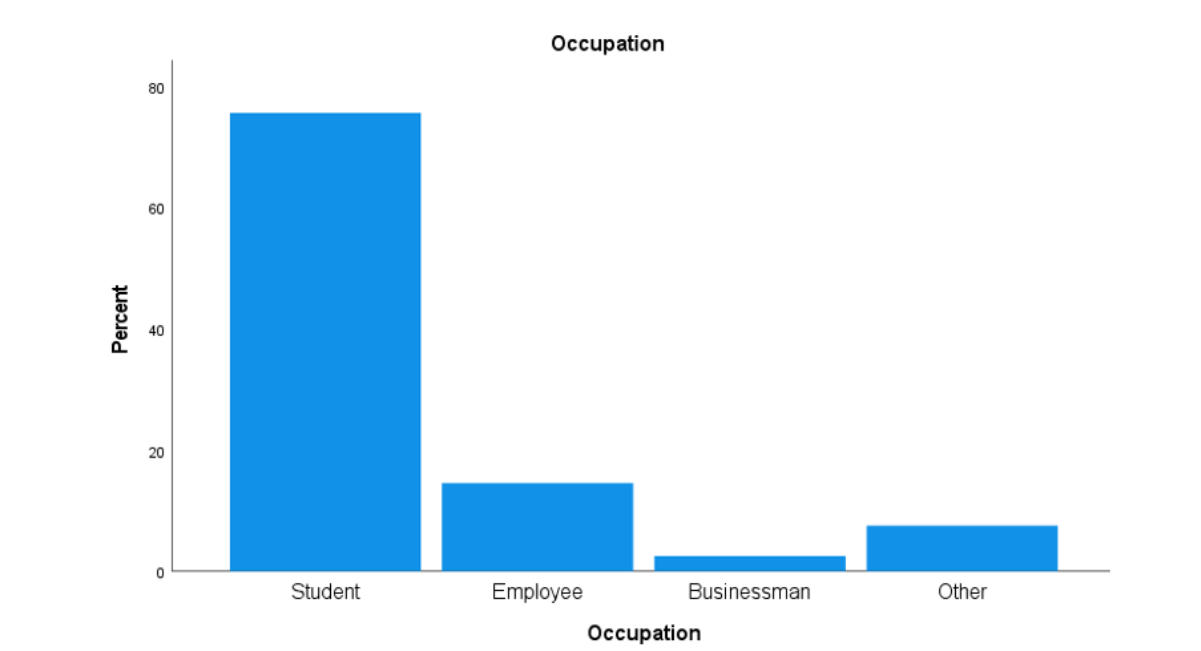
Figure 5.5: Higher Prevalence of Students
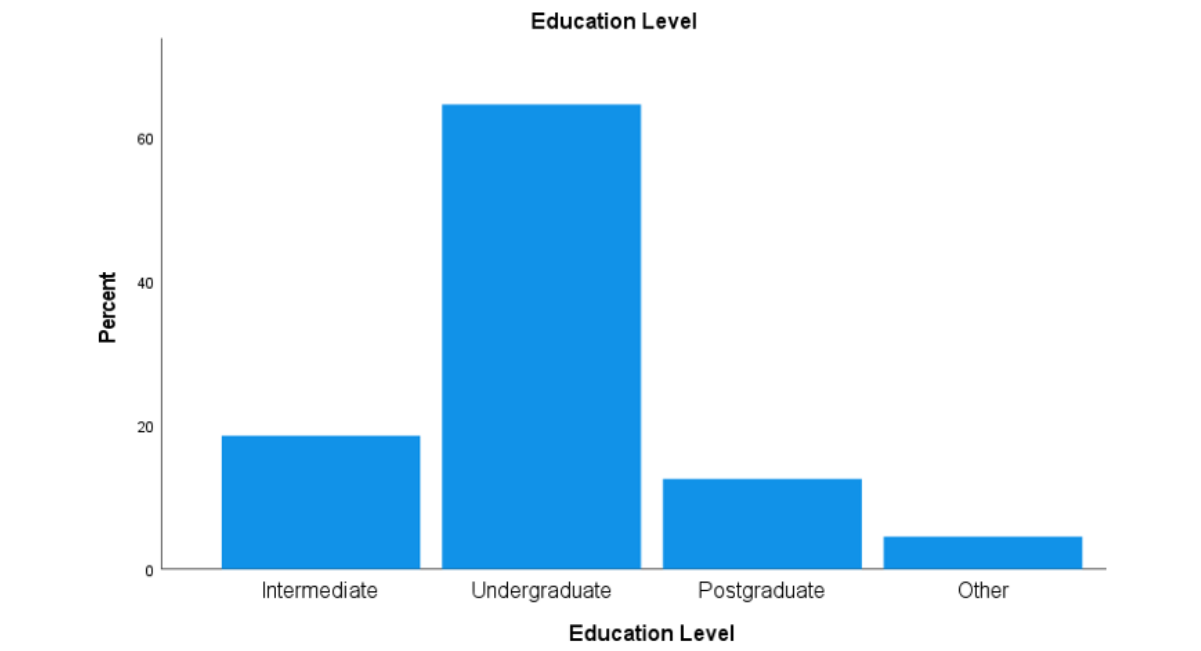
Figure 5.6: Higher Prevalence of Undergraduates
|
Variable |
Category |
N |
% |
Cumulative % |
|
Trouble Sleeping Frequency |
Never |
31 |
15.5 |
15.5 |
|
Rarely |
75 |
37.5 |
53 |
|
|
Always |
30 |
15 |
68 |
|
|
Sometimes |
64 |
32 |
100 |
|
|
Wake Ups at Night Frequency |
Never |
17 |
8.5 |
8.5 |
|
Rarely |
85 |
42.5 |
51 |
|
|
Always |
11 |
5.5 |
56.5 |
|
|
Sometimes |
87 |
43.5 |
100 |
|
|
Diagnosed with Insomnia (Healthcare Provider) |
Yes |
13 |
6.5 |
6.5 |
|
No |
187 |
93.5 |
100 |
|
|
Consistent Bed/Wake Time |
Yes |
74 |
37 |
37 |
|
No |
99 |
49.5 |
86.5 |
|
|
Maybe |
27 |
13.5 |
100 |
|
|
Feel Rested in Morning |
Yes |
93 |
46.5 |
46.5 |
|
No |
82 |
41 |
87.5 |
|
|
Maybe |
25 |
12.5 |
100 |
Table 5.3: Insomnia-Related Study Variables
Interpretation
Findings from the insomnia-related variables reveal that sleep difficulties were highly prevalent among participants. Nearly four out of five respondents reported experiencing trouble sleeping at varying frequencies, with only 15.5% indicating no such issues. Nighttime awakenings were similarly widespread, as the majority (86.5%) acknowledged experiencing them at least occasionally, underscoring the persistence of fragmented sleep in this population. Despite these patterns, only 6.5% of participants had received a formal diagnosis of insomnia from a healthcare provider, suggesting that insomnia remains largely underdiagnosed and potentially undertreated. Sleep regularity was also compromised, with just 37% maintaining consistent bed and wake times, while almost half (49.5%) admitted to irregular schedules. Importantly, fewer than half of the participants (46.5%) reported feeling rested in the morning, reflecting the functional burden of non-restorative sleep. Collectively, these findings highlight a substantial prevalence of insomnia-related symptoms among young adults, even in the absence of formal clinical recognition.
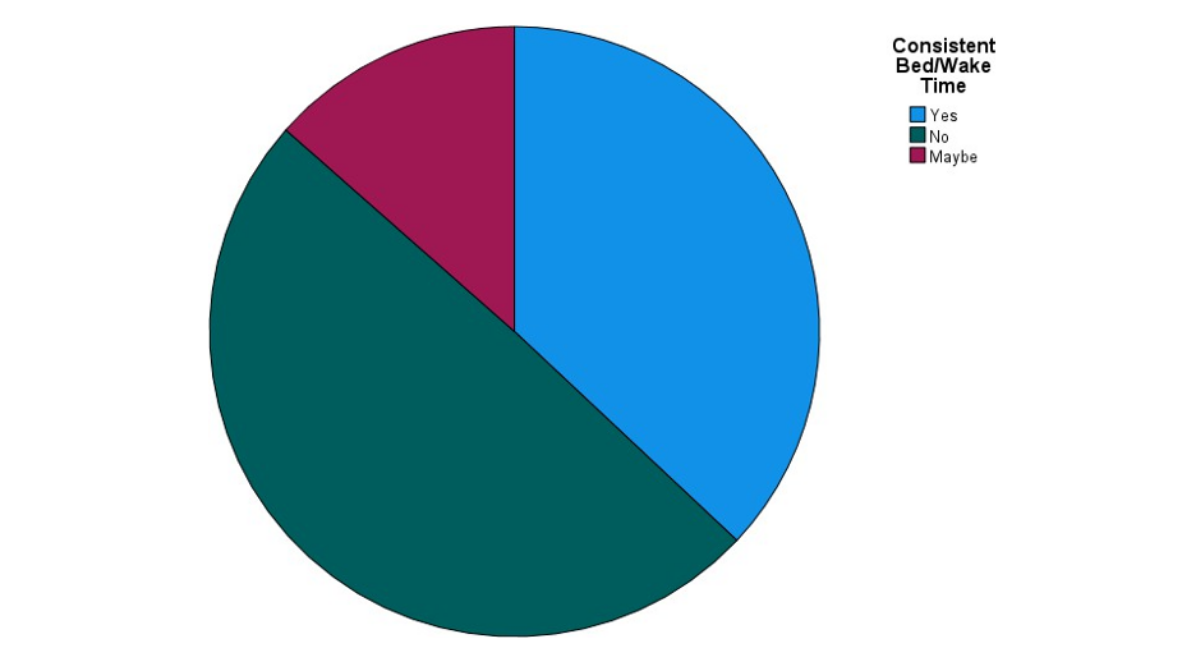
Figure 5.7: Higher Prevalence of Having Non-Consistent Sleep-Wake Time
|
Variable |
Category |
N |
% |
Cumulative % |
|
Use Devices in Bed |
Yes |
164 |
82 |
82 |
|
No |
26 |
13 |
95 |
|
|
Maybe |
10 |
5 |
100 |
|
|
Sleep Difficulty After Screens |
Yes |
102 |
51 |
51 |
|
No |
98 |
49 |
100 |
|
|
Tried Reducing Screen Time |
Strongly Disagree |
11 |
5.5 |
5.5 |
|
Disagree |
19 |
9.5 |
15 |
|
|
Neutral |
57 |
28.5 |
43.5 |
|
|
Agree |
90 |
45 |
88.5 |
|
|
Strongly Agree |
23 |
11.5 |
100 |
|
|
Use Blue Light Filter/Night Mode |
Yes |
115 |
57.5 |
57.5 |
|
No |
85 |
42.5 |
100 |
|
|
Screen Time Contributes to Insomnia |
Yes |
77 |
38.5 |
38.5 |
|
No |
63 |
31.5 |
70 |
|
|
Not Sure |
60 |
30 |
100 |
Table 5.4: Screen Time-Related Study Variables
Interpretation
Screen-related behaviors were highly prevalent in the study population. A large majority of participants (82%) reported using digital devices in bed, reflecting the widespread integration of screen use into pre-sleep routines. Just over half of respondents (51%) acknowledged having trouble falling asleep after screen exposure, while the remainder (49%) did not perceive such an effect, indicating individual variability in screen sensitivity. Efforts to manage screen use were evident, as nearly half of the participants (45%) agreed and 11.5% strongly agreed that they had tried to reduce screen time before bed, although a notable portion (28.5%) remained neutral, and 15% actively disagreed, suggesting limited motivation or perceived benefit in screen-time reduction strategies.
In terms of protective behaviors, more than half (57.5%) reported using blue light filters or night mode settings on their devices, while 42.5% did not, highlighting a partial adoption of digital sleep hygiene practices. When asked about the role of screen time in contributing to insomnia, 38.5% of participants agreed that screens worsened their sleep, whereas 31.5% denied any connection, and 30% were uncertain. This distribution underscores a divided perception within the population, where many recognize the negative effects of screens on sleep, yet a substantial proportion either dismiss or remain unsure of this relationship. Collectively, these findings reveal that while late-night screen use is highly prevalent, awareness and behavioral adjustments to mitigate its impact remain inconsistent, potentially sustaining the burden of insomnia symptoms among young adults.
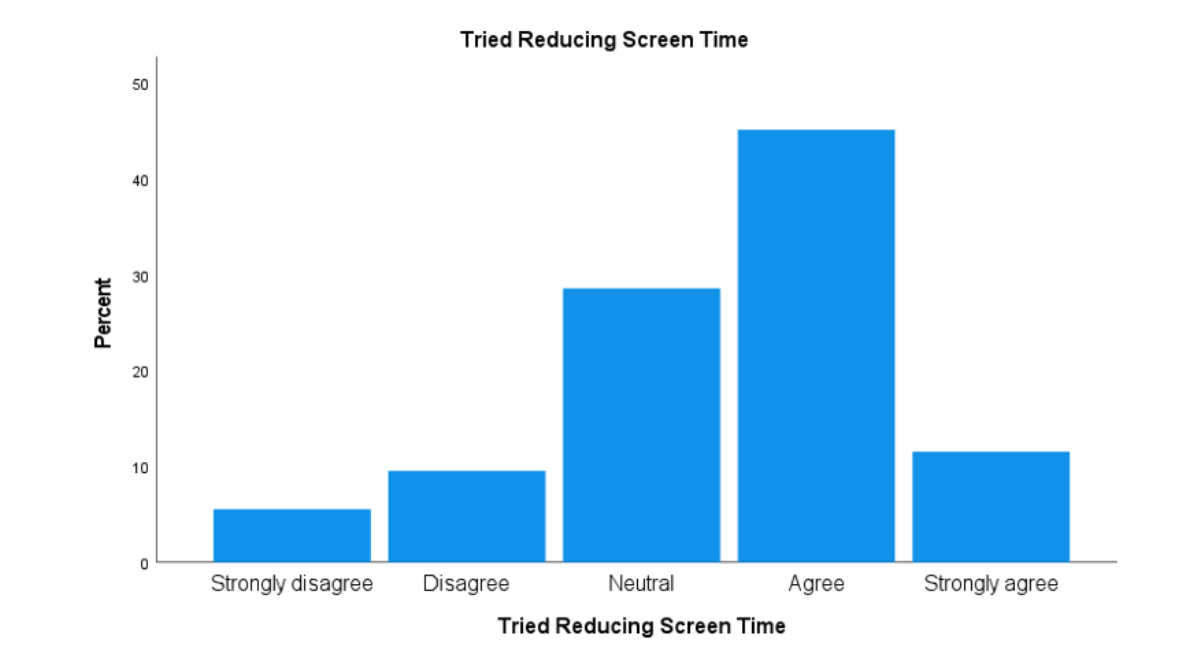
Figure 5.8: Higher Prevalence of Trying to Reduce Screen Time
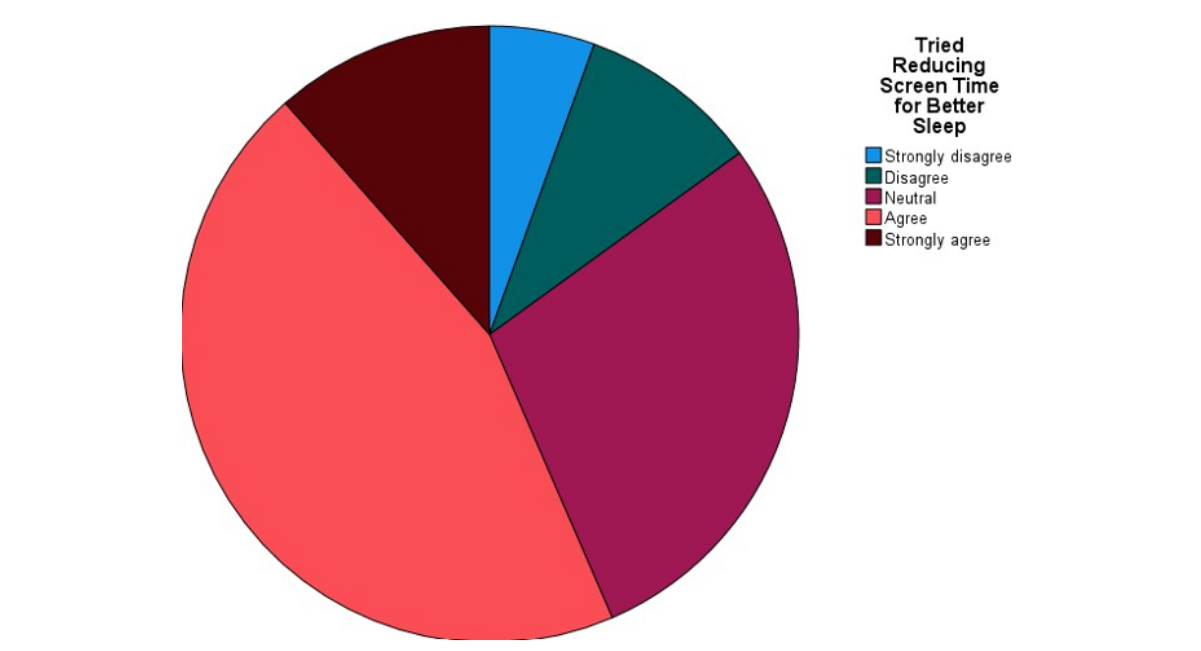
Figure 5.9: Higher Prevalence of Trying to Reduce Screen Time (Pie Chart)
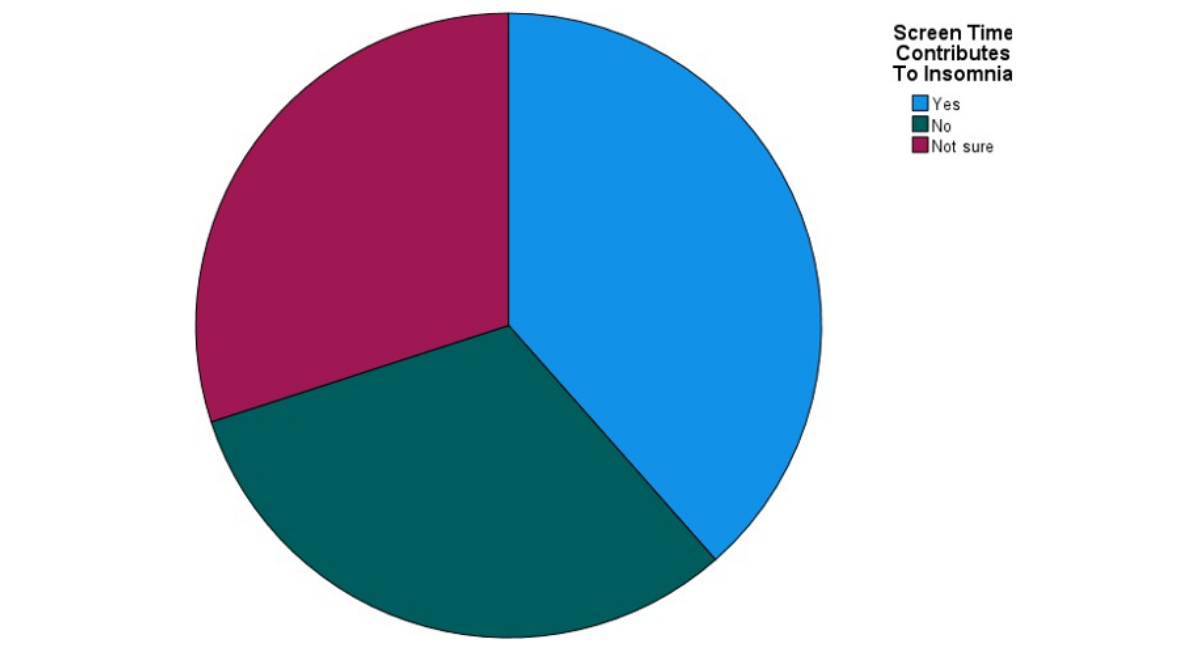
Figure 5.10: Higher Prevalence of Trying to Reduce Screen Time (Pie Chart)
|
Variable |
Category |
N |
% |
Cumulative % |
|
Ever Used Sleeping Pills/Aids |
Yes |
45 |
22.5 |
22.5 |
|
No |
155 |
77.5 |
100 |
|
|
Currently Using Sleeping Pills/Aids |
Yes |
26 |
13 |
13 |
|
No |
174 |
87 |
100 |
|
|
Sleeping Pill Use Frequency |
Never |
145 |
72.5 |
72.5 |
|
Rarely |
21 |
10.5 |
83 |
|
|
Occasionally |
9 |
4.5 |
87.5 |
|
|
Weekly |
21 |
10.5 |
98 |
|
|
Daily |
4 |
2 |
100 |
|
|
Type of Sleeping Aid |
Prescription |
18 |
9 |
9 |
|
Herbal |
4 |
2 |
11 |
|
|
OTC |
25 |
12.5 |
23.5 |
|
|
None |
153 |
76.5 |
100 |
|
|
Sleeping Aid Recommended By |
Doctor |
18 |
9 |
9 |
|
Pharmacist |
11 |
5.5 |
14.5 |
|
|
Self |
19 |
9.5 |
24 |
|
|
None |
145 |
72.5 |
96.5 |
|
|
Family/Friend |
7 |
3.5 |
100 |
|
|
Side Effects from Pills |
Yes |
30 |
15 |
15 |
|
No |
170 |
85 |
100 |
|
|
Developed Dependency |
Yes |
29 |
14.5 |
14.5 |
|
No |
171 |
85.5 |
100 |
Table 5.5: Sleeping Pill-Related Variables
Interpretation
The findings related to sleeping pill use show that while pharmacological aids were not widely prevalent, they were still a significant part of sleep management for a subset of participants. Nearly one-fourth of respondents (22.5%) reported having used sleeping pills or aids at some point, but only 13% were currently using them. Frequency of use varied, with most participants (72.5%) reporting that they never used such aids, while 10.5% used them rarely, 4.5% occasionally, 10.5% weekly, and 2% daily, suggesting that for some individuals these medications are integrated into regular sleep routines.
In terms of type, 12.5% of respondents reported over the counter (OTC) sleep aid use, 9% used prescription medications, and 2% relied on herbal preparations, while the majority (76.5%) reported no use. Recommendations came primarily from doctors (9%) and pharmacists (5.5%), though 9.5% reported self-prescribing, and 3.5% relied on family or friends, highlighting varying degrees of professional involvement in medication decisions. Importantly, 15% of respondents reported experiencing side effects from sleeping pill use, and 14.5% acknowledged developing dependency, while the majority denied these issues. These findings suggest that although sleeping pill use is not widespread, a notable minority of young adults in this population engage in pharmacological sleep management, with some experiencing adverse outcomes such as side effects and dependency.
|
Variable |
Category |
N |
% |
Cumulative % |
|
Pills as Long-Term Solution |
Yes |
5 |
2.5 |
2.5 |
|
No |
195 |
97.5 |
100 |
|
|
Aware of Long-Term Pill Risks |
Yes |
107 |
53.5 |
53.5 |
|
No |
93 |
46.5 |
100 |
|
|
Reason for Night Screen Use |
Habit/Entertainment |
87 |
43.5 |
43.5 |
|
Work/Study Requirements |
44 |
22 |
65.5 |
|
|
Stress |
42 |
21 |
86.5 |
|
|
Unaware of Its Impact |
27 |
13.5 |
100 |
|
|
Main Cause of Insomnia (Self-Opinion) |
Excessive Screen Time |
66 |
33 |
33 |
|
Stress/Anxiety |
72 |
36 |
69 |
|
|
Irregular Sleep Schedule |
46 |
23 |
92 |
|
|
Medical/Physical Issues |
16 |
8 |
100 |
|
|
Willing Change to Improve Sleep |
Reduce Screen Time |
115 |
57.5 |
57.5 |
|
Reduce Sleeping Pill Use |
24 |
12 |
69.5 |
|
|
Improve Sleep Hygiene |
42 |
21 |
90.5 |
|
|
Consult a Professional Sleep Therapist |
19 |
9.5 |
100 |
Table 5.6: Perceptions and Beliefs
Interpretation
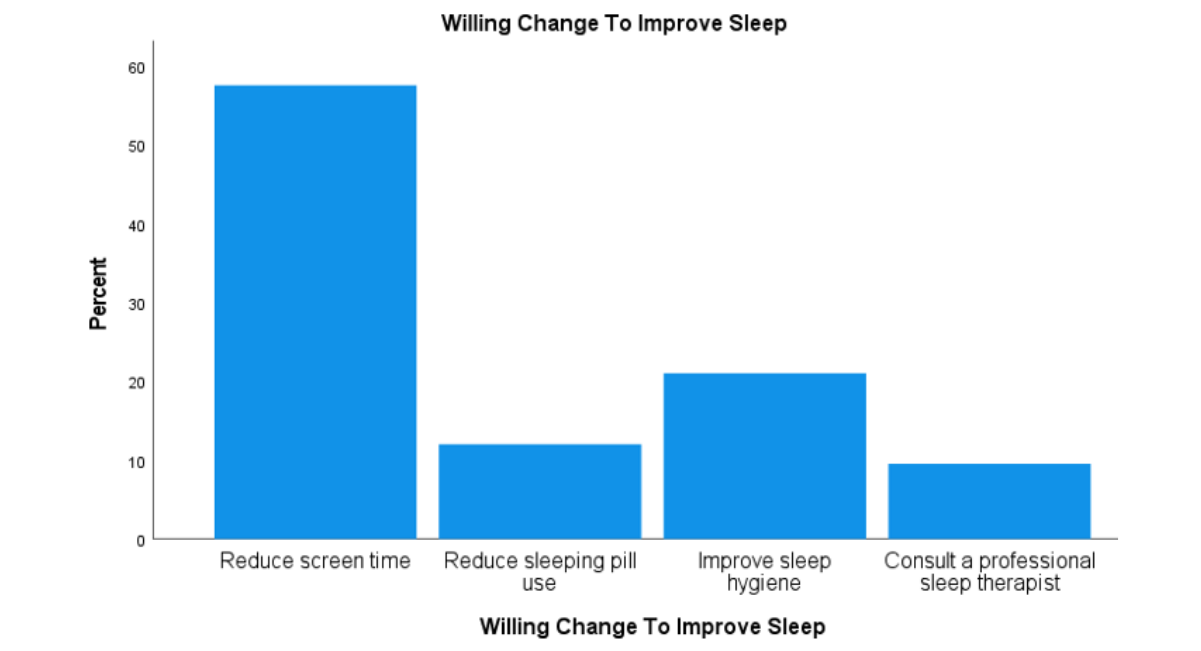
Participants’ beliefs about sleeping pills and screen use revealed important perceptions influencing insomnia management. Almost all respondents (97.5%) disagreed that pills could serve as a long-term solution, showing widespread awareness of the limitations of pharmacological sleep aids. Awareness of long-term risks, however, was mixed—53.5% reported being informed, while 46.5% lacked knowledge about potential harms, highlighting a gap in health literacy on sleep medication. Night-time screen use was largely driven by habit and entertainment (43.5%), followed by academic or work demands (22%), stress management (21%), and a smaller portion (13.5%) who were unaware of its impact, emphasizing both lifestyle and psychological factors behind device use. When asked about the main perceived cause of their insomnia, 36% attributed it to stress and anxiety, 33% to excessive screen time, 23% to irregular sleep schedules, and 8% to medical or physical issues, reflecting a multifactorial understanding of sleep disruption among participants. Encouragingly, more than half (57.5%) expressed willingness to reduce screen time as a strategy to improve sleep, while others indicated readiness to reduce pill use (12%), adopt better sleep hygiene (21%), or consult a professional therapist (9.5%). Collectively, these findings suggest that although participants recognize both behavioral and psychological contributors to insomnia, there is stronger motivation to address screen-related habits compared to pharmacological reliance, aligning with the core paradox this study investigates.
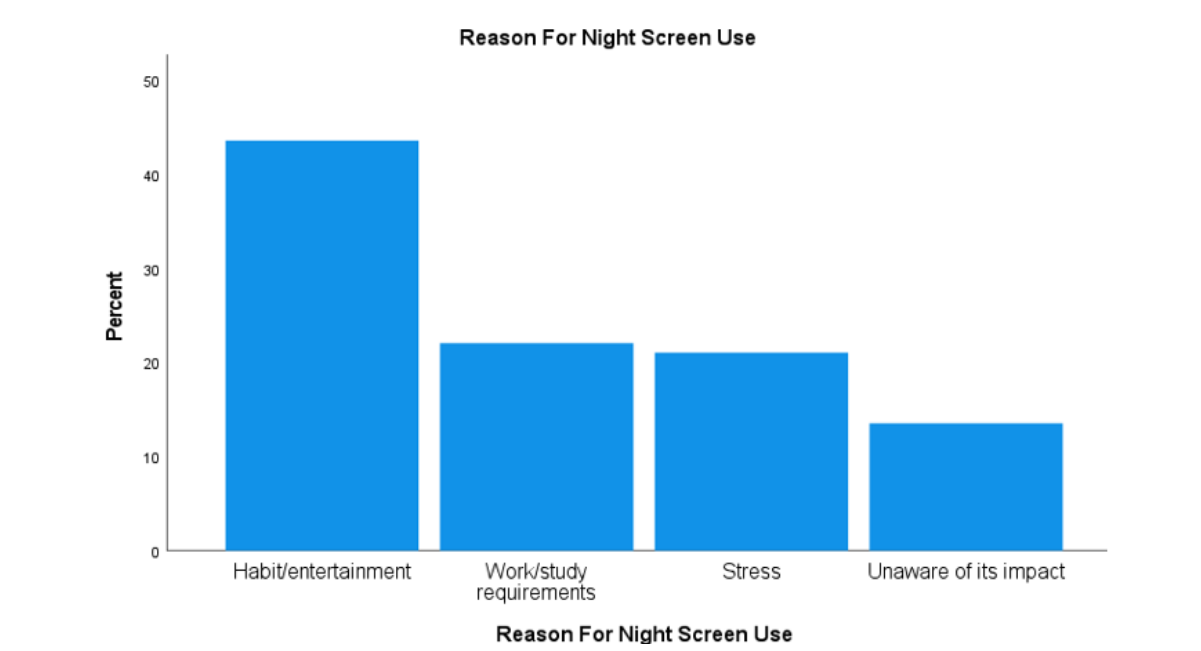
Figure 5.11: Higher Prevalence of Habit/Entertainment at Night Screen Usage
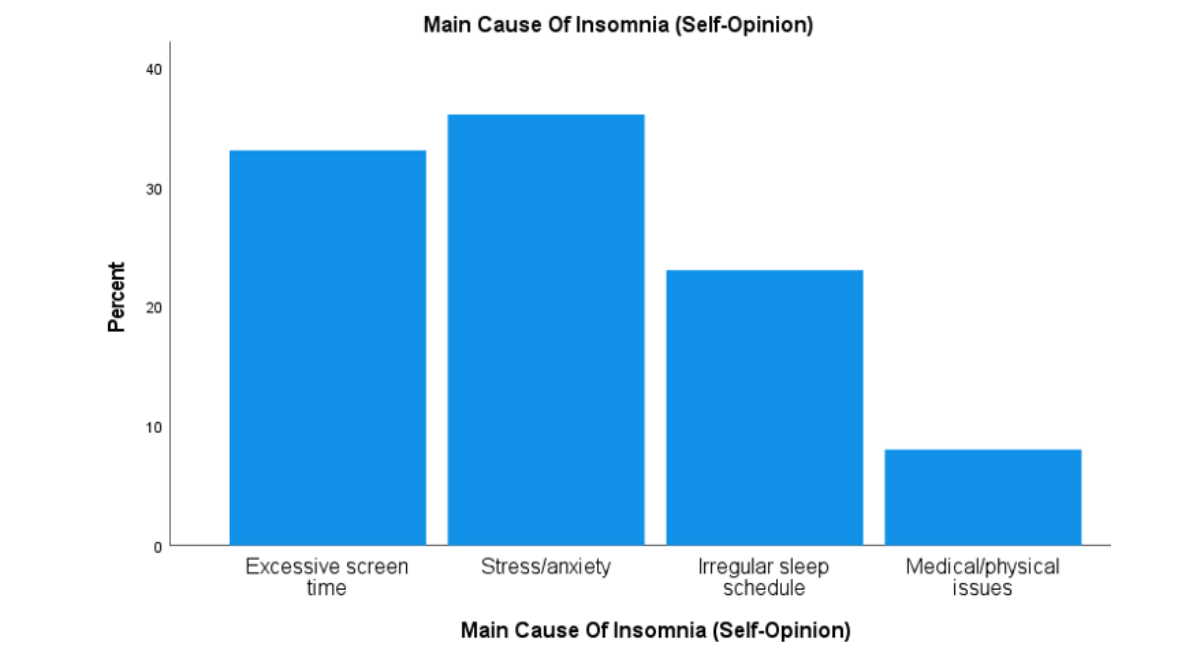
Figure 5.12: Prevalence Of Main Cause of Insomnia
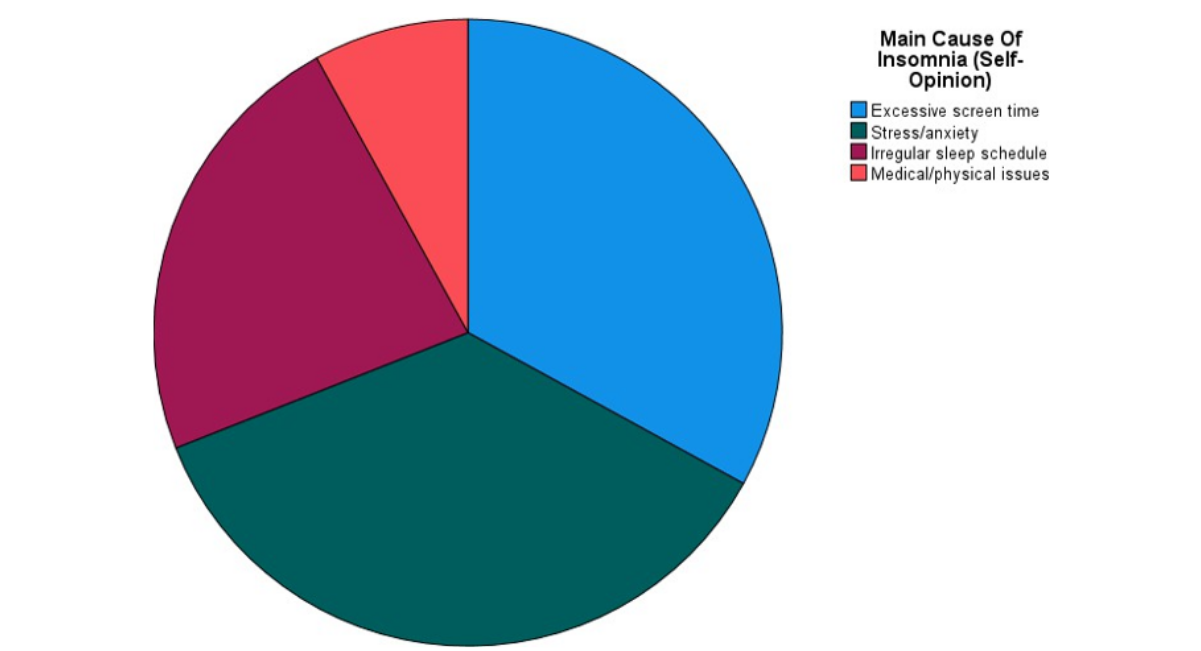
Figure 5.13: Prevalence of Main Cause of Insomnia (Pie Chart)
DISCUSSION
The demographic profile of this study revealed a predominance of young adults, with the majority being undergraduate students and a slightly higher representation of males. This reflects the fact that young adults, especially university students, are more engaged with digital technologies and therefore more vulnerable to screen-related sleep disturbances. Prior studies similarly highlight those students frequently exhibit irregular sleep patterns due to academic pressures, social media engagement, and lifestyle habits, leading to increased prevalence of insomnia symptoms. Male dominance in participation is consistent with regional studies where men are often more accessible and willing respondents in health surveys. Furthermore, a substantial minority (18%) reported working night shifts, a factor that is strongly linked with circadian rhythm disruption and poor sleep quality, consistent with global findings on shift work and sleep health. Collectively, these demographics suggest that our sample represents a high-risk population for insomnia, shaped by both lifestyle and occupational exposures.
Insomnia-related findings indicated that most participants reported trouble initiating or maintaining sleep, yet only a small fraction had received a formal diagnosis from a healthcare provider. This discrepancy reflects the broader problem of underdiagnosis and underreporting of insomnia, a trend observed in multiple epidemiological studies where subjective sleep complaints are more common than clinically confirmed diagnoses [3,5]. Fragmented sleep, irregular sleep schedules, and a low proportion of participants feeling rested in the morning further underscore the burden of non-restorative sleep-in young adults. Prior research suggests that irregular bed and wake times are particularly harmful to circadian alignment, leading to poor sleep efficiency and daytime fatigue [10]. These findings position insomnia as both a clinical and functional concern in this population, warranting greater emphasis on early recognition and behavioral interventions.
Although only a minority of participants reported current sleeping pill use, the patterns identified highlight significant clinical and public health concerns. Use of over-the-counter sleep aids was slightly more common than prescription medications, raising concerns about unsupervised consumption. This trend mirrors global findings where self-medication with sleep aids is prevalent, particularly among younger adults who may not seek medical consultation. Importantly, nearly 15% of respondents reported experiencing side effects and a similar proportion acknowledged dependency, echoing concerns raised in the literature about the risks of tolerance, misuse, and withdrawal associated with long-term hypnotic use. While most participants denied seeing pills as a sustainable solution, the presence of even a small dependent subgroup suggests that pharmacological reliance persists despite awareness of risks. These findings reinforce the need to integrate educational efforts and non-pharmacological therapies such as cognitive-behavioral therapy for insomnia (CBT-I), which have shown superior long-term efficacy.
The perceptions and beliefs of participants provide critical insight into how insomnia is understood and managed at the individual level. A majority recognized stress and screen use as key contributors to their sleep problems, consistent with earlier studies linking psychosocial stress and electronic device use with insomnia symptoms. While more than half of the participants expressed willingness to reduce screen time to improve sleep, fewer were inclined to reduce pill use or seek professional help, indicating that behavioral changes are perceived as more accessible than medical consultation. Awareness of long-term risks of sleeping pills was moderate, yet nearly half of the sample remained uninformed, reflecting the knowledge gaps reported in other community-based surveys [3]. Encouragingly, many participants acknowledged lifestyle contributors and expressed motivation to adopt healthier sleep behaviors, which suggests that interventions emphasizing sleep hygiene and screen-time reduction may resonate strongly with this demographic.
Chi-Square Test for Interpreting Associations among Different Variables
To further explore the relationships between insomnia-related symptoms, screen behaviors, and sleeping pill practices, Chi-Square tests of independence were conducted. This statistical test is particularly useful for examining associations between categorical variables, providing insight into whether patterns in one variable are systematically related to patterns in another. Alongside chi-square values and p-levels, Cramer’s V was used to assess the strength of associations. The analysis revealed both significant and non-significant relationships, highlighting how certain behavioral and pharmacological factors interact with insomnia outcomes within the study population.
|
Domain / Variable Pair |
Chi-Square Value (χ²) |
Degrees of Freedom (df) |
p-value |
Cramer’s V |
Significance Interpretation |
|
Diagnosed Insomnia (HC Provider) vs. Screen Use Before Bed |
5.695 |
3 |
0.127 |
0.169 |
No significant association |
|
Diagnosed Insomnia vs. Night-Time Content Type |
1.447 |
3 |
0.695 |
0.085 |
No significant association |
|
Diagnosed Insomnia vs. Screen Addiction Level (1–5) |
1.915 |
4 |
0.751 |
0.098 |
No significant association |
|
Diagnosed Insomnia vs. Sleeping Pill Use Frequency |
44.441 |
4 |
<0.001 |
0.471 |
Significant – strong association |
|
Trouble Sleeping Frequency vs. Screen Use Before Bed |
27.573 |
9 |
0.001 |
0.263 |
Significant – moderate association |
|
Trouble Sleeping Frequency vs. Night-Time Content Type |
8.773 |
9 |
0.459 |
0.148 |
No significant association |
|
Trouble Sleeping Frequency vs. Screen Addiction Level (1–5) |
28.864 |
12 |
0.004 |
0.269 |
Significant – moderate association |
|
Trouble Sleeping Frequency vs. Sleeping Pill Use Frequency |
24.288 |
12 |
0.019 |
0.246 |
Significant – small to moderate association |
|
Wake Ups at Night Frequency vs. Screen Use Before Bed |
32.136 |
9 |
<0.001 |
0.284 |
Significant – moderate association |
|
Wake Ups at Night Frequency vs. Night-Time Content Type |
8.542 |
9 |
0.481 |
0.146 |
No significant association |
|
Wake Ups at Night Frequency vs. Screen Addiction Level (1–5) |
23.614 |
12 |
0.023 |
0.243 |
Significant – small to moderate association |
|
Wake Ups at Night Frequency vs. Sleeping Pill Use Frequency |
22.740 |
12 |
0.030 |
0.239 |
Significant – small to moderate association |
|
Feel Rested in Morning vs. Screen Use Before Bed |
18.939 |
6 |
0.004 |
0.217 |
Significant – small to moderate association |
|
Feel Rested in Morning vs. Night-Time Content Type |
14.293 |
6 |
0.027 |
0.189 |
Significant – small association |
|
Feel Rested in Morning vs. Screen Addiction Level (1–5) |
18.742 |
8 |
0.016 |
0.217 |
Significant – small to moderate association |
|
Feel Rested in Morning vs. Sleeping Pill Use Frequency |
36.981 |
8 |
<0.001 |
0.304 |
Significant – moderate association |
Interpretation
The chi-square analyses provide important insights into how insomnia symptoms interact with both screen use behaviors and sleeping pill practices. Notably, a strong and statistically significant association was found between clinically diagnosed insomnia and sleeping pill use frequency (χ² = 44.44, p < .001, V = 0.471), confirming that individuals diagnosed with insomnia were far more likely to rely on sleep medications. This finding highlights a clear treatment pathway where pharmacological solutions are sought after diagnosis, but it also raises concerns about dependency and long-term reliance.
For subjective sleep complaints, trouble sleeping frequency was significantly associated with both screen use before bed (χ² = 27.57, p = .001, V = 0.263) and screen addiction level (χ² = 28.86, p = 004, V = 0.269), with moderate associations in both cases. This indicates that heavier or later-night screen use is linked with increased sleep initiation problems, supporting the hypothesis that screen exposure exacerbates insomnia symptoms. Additionally, trouble sleeping was also linked with sleeping pill use frequency (χ² = 24.29, p = .019, V = 0.246), though with a smaller effect, suggesting that those experiencing persistent difficulties may resort to pharmacological aids.
Similar patterns emerged with night-time awakenings, which showed significant associations with screen use before bed (χ² = 32.14, p < .001, V = 0.284), screen addiction levels (χ² = 23.61, p = 023, V = 0.243), and sleeping pill frequency (χ² = 22.74, p = .030, V = 0.239). These moderate to small associations highlight that both behavioral (screen exposure) and pharmacological (pill use) factors contribute to fragmented sleep, with screen-related behaviors playing a particularly consistent role.
Finally, feeling rested in the morning was also significantly related to all three domains: screen use before bed (χ² = 18.94, p = .004, V = 0.217), content type viewed at night (χ² = 14.29, p = .027, V = 0.189), screen addiction level (χ² = 18.74, p = .016, V = 0.217), and sleeping pill use frequency (χ² = 36.98, p < .001, V = 0.304). These findings suggest that both screen-related habits and reliance on pills impact subjective restfulness, with moderate effect sizes for pill use frequency and smaller but meaningful effects for screen behaviors.
Taken together, these results provide strong empirical support for the “screen time–sleeping pill paradox” central to this study: while late-night screen use disrupts sleep and contributes to insomnia complaints, the reliance on sleeping pills to mitigate these issues creates an overlapping cycle of behavioral and pharmacological risks. This paradox highlights the dual burden faced by individuals—on one hand, behavioral habits such as excessive screen exposure before bedtime interfere with natural sleep regulation, and on the other hand, pharmacological dependence introduces its own set of challenges, including side effects, reduced sleep quality, and potential long-term health risks. The findings suggest that addressing insomnia effectively requires more than symptom relief through medication; instead, a comprehensive approach that incorporates lifestyle modification, screen hygiene, and non-pharmacological therapies may be necessary. By drawing attention to these interrelated patterns, the study not only adds to the growing body of evidence linking digital behavior with sleep health but also emphasizes the importance of promoting sustainable strategies for managing insomnia in modern, technology-driven societies.
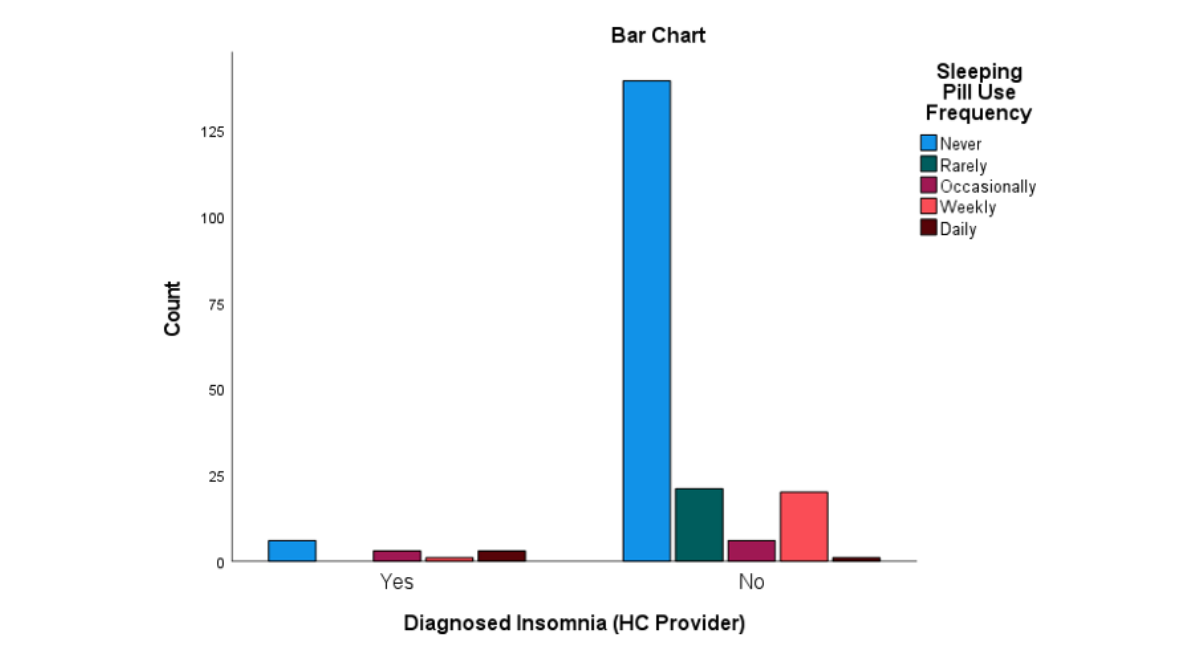
Figure 5.15: Relationship Between Insomnia and Sleeping Pill Usage
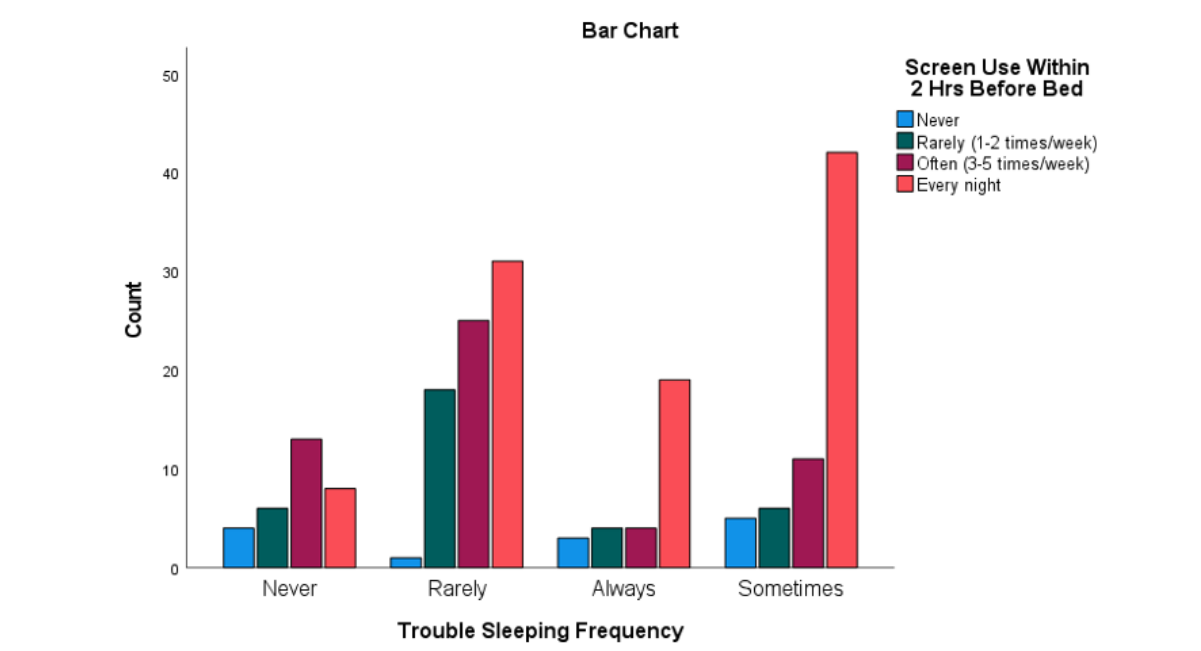
Figure 5.16: Relationship Between Trouble Sleeping Frequency And Screen Usage Before Bedtime
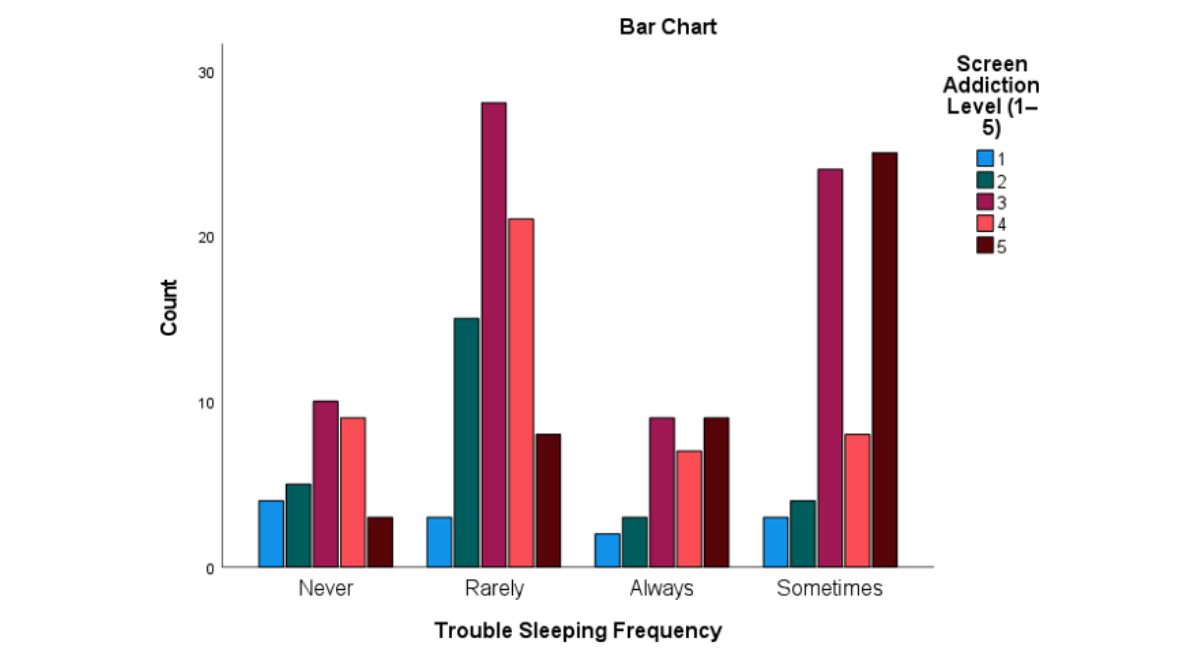
Figure 5.17: Relationship Between Trouble Sleeping Frequency and Screen Addiction Level
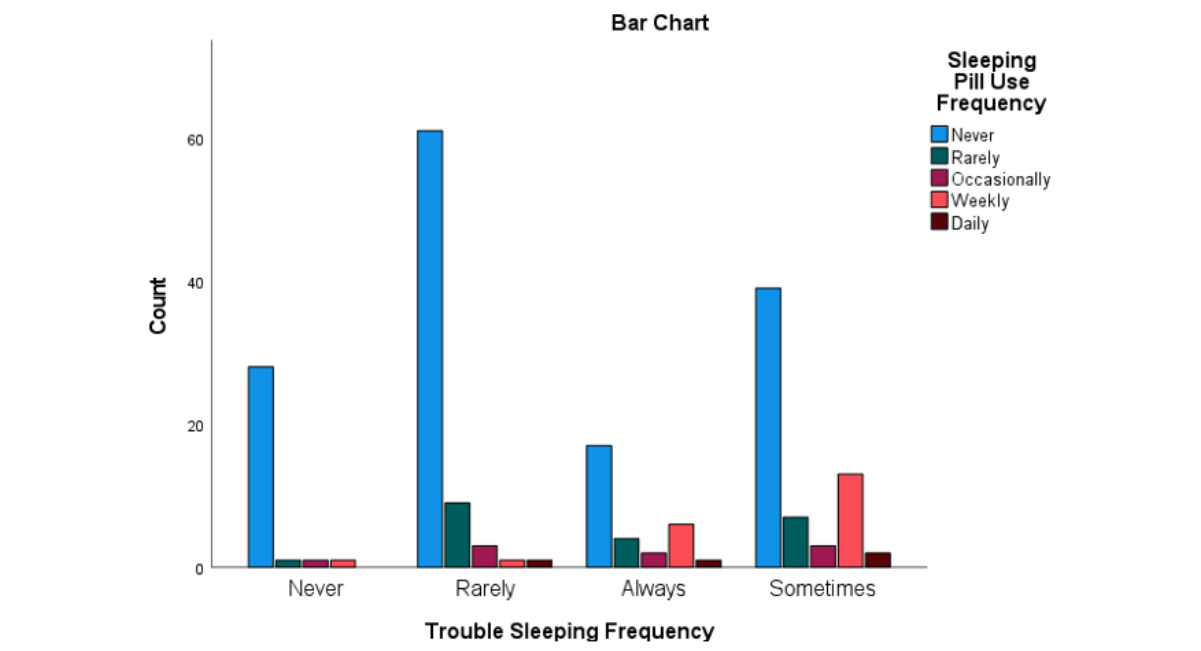
Figure 5.18: Relationship Between Trouble Sleeping Frequency and Sleeping Pill Use Frequency
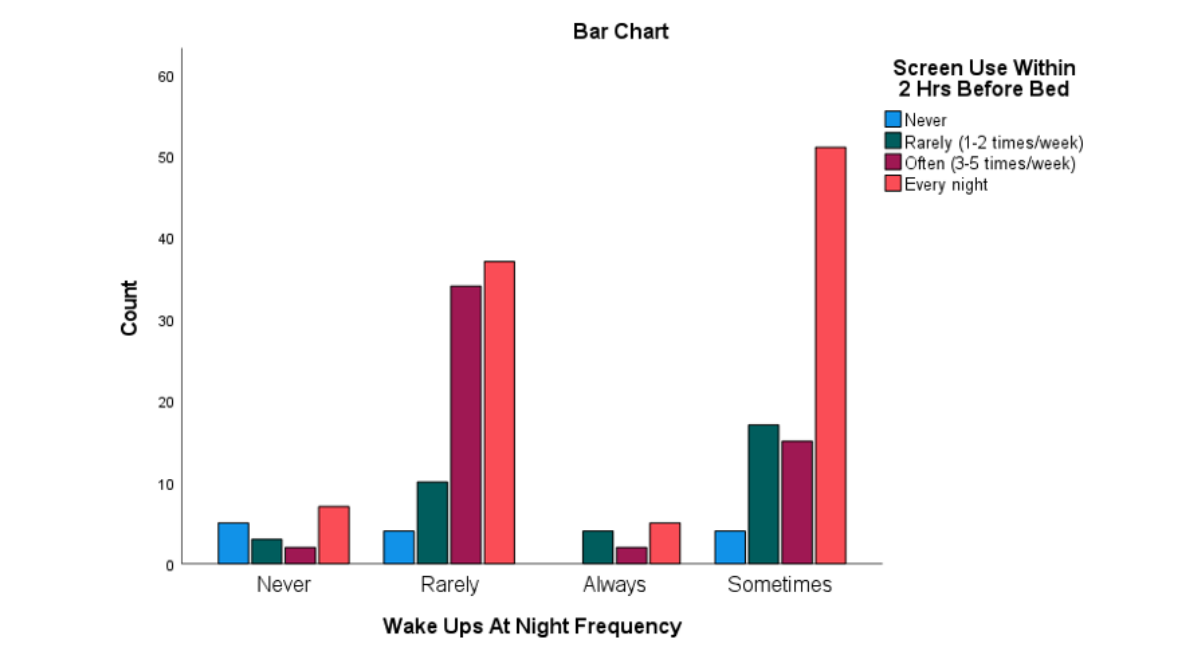
Figure 5.19: Relationship Between Night Wake Ups Frequency and Screen Usage Before Bed
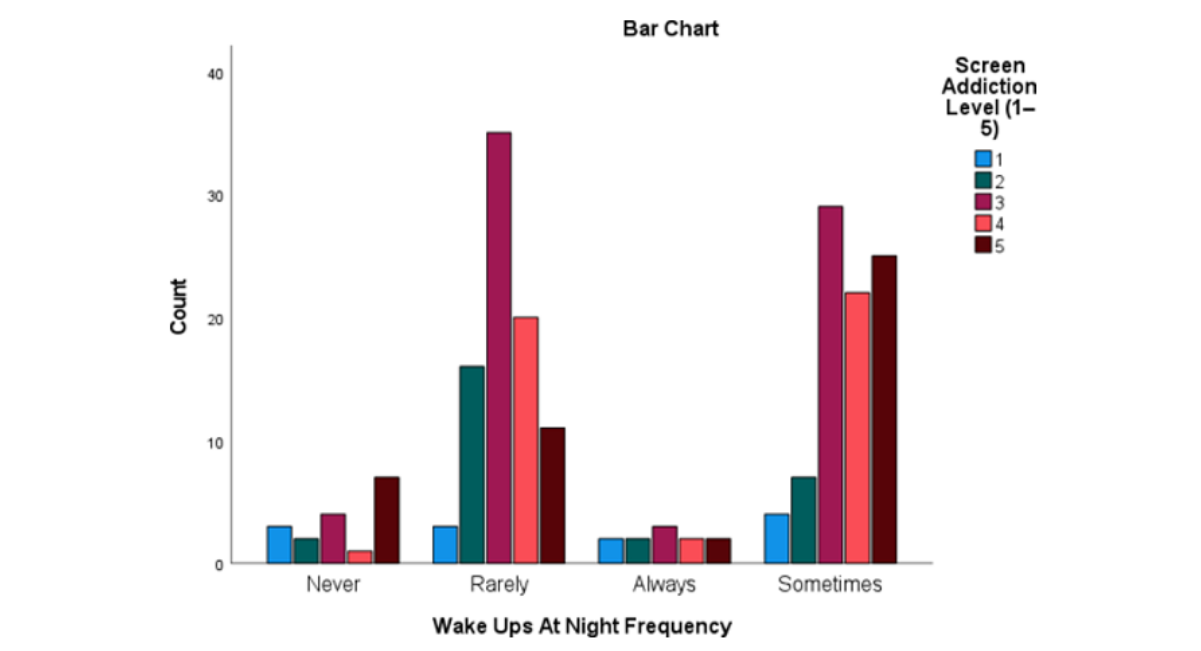
Figure 5.20: Relationship Between Night Wake Ups Frequency and Screen Addiction Level
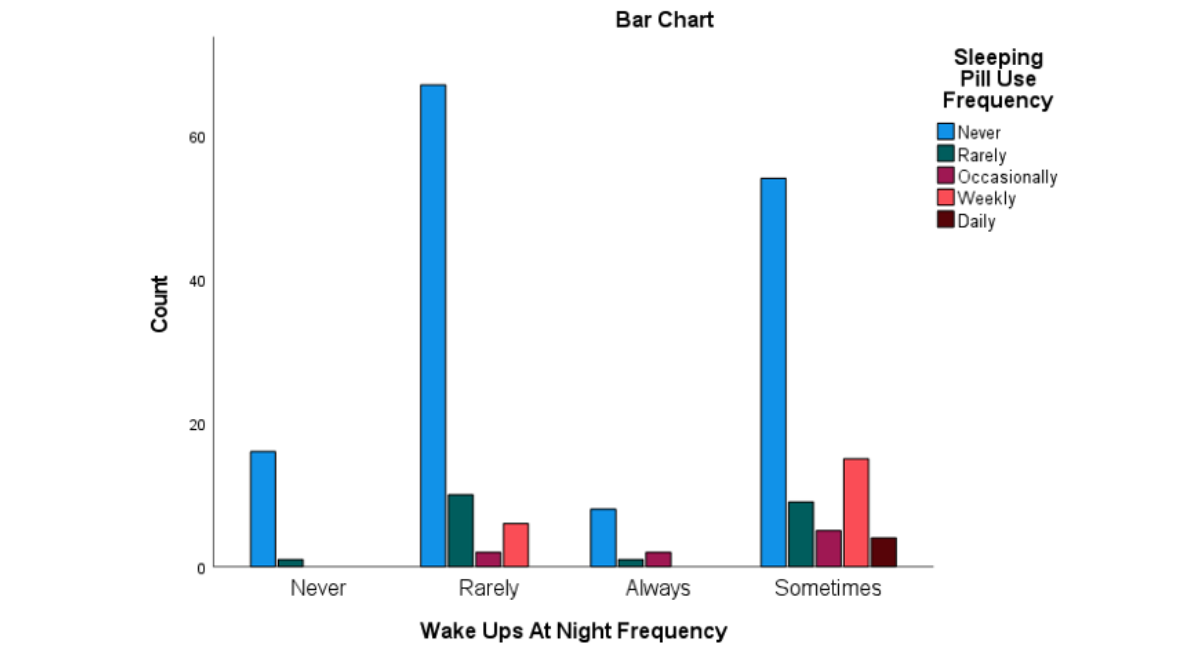
Figure 5.21: Relationship Between Night Wake Ups and Sleeping Pill Use Frequency
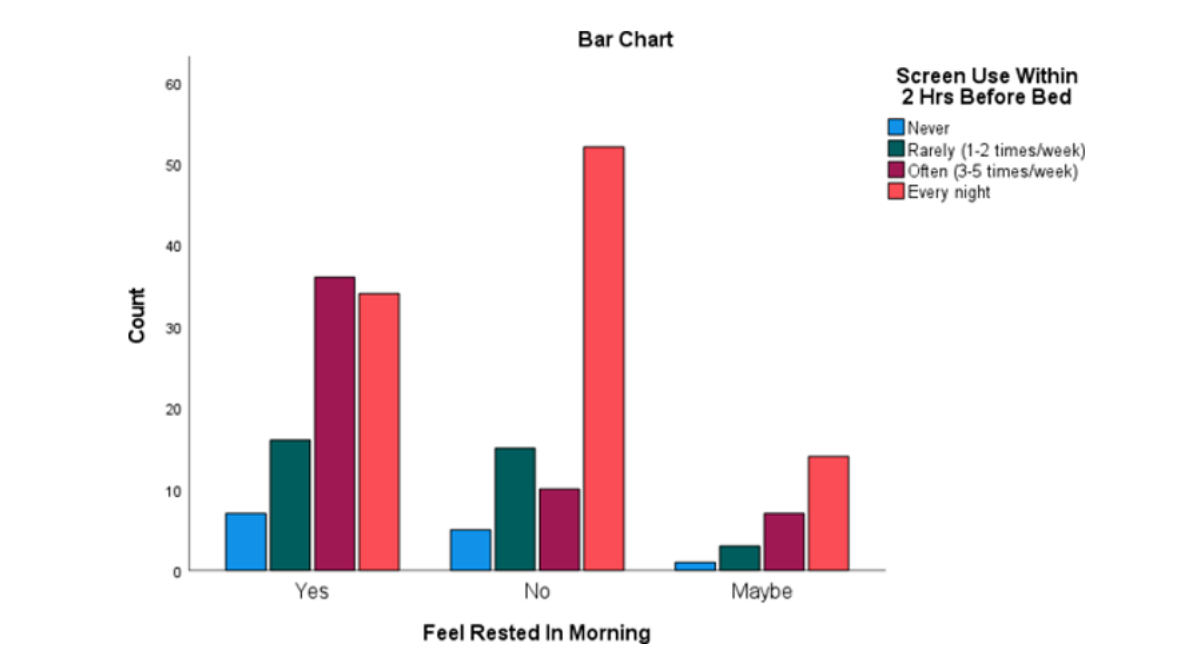
Figure 5.22: Relationship Between Feel Rested in Morning and Screen Usage Before Bed
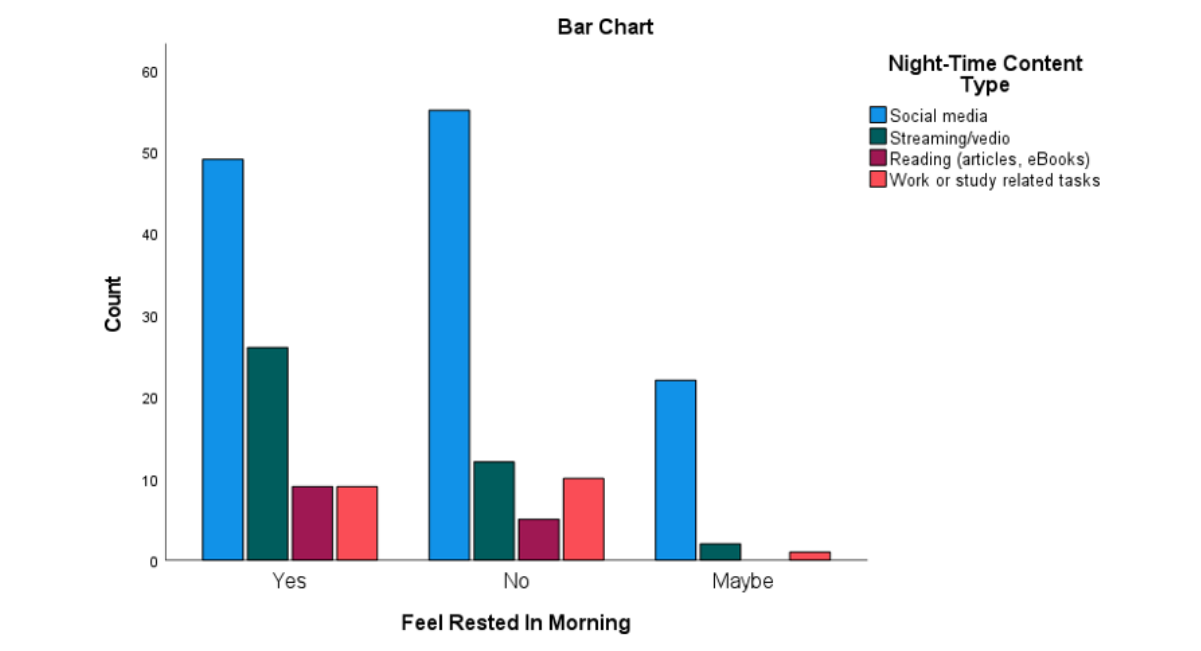
Figure 5.23: Relationship Between Feel Rested in Morning and Type of Night Content
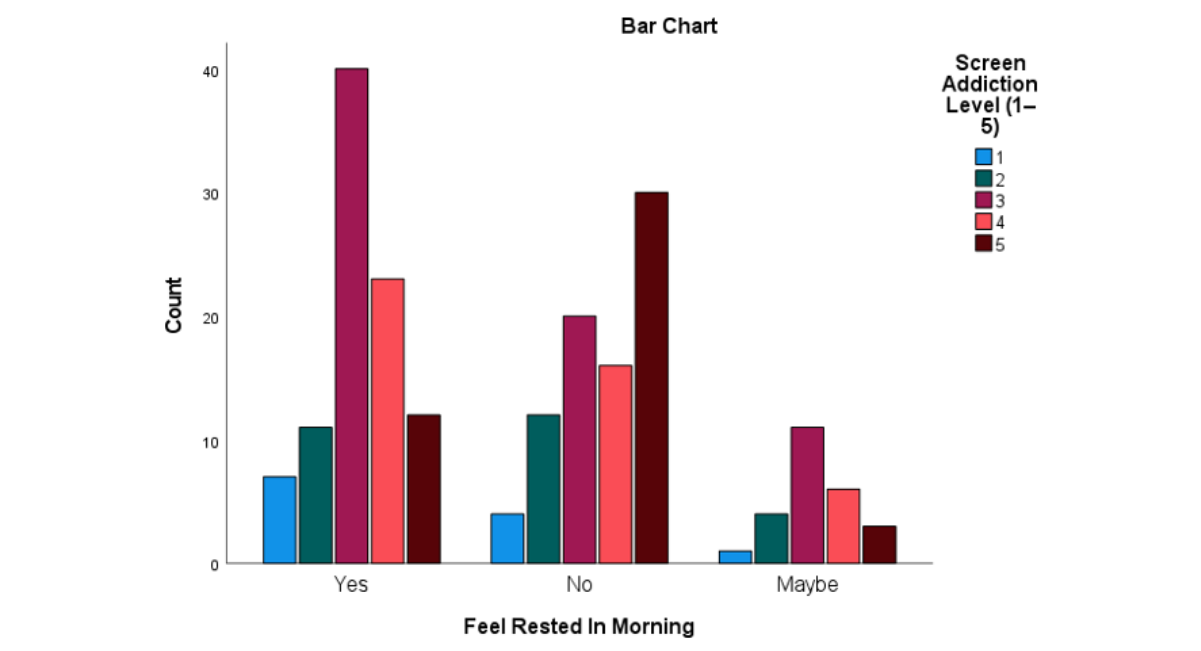
Figure 5.24: Relationship Between Feel Rested in Morning and Screen Addiction Level
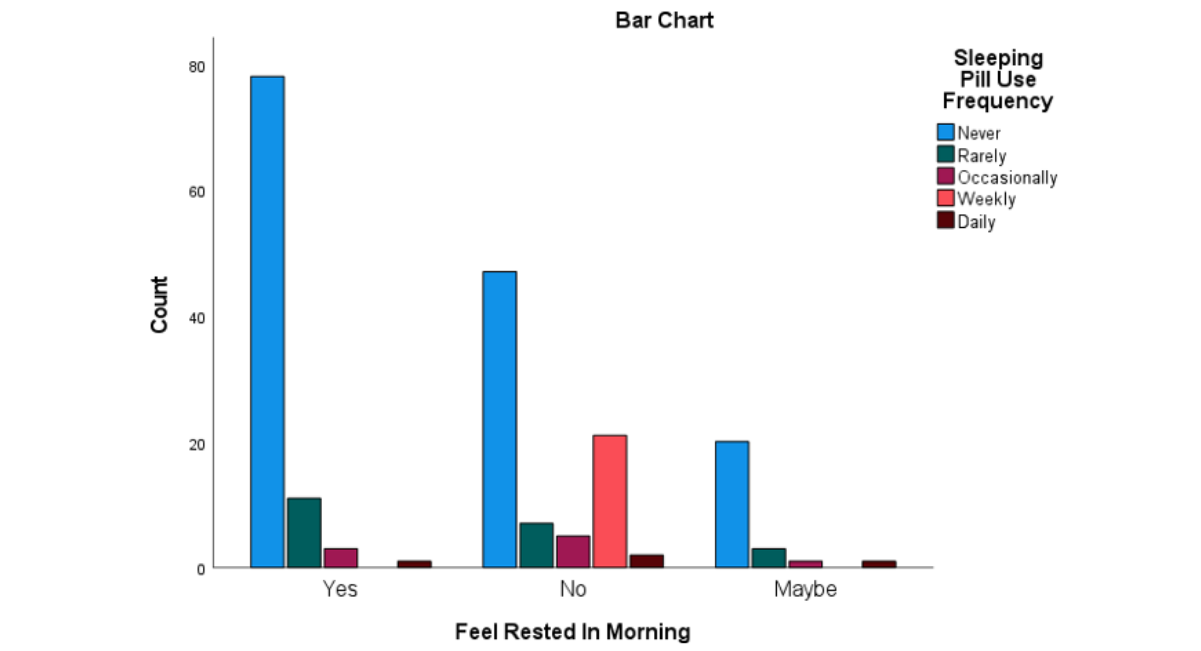
Figure 5.25: Relationship Between Feel Rested in Morning and Sleeping Pill Use Frequency
DISCUSSION
The association between diagnosed insomnia and sleeping pill frequency found in this study was both strong and statistically significant, indicating that individuals with a clinical diagnosis of insomnia are much more likely to use sleep aids. This aligns with prior research showing that hypnotic medications are often the first-line intervention prescribed for persistent insomnia, despite concerns over tolerance and dependence. Our findings reinforce the clinical trend that diagnosis often leads to pharmacological reliance, even though guidelines increasingly recommend non-pharmacological approaches such as cognitive-behavioral therapy for insomnia.
For subjective sleep complaints, the significant associations between trouble sleeping and both late-night screen use and screen addiction levels support the evidence that evening electronic exposure delays circadian rhythms through melatonin suppression and heightened cognitive arousal. Our results echo findings from Exelmans and Van den Bulck, who showed that smartphone use in bed predicts prolonged sleep latency and shorter sleep duration [15]. The moderate effect sizes in our sample suggest that while screen use is not the sole determinant of insomnia, it is a consistent behavioral factor that exacerbates difficulties in initiating sleep.
Night-time awakenings also showed links with screen use, screen addiction, and sleeping pill reliance. This is consistent with reports that evening light exposure and interactive screen-based activities disrupt sleep continuity. At the same time, the association with pill use echoes concerns that reliance on hypnotics may improve sleep onset but not guarantee restorative or uninterrupted sleep. These dual pathways—behavioral disruption from screens and pharmacological dependence—highlight the multifactorial nature of poor sleep maintenance.
Lastly, the significant relationships between morning restfulness and multiple factors—screen behaviors, type of night-time content, and pill use—underscore the cumulative burden of these exposures. Prior studies suggest that stimulating content (e.g., social media, gaming, work-related tasks) is particularly harmful to subjective rest, as it combines psychological arousal with blue-light exposure [27]. The stronger effect size for pill frequency suggests that while medications may induce sleep, they do not necessarily guarantee refreshed awakening, echoing concerns of reduced sleep quality despite pharmacological aid.
Overall, these results provide empirical support for the “screen time–sleeping pill paradox.” On one hand, excessive screen use delays sleep and fragments its quality; on the other, reliance on pills may provide short-term relief but contributes to dependency and non-restorative sleep. Our findings, therefore, advocate for integrated interventions focusing on screen-time reduction alongside safe, non-pharmacological insomnia management strategies.
Mann-Whitney U Test for Comparing Two Independent Groups
To further explore differences in sleep-related outcomes across behavioral and pharmacological factors, the Mann–Whitney U test was applied. This non-parametric test is appropriate when comparing two or more independent groups on continuous or ordinal outcomes that are not normally distributed, as was the case in our data. The test was conducted across four domains: sleeping pill use frequency, screen use within two hours before bed, screen addiction levels, and night-time content type.
|
Dependent Variable |
Median (Never Used) |
Median (Rarely Used) |
Mean Rank (Never Used) |
Mean Rank (Rarely Used) |
Mann–Whitney U |
Significance (p < 0.01) |
|
Avg Sleep Hours/Night |
7.0 |
7.0 |
83.26 |
85.17 |
1487.500 |
No |
|
Time to Fall Asleep (min) |
20 |
30 |
80.91 |
101.40 |
1146.500 |
No |
|
Overall Sleep Quality (1–5) |
3.0 |
2.0 |
78.95 |
114.93 |
862.500 |
Yes |
Table 5.8: Section A – Sleeping Pill Use Frequency
Note: Grouping Variable : Sleeping Pill Use Frequency Group 1: Never Used Sleeping Pills (Code = 1) Group 2: Rarely Used Sleeping Pills (Code = 2)
Interpretation
Respondents who rarely used sleeping pills reported lower overall sleep quality than those who never used them, with a statistically significant difference (p < 0.01). Differences in average sleep hours and time to fall asleep were not statistically significant.
|
Dependent Variable |
Median (Never) |
Median (Every Night) |
Mean Rank (Never) |
Mean Rank (Every Night) |
Mann–Whitney U |
Significance (p < 0.01) |
|
Avg Sleep Hours/Night |
8.0 |
6.0 |
108.50 |
73.20 |
1180.000 |
Yes |
|
Time to Fall Asleep (min) |
15 |
25 |
70.40 |
96.80 |
1350.000 |
Yes |
|
Overall Sleep Quality (1–5) |
4.0 |
2.0 |
110.90 |
72.10 |
1050.000 |
Yes |
Table 5.9: Section B – Screen Use Within 2 Hours Before Bed
Note: Grouping Variable: Screen Use Within 2 Hours Before Bed Group 1: Never (Code = 1) Group 2: Every Night (Code = 4)
Interpretation
Frequent night-time screen use was associated with shorter sleep duration, longer time to fall asleep, and poorer self-rated sleep quality. All three differences were statistically significant at p < 0.01, highlighting a strong link between late-night screen use and reduced sleep health.
|
Dependent Variable |
Median (Low Addiction) |
Median (High Addiction) |
Mean Rank (Low Addiction) |
Mean Rank (High Addiction) |
Mann–Whitney U |
Significance (p < 0.01) |
|
Avg Sleep Hours/Night |
8.0 |
6.0 |
115.80 |
70.30 |
980.000 |
Yes |
|
Time to Fall Asleep (min) |
15 |
30 |
68.40 |
100.20 |
1280.000 |
Yes |
|
Overall Sleep Quality (1–5) |
4.0 |
2.0 |
118.90 |
69.10 |
920.000 |
Yes |
Table 5.10: Section C – Screen Addiction Level
Note: Grouping Variable: Screen Addiction Level Group 1: Very Low Addiction (Code = 1) Group 2: Very High Addiction (Code = 5)
Interpretation
Participants with very high screen addiction consistently reported less sleep, poorer quality, and longer time to fall asleep compared to those with very low addiction. All effects were significant at p < 0.01, suggesting screen addiction is a key predictor of sleep problems.
|
Dependent Variable |
Median (social media) |
Median (Work/Study) |
Mean Rank (social media) |
Mean Rank (Work/Study) |
Mann–Whitney U |
Significance (p < 0.01) |
|
Avg Sleep Hours/Night |
6.0 |
7.0 |
82.40 |
95.30 |
1450.000 |
No |
|
Time to Fall Asleep (min) |
25 |
20 |
92.10 |
83.40 |
1500.000 |
No |
|
Overall Sleep Quality (1–5) |
2.0 |
3.0 |
80.20 |
97.10 |
1400.000 |
No |
Table 5.11: Section D – Night-Time Content Type
Note: Grouping Variable : Night-Time Content Type Group 1: Social Media Use (Code = 1) Group 2: Work/Study Related Content (Code = 2)
Interpretation
While work/study-related content users reported slightly better sleep quality and more sleep hours, none of the differences reached statistical significance. This suggests the type of content consumed before bed may have a weaker effect than the timing or amount of screen use.
DISCUSSION
The first set of comparisons examined the role of sleeping pill use frequency in shaping sleep outcomes. Interestingly, individuals who reported taking sleeping pills only on rare occasions experienced significantly lower sleep quality compared with those who had never relied on such aids. This finding suggests that intermittent or inconsistent pill use may not provide the intended benefit and could even reflect underlying sleep disturbances that medication fails to address. Prior research has highlighted similar concerns, showing that hypnotics may not improve restorative sleep and can sometimes worsen subjective sleep satisfaction when not used consistently or appropriately [3]. In contrast, our results found no significant differences in sleep duration or sleep latency, reinforcing the idea that while pills may aid in sleep initiation, their impact on overall restfulness is more complex.
In terms of screen use within two hours of bedtime, the analysis revealed clear associations with poorer sleep outcomes. Frequent users reported shorter sleep, longer time to fall asleep, and lower subjective sleep quality. These results align with existing literature documenting that exposure to electronic screens in the pre-sleep window delays melatonin secretion, increases cognitive arousal, and disrupts circadian alignment. Our findings support the growing consensus that evening screen exposure is one of the most consistent behavioral risk factors for insomnia, particularly among young adults who tend to engage in late-night device use.
The third analysis focused on screen addiction levels, which showed a robust and consistent relationship with sleep disruption. Participants with very high screen addiction scores not only slept fewer hours but also reported significantly poorer sleep quality and longer sleep latency compared to their peers with very low scores. These patterns suggest that compulsive or excessive use, beyond mere exposure, is a critical predictor of sleep problems. Studies of digital dependency have found similar outcomes, linking problematic screen use with chronic sleep restriction, irregular sleep patterns, and heightened risk of insomnia [15]. In this sense, screen addiction may represent a behavioral pathway through which technology exerts lasting effects on sleep health.
Finally, the analysis of night-time content type did not reveal significant differences in sleep outcomes. While those who engaged in work or study-related activities before bed reported slightly better quality and duration of sleep than those using screens for entertainment or stress relief, these differences were not statistically meaningful. This suggests that the timing and amount of screen exposure may play a far stronger role in shaping sleep health than the specific type of content consumed. Prior evidence echoes this finding, showing that while stimulating or interactive content (e.g., gaming, social media) can exacerbate arousal, the physiological impact of late-night light exposure remains the primary mechanism through which screens disrupt sleep.
Taken together, these findings highlight a key dimension of the “screen time–sleeping pill paradox”: while individuals attempt to use pharmacological aids to manage insomnia, lifestyle behaviors—particularly late-night and compulsive screen use—emerge as more powerful and consistent drivers of poor sleep outcomes.
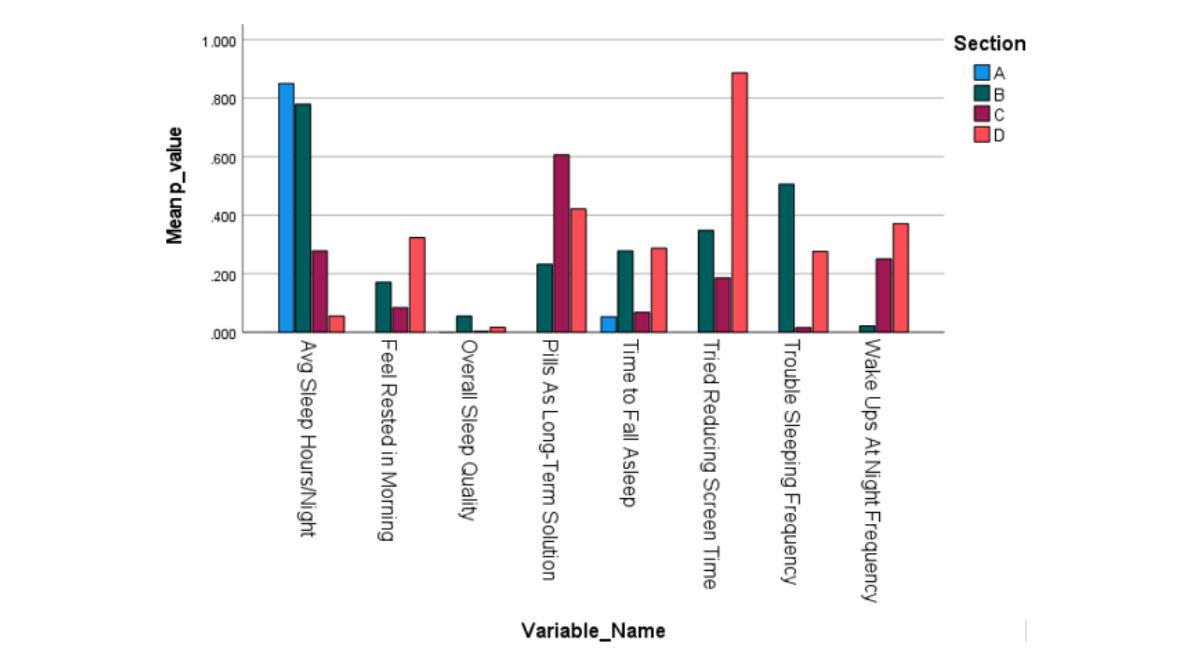
Figure 5.26: Mann-Whitney U Test Results
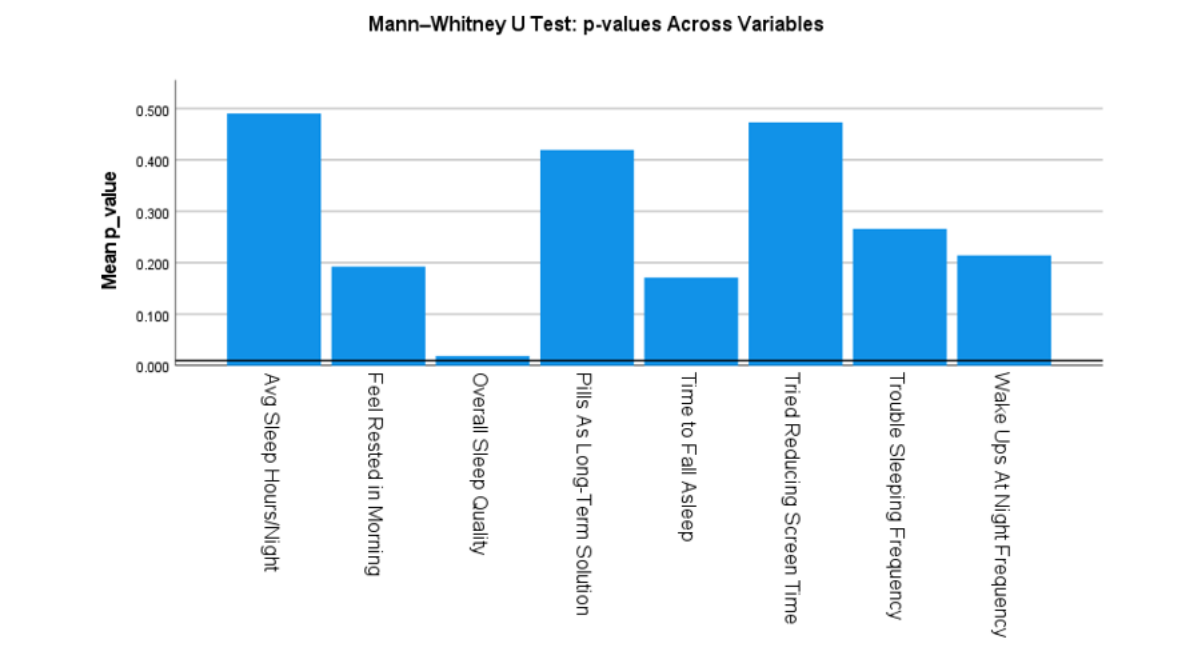
Figure 5.27: Relationship Between Mean P-Value and Variables
Kruskal-Wallis Test
The Kruskal–Wallis H test, a non-parametric alternative to one-way ANOVA, was employed to assess whether significant differences existed between groups of participants based on screen-related behaviors and sleeping pill use. This test was chosen because several of the study’s variables were not normally distributed, making non-parametric methods more appropriate. The analysis focused on three key grouping variables—screen use within two hours before bed, screen addiction levels, and sleeping pill use frequency—and their associations with a range of sleep-related outcomes, including average sleep hours, sleep latency, overall sleep quality, frequency of sleep disturbances, and beliefs about sleep management.
|
Dependent Variable |
Grouping Variable |
H (Chi-Square) |
df |
p-value |
Significant |
|
Avg Sleep Hours/Night |
Screen Use Within 2 Hrs Before Bed |
1.183 |
3 |
0.757 |
No |
|
Time To Fall Asleep |
Screen Use Within 2 Hrs Before Bed |
5.011 |
3 |
0.171 |
No |
|
Overall Sleep Quality |
Screen Use Within 2 Hrs Before Bed |
7.693 |
3 |
0.053 |
No (borderline) |
|
Trouble Sleeping Frequency |
Screen Use Within 2 Hrs Before Bed |
18.649 |
3 |
0.000 |
Yes |
|
Wake Ups at Night Frequency |
Screen Use Within 2 Hrs Before Bed |
10.666 |
3 |
0.014 |
Yes |
|
Feel Rested in Morning |
Screen Use Within 2 Hrs Before Bed |
11.860 |
3 |
0.008 |
Yes |
|
Tried Reducing Screen Time |
Screen Use Within 2 Hrs Before Bed |
1.666 |
3 |
0.644 |
No |
|
Pills As Long-Term Solution |
Screen Use Within 2 Hrs Before Bed |
4.473 |
3 |
0.215 |
No |
|
Avg Sleep Hours/Night |
Screen Addiction Level (1–5) |
5.613 |
4 |
0.230 |
No |
|
Time To Fall Asleep |
Screen Addiction Level (1–5) |
10.296 |
4 |
0.036 |
Yes |
|
Overall Sleep Quality |
Screen Addiction Level (1–5) |
28.679 |
4 |
0.000 |
Yes |
|
Trouble Sleeping Frequency |
Screen Addiction Level (1–5) |
22.714 |
4 |
0.000 |
Yes |
|
Wake Ups at Night Frequency |
Screen Addiction Level (1–5) |
5.037 |
4 |
0.283 |
No |
|
Feel Rested in Morning |
Screen Addiction Level (1–5) |
5.817 |
4 |
0.213 |
No |
|
Tried Reducing Screen Time |
Screen Addiction Level (1–5) |
13.581 |
4 |
0.009 |
Yes |
|
Pills As Long-Term Solution |
Screen Addiction Level (1–5) |
4.544 |
4 |
0.337 |
No |
|
Avg Sleep Hours/Night |
Sleeping Pill Use Frequency |
15.420 |
4 |
0.004 |
Yes |
|
Time To Fall Asleep |
Sleeping Pill Use Frequency |
17.772 |
4 |
0.001 |
Yes |
|
Overall Sleep Quality |
Sleeping Pill Use Frequency |
72.083 |
4 |
0.000 |
Yes |
|
Trouble Sleeping Frequency |
Sleeping Pill Use Frequency |
18.265 |
4 |
0.001 |
Yes |
|
Wake Ups at Night Frequency |
Sleeping Pill Use Frequency |
15.363 |
4 |
0.004 |
Yes |
|
Feel Rested in Morning |
Sleeping Pill Use Frequency |
11.883 |
4 |
0.018 |
Yes |
|
Tried Reducing Screen Time |
Sleeping Pill Use Frequency |
17.505 |
4 |
0.002 |
Yes |
|
Pills As Long-Term Solution |
Sleeping Pill Use Frequency |
25.470 |
4 |
0.000 |
Yes |
Table 5.12: Kruskal-Wallis Test Results for Selected Variables
Interpretation
Screen use before bed showed significant associations with trouble sleeping frequency, nighttime awakenings, and feeling rested in the morning, but not with total sleep hours.
- Screen addiction level (1–5) had significant effects on time to fall asleep, overall sleep quality, trouble sleeping frequency, and screen time reduction attempts.
- Sleeping pill use frequency was the strongest factor, significantly affecting all sleep-related variables (p < 0.05 across all).
This suggests that screen-related behaviors disturb some dimensions of sleep, but dependence on sleeping pills has the most widespread impact on sleep patterns and perceptions.
DISCUSSION
The findings reinforce the central paradox of this study, demonstrating how both behavioral and pharmacological factors contribute to sleep disruption. The association between screen use before bedtime and sleep disturbances supports prior research indicating that evening exposure to blue-light–emitting devices delays melatonin secretion and increases cognitive arousal, leading to fragmented sleep and reduced next-day restfulness. Interestingly, while subjective overall sleep quality did not differ significantly, frequent awakenings and morning fatigue suggest that participants may normalize poor sleep quality, underestimating its severity.
For screen addiction, the observed relationship with prolonged sleep latency and reduced sleep quality aligns with earlier findings where problematic technology use was linked to difficulties in sleep initiation and maintenance [15]. The absence of significant differences in total sleep duration may reflect compensatory behaviors, such as weekend catch-up sleep, while persistent poor-quality underscores the psychological and physiological burden of screen dependency.
The role of sleeping pill use frequency was particularly striking. Frequent users consistently reported poorer outcomes across nearly all domains of sleep, highlighting the potential drawbacks of pharmacological reliance. Previous literature suggests that while hypnotics can provide short-term relief, chronic use is associated with tolerance, dependency, and diminished natural sleep architecture [3]. Our results echo this evidence, suggesting that individuals relying on sleeping aids may experience worsening sleep health over time, perpetuating a cycle of insomnia severity and medication use.
Together, these findings emphasize that while behavioral factors such as screen timing and addiction disrupt sleep, reliance on pharmacological interventions may exacerbate the problem, pointing to the need for holistic approaches that integrate behavioral modification, cognitive strategies, and careful medical supervision
Strengths and Weaknesses of the Study
This study holds several notable strengths. First, it addresses a timely and highly relevant issue—the dual impact of screen time and sleeping pill use on insomnia—an area that remains underexplored in clinical and community health research. By integrating both behavioral and pharmacological factors, it provides a more holistic understanding of insomnia than studies focusing on a single domain. The use of validated tools, namely the Pittsburgh Sleep Quality Index (PSQI) and Insomnia Severity Index (ISI), strengthens the credibility and comparability of findings with international research standards. The sample size of 200 participants offers reasonable statistical power for identifying significant associations, while the focus on young adults reflects a population segment most vulnerable to excessive digital exposure. Furthermore, the application of multiple statistical tests (Chi-square, Mann–Whitney U, and Kruskal–Wallis) allowed for robust examination of associations, reinforcing the internal validity of the results. Collectively, these features enhance the study’s contribution as a baseline for future longitudinal and interventional research.
The limitations are that the study’s cross-sectional design limits causal interpretation of associations, and reliance on self-reported data may introduce recall bias. Additionally, as the sample was primarily drawn from young adults in Sargodha, generalizability to other age groups or populations is restricted.
CONCLUSION
This cross-sectional study, conducted through an online questionnaire incorporating the Pittsburgh Sleep Quality Index (PSQI) and Insomnia Severity Index (ISI), examined the complex interplay between screen time, sleeping pill use, and insomnia among 200 predominantly young adults, mostly aged 20–30 years from Sargodha. The findings revealed that screen exposure, particularly within two hours before bedtime, was strongly associated with longer sleep latency, frequent awakenings, poor morning restfulness, and overall diminished sleep quality, confirming the disruptive role of late-night digital habits. At the same time, frequent sleeping pill use was significantly linked to higher insomnia severity and poorer sleep outcomes, (highlighting that while pharmacological interventions may offer short-term relief, they fail to provide sustainable restorative sleep and often foster dependency. Importantly, the results suggest that screen exposure undermines the effectiveness of sleep aids, with many medicated participants still experiencing disrupted sleep, thereby illustrating the “screen time–sleeping pill paradox.” High screen users, particularly those with elevated levels of screen addiction, consistently reported worse insomnia symptoms and lower subjective sleep quality, with stress and anxiety emerging as additional compounding factors. Awareness levels varied across respondents—while some recognized the risks of sleeping pills and excessive screen use, many younger adults underestimated these effects, and although most avoided sleeping pills, those who did rely on them still faced screen-related sleep disruption. Taken together, these findings underscore that sleeping pills are not a viable standalone solution, and behavioral strategies particularly screen time management, improved sleep hygiene, and evidence-based interventions such as Cognitive Behavioral Therapy for Insomnia (CBT-I) must be prioritized. Beyond immediate clinical implications, this study contributes a valuable baseline for future longitudinal and interventional research in low-resource settings to clarify causal pathways, explore cultural influences on digital habits, and investigate physiological mechanisms such as melatonin suppression versus pill-induced neuroadaptation. Expanding research to diverse demographic groups including adolescents, older adults, and individuals with comorbid conditions will strengthen generalizability, while incorporating objective physiological measures like melatonin assays, circadian rhythm monitoring, and actigraphy-based tracking can refine accuracy. On a broader scale, these results carry practical and policy implications: healthcare providers should integrate screen-time reduction strategies with therapeutic care, public health authorities can design awareness campaigns tailored to age-specific digital behaviors, workplace wellness initiatives can target sleep hygiene, and technology developers may innovate sleep-friendly device features. Ultimately, addressing the “screen time–sleeping pill paradox” requires a dual-pronged approach combining digital hygiene education with cautious pharmacological oversight to break the cycle of modern insomnia and move toward a holistic, technology-conscious, and patient-centered model of sleep management.
REFERENCES
- American Academy of Sleep Medicine. (2021). International classification of sleep disorders (3rd ed.). Darien, IL: AASM.
- Diagnostic A. statistical manual of mental disorders,(DSM-5) Washington. DC: American Psychiatric Association. 2013. [Google Scholar]
- Morin CM, Benca R. Chronic insomnia. The Lancet. 2012 ;379(9821):1129-41. [Crossref] [Google Scholar]
- Roth T. Insomnia: definition, prevalence, etiology, and consequences. Journal of clinical sleep medicine. 2007 ;3(Suppl 5):S7-10. [Crossref] [Google Scholar] [PubMed]
- Ohayon MM. Epidemiology of insomnia: what we know and what we still need to learn. Sleep medicine reviews. 2002 ;6(2):97-111. [Crossref] [Google Scholar] [PubMed]
- Zhou, S., Michaud, A. L., & Katzman, M. A. (2016). Sleep, insomnia, and health risks in young adults. [Crossref]
- Baglioni C, Battagliese G, Feige B, Spiegelhalder K, Nissen C, Voderholzer U, Lombardo C, Riemann D. Insomnia as a predictor of depression: a meta-analytic evaluation of longitudinal epidemiological studies. Journal of affective disorders. 2011;135(1-3):10-9. [Crossref] [Google Scholar] [PubMed]
- Spiegelhalder K, Scholtes C, Riemann D. The association between insomnia and cardiovascular diseases. Nature and science of sleep. 2010 :71-8. [Crossref] [Google Scholar] [PubMed]
- Cain N, Gradisar M. Electronic media use and sleep in school-aged children and adolescents: A review. Sleep medicine. 2010 Sep 1;11(8):735-42. [Crossref] [Google Scholar] [PubMed]
- Kuhn E, Weiss BJ, Taylor KL, Hoffman JE, Ramsey KM, Manber R, Gehrman P, Crowley JJ, Ruzek JI, Trockel M. CBT-I coach: a description and clinician perceptions of a mobile app for cognitive behavioral therapy for insomnia. Journal of clinical sleep medicine. 2016 ;12(4):597-606. [Crossref] [Google Scholar] [PubMed]
- Irish LA, Kline CE, Gunn HE, Buysse DJ, Hall MH. The role of sleep hygiene in promoting public health: A review of empirical evidence. Sleep medicine reviews. 2015 ;22:23-36. [Crossref] [Google Scholar] [PubMed]
- Espie CA, Kyle SD, Williams C, Ong JC, Douglas NJ, Hames P, Brown JS. A randomized, placebo-controlled trial of online cognitive behavioral therapy for chronic insomnia disorder delivered via an automated media-rich web application. Sleep. 2012;35(6):769-81. [Crossref] [Google Scholar] [PubMed]
- Hale L, Guan S. Screen time and sleep among school-aged children and adolescents: a systematic literature review. Sleep medicine reviews. 2015 1;21:50-8. [Crossref] [Google Scholar] [PubMed]
- Cajochen C, Frey S, Anders D, Späti J, Bues M, Pross A, Mager R, Wirz-Justice A, Stefani O. Evening exposure to a light-emitting diodes (LED)-backlit computer screen affects circadian physiology and cognitive performance. Journal of applied physiology. 2011;110(5):1432-8. [Crossref] [Google Scholar] [PubMed]
- Exelmans L, Van den Bulck J. Bedtime mobile phone use and sleep in adults Social science & medicine. 2016 ;148:93-101. [Crossref] [Google Scholar] [PubMed]
- Arendt J. Melatonin: characteristics, concerns, and prospects. Journal of biological rhythms. 2005 ;20(4):291-303. [Crossref] [Google Scholar] [PubMed]
- Harbard E, Allen NB, Trinder J, Bei B. What's keeping teenagers up? Prebedtime behaviors and actigraphy-assessed sleep over school and vacation. Journal of Adolescent Health. 2016 ;58(4):426-32. [Crossref] [Google Scholar] [PubMed]
- Holbrook AM, Crowther R, Lotter A, Cheng C, King D. Meta-analysis of benzodiazepine use in the treatment of insomnia. Cmaj. 2000 ;162(2):225-33. [Crossref] [Google Scholar]
- Gunja N. The clinical and forensic toxicology of Z-drugs. Journal of Medical Toxicology. 2013;9(2):155-62. [Crossref] [Google Scholar] [PubMed]
- Hardeland R, Cardinali DP, Srinivasan V, Spence DW, Brown GM, Pandi-Perumal SR. Melatonin— A pleiotropic, orchestrating regulator molecule. Progress in neurobiology. 2011 ;93(3):350-84. [Crossref] [Google Scholar] [PubMed]
- Shochat T, Flint‐Bretler O, Tzischinsky O. Sleep patterns, electronic media exposure and daytime sleep‐related behaviours among Israeli adolescents. Acta Paediatrica. 2010 ;99(9):1396-400. [Crossref] [Google Scholar] [PubMed]
- Hjetland, J., Siversten, B., Garthus-Niegel, S., & Knapstad, M. (2021). Screen time and insomnia among university students: The Moderating Effect of Loneliness21(1), 1-11. https://doi.org/10.1186/s12889-021-10624-0 [PubMed]
- Christensen MA, Bettencourt L, Kaye L, Moturu ST, Nguyen KT, Olgin JE, Pletcher MJ, Marcus GM. Direct measurements of smartphone screen-time: relationships with demographics and sleep. PloS one. 2016 ;11(11):e0165331. [Crossref] [Google Scholar] [PubMed]
- Li L, Wu C, Gan Y, Qu X, Lu Z. Insomnia and the risk of depression: a meta-analysis of prospective cohort studies. BMC psychiatry. 2016 ;16(1):375. [Crossref] [Google Scholar]
- Glass J, Lanctôt KL, Herrmann N, Sproule BA, Busto UE. Sedative hypnotics in older people with insomnia: meta-analysis of risks and benefits. Bmj. 2005 ;331(7526):1169. [Crossref] [Google Scholar] [PubMed]
- Nowell PD, Mazumdar S, Buysse DJ, Dew MA, Reynolds CF, Kupfer DJ. Benzodiazepines and zolpidem for chronic insomnia: a meta-analysis of treatment efficacy. Jama. 1997 ;278(24):2170-7. [Crossref] [Google Scholar] [PubMed]
- Hershner SD, Chervin RD. Causes and consequences of sleepiness among college students. Nature and science of sleep. 2014 23:73-84. [Crossref] [Google Scholar] [PubMed]