
Pharmaceutical Research and Therapeutic Sciences

ABSTRACT
Biologic therapeutics, including proteins, peptides, monoclonal antibodies, hormones, enzymes, and nucleic acid-based medicines, have transformed the management of numerous chronic and life-threatening diseases. However, their clinical use remains largely dependent on parenteral administration because these macromolecules are highly susceptible to degradation in the gastrointestinal tract and exhibit poor intestinal permeability. Consequently, repeated injections are often required, leading to reduced patient compliance, needle-associated anxiety, increased healthcare costs, and diminished quality of life. These limitations have driven intensive research into alternative delivery strategies capable of enabling effective oral administration of biologics.
Nanoparticle-based drug delivery systems have emerged as one of the most promising approaches for overcoming the physiological and biochemical barriers that limit oral bioavailability. Advanced nanocarriers—including lipid nanoparticles, polymeric nanoparticles, liposomes, solid lipid nanoparticles, dendrimers, nanostructured lipid carriers, and biomimetic vesicles—can protect biologic molecules from acidic and enzymatic degradation, enhance mucus penetration, facilitate epithelial transport, and provide controlled or targeted drug release. Recent advances in materials science, surface engineering, and formulation technologies have significantly improved the stability, absorption, and therapeutic performance of orally administered biologics .
This narrative review critically examines current progress in nanoparticle-enabled oral delivery of injectable biologic therapeutics. We discuss the major gastrointestinal barriers to oral absorption, compare the characteristics of different nanoparticle platforms, and summarize recent preclinical and emerging clinical evidence supporting the oral conversion of biologics, including insulin, glucagon-like peptide-1 receptor agonists, monoclonal antibodies, and growth hormone, erythropoietin, interferons, and enzyme replacement therapies. The review also highlights key translational challenges related to formulation stability, manufacturing scalability, long-term safety, regulatory approval, and commercial development. Finally, emerging innovations, including biomimetic nanocarriers, stimuli-responsive nanoparticles, artificial intelligence-assisted formulation design, and precision nanomedicine, are discussed as promising strategies for accelerating clinical translation. Continued advances in nanoparticle engineering have the potential to transform injectable biologics into safe, effective, and patient-friendly oral medicines, redefining the future of biologic drug delivery.
Keywords: Oral Biologics; Injectable Therapeutics; Nanoparticle Drug Delivery; Oral Peptide Delivery; Monoclonal Antibodies; Protein Therapeutics; Intestinal Permeability; Bioavailability
INTRODUCTION
Biologic therapeutics have transformed modern medicine by providing highly targeted treatments for diseases that were previously difficult to manage with conventional small-molecule drugs. These agents, including therapeutic proteins, peptides, monoclonal antibodies (mAbs), cytokines, hormones, enzymes, and nucleic acid-based medicines, have demonstrated remarkable efficacy in the treatment of diabetes mellitus, autoimmune disorders, inflammatory diseases, cancer, osteoporosis, hematological disorders, and rare genetic conditions [1-4]. Over the past two decades, biologics have become one of the fastest-growing segments of the global pharmaceutical market because of their high specificity, improved therapeutic outcomes, and ability to modulate complex molecular pathways that cannot be effectively targeted by traditional drugs [5,6].
Despite these advances, the clinical application of biologics remains heavily dependent on parenteral administration, including intravenous, subcutaneous, and intramuscular injections [7]. The large molecular size, structural complexity, hydrophilicity, and susceptibility of biologics to enzymatic degradation prevent efficient absorption following oral administration [8-10]. In the gastrointestinal tract, exposure to acidic gastric conditions and digestive enzymes rapidly degrades many biologic molecules before they reach the intestinal epithelium [11]. Even when degradation is minimized, the intestinal mucus layer, epithelial tight junctions, and limited transcellular transport significantly restrict systemic absorption [12,13]. Consequently, the oral bioavailability of most biologics is extremely low, making injectable administration the current standard of care [14].
Although injections provide reliable systemic delivery, they are associated with several disadvantages. Repeated injections may cause pain, injection-site reactions, needle anxiety, reduced patient adherence, increased healthcare utilization, and higher treatment costs [15]. These challenges are particularly important for patients requiring lifelong therapy, such as those with diabetes, inflammatory bowel disease, rheumatoid arthritis, multiple sclerosis, growth hormone deficiency, and various chronic endocrine disorders [16]. Improving patient convenience while maintaining therapeutic efficacy has therefore become an important objective in pharmaceutical research [17].
The concept of converting injectable biologics into orally administered medicines has attracted increasing scientific and industrial interest [18]. Successful oral formulations would improve patient acceptance, facilitate self-administration, reduce healthcare resource utilization, and potentially improve long-term therapeutic outcomes [19]. However, achieving effective oral delivery requires overcoming multiple biological and physicochemical barriers simultaneously, including protection from gastric degradation, enhancement of intestinal permeability, controlled drug release, and preservation of biological activity during absorption.
Nanotechnology has emerged as one of the most promising approaches to address these challenges. Nanoparticle-based drug delivery systems can encapsulate biologic molecules within protective carriers that shield them from the harsh gastrointestinal environment while promoting transport across intestinal barriers [2]. Depending on their composition and surface characteristics, nanoparticles may enhance mucus penetration, facilitate receptor-mediated uptake, improve cellular internalization, prolong residence time within the gastrointestinal tract, and enable controlled or targeted release of therapeutic cargo [4]. Various nanocarrier platforms—including lipid nanoparticles, polymeric nanoparticles, liposomes, solid lipid nanoparticles, nanostructured lipid carriers, dendrimers, inorganic nanoparticles, and biomimetic vesicles—are currently being investigated for oral biologic delivery [4].
Recent advances in materials science, pharmaceutical engineering, surface functionalization, and nanofabrication have substantially improved the performance of these delivery systems. The incorporation of mucoadhesive polymers, enzyme inhibitors, permeation enhancers, pH-responsive materials, ligand-targeting strategies, and biomimetic coatings has further enhanced nanoparticle stability and intestinal absorption. Several nanoparticle-enabled oral formulations have demonstrated encouraging efficacy in preclinical models, while selected candidates have advanced into early-phase clinical evaluation, highlighting the growing translational potential of this field [25].
Nevertheless, important challenges remain before oral biologics can become routine clinical therapies. Manufacturing scalability, formulation stability during storage, batch-to-batch reproducibility, long-term safety, immunogenicity, regulatory approval, and cost-effectiveness continue to limit widespread commercialization. Addressing these issues will require close collaboration among pharmaceutical scientists, materials engineers, clinicians, regulatory agencies, and industry partners.
This narrative review provides a comprehensive overview of current strategies for transforming injectable biologics into oral medicines using nanoparticle-based delivery systems. We discuss the physiological barriers limiting oral bioavailability, evaluate the advantages and limitations of major nanoparticle platforms, summarize recent preclinical and clinical evidence, examine translational and regulatory challenges, and highlight emerging innovations that may shape the future of oral biologic therapeutics.
Physiological Barriers to Oral Delivery of Biologics
Oral administration is the preferred route for drug delivery because of its convenience, non-invasive nature, and potential to improve patient adherence. However, unlike conventional small-molecule drugs, biologic therapeutics—including proteins, peptides, monoclonal antibodies, enzymes, hormones, and nucleic acid-based medicines—face numerous physiological and biochemical barriers that severely limit their oral bioavailability [6,7]. These macromolecules are structurally complex, highly susceptible to degradation, and exhibit poor permeability across the intestinal epithelium. As a result, only a negligible fraction of an orally administered biologic typically reaches the systemic circulation [8].
Gastric Acid Degradation
The stomach provides the first major obstacle to oral biologic delivery. Gastric fluid has a highly acidic pH, generally ranging from 1.0 to 3.0, which promotes protein unfolding, denaturation, and irreversible structural damage [9]. Many therapeutic proteins rapidly lose their biological activity under acidic conditions before reaching the small intestine. Acid-induced degradation is particularly problematic for peptide hormones and recombinant proteins that depend on their three-dimensional conformation for receptor recognition and biological function [10].
Enzymatic Digestion
Following gastric transit, biologics are exposed to numerous digestive enzymes throughout the gastrointestinal tract. Pepsin initiates protein degradation in the stomach, while pancreatic enzymes—including trypsin, chymotrypsin, elastase, and carboxypeptidases—continue proteolytic digestion in the small intestine. Brush-border peptidases further hydrolyze remaining peptide fragments, dramatically reducing the amount of intact therapeutic available for absorption. Consequently, enzymatic degradation remains one of the principal reasons for the poor oral bioavailability of peptide- and protein-based medicines.
Mucus Barrier
The intestinal mucus layer represents another important protective barrier that limits the diffusion of macromolecules. Composed primarily of mucin glycoproteins, lipids, salts, antimicrobial peptides, and immunoglobulins, mucus traps foreign particles and facilitates their clearance from the gastrointestinal tract. Although this defense mechanism protects the intestinal epithelium from pathogens, it also hinders the transport of therapeutic nanoparticles and biologic drugs. Nanocarriers must therefore be carefully engineered to either penetrate or interact favorably with mucus while preserving sufficient residence time for absorption.
Intestinal Epithelial Barrier
The intestinal epithelium forms a selectively permeable barrier that tightly regulates molecular transport between the intestinal lumen and systemic circulation. Tight junction proteins—including claudins, occludin, and zonula occludens proteins—restrict paracellular transport of large hydrophilic molecules. Since most biologics possess molecular weights ranging from several kilodaltons to hundreds of kilodaltons, passive diffusion across epithelial cells is extremely limited [7]. Effective oral delivery therefore requires specialized transport mechanisms or advanced delivery systems capable of facilitating transcellular uptake or transient modulation of epithelial permeability.
First-Pass Metabolism
Even when biologics successfully cross the intestinal epithelium, they remain susceptible to presystemic metabolism. Molecules absorbed from the gastrointestinal tract enter the portal circulation before reaching systemic blood flow, exposing them to hepatic metabolism and enzymatic clearance [9]. Although first-pass metabolism primarily affects small-molecule drugs, certain peptide therapeutics may also undergo significant degradation during this process, further reducing systemic bioavailability [10].
Efflux Transporters
Efflux transport proteins such as P-glycoprotein (P-gp), breast cancer resistance protein (BCRP), and multidrug resistance-associated proteins (MRPs) actively transport absorbed compounds back into the intestinal lumen. These transporters constitute an additional defense mechanism against xenobiotics but may also reduce intracellular retention of therapeutic agents. Surface modification of nanoparticles and receptor-targeting strategies have shown promise in reducing transporter-mediated drug efflux.
Molecular Size and Physicochemical Properties
Most biologics possess high molecular weight, hydrophilic surfaces, and limited membrane permeability. Unlike lipophilic small molecules, biologics cannot readily diffuse across phospholipid membranes. Furthermore, their conformational stability is influenced by temperature, pH, ionic strength, oxidation, and mechanical stress encountered during manufacturing, storage, and gastrointestinal transit. These physicochemical characteristics significantly complicate the development of stable oral formulations.
Gastrointestinal Transit Time
Variable gastric emptying and intestinal transit times influence the duration of exposure to digestive enzymes and the opportunity for drug absorption [5]. Food intake, age, gastrointestinal disorders, and patient-to-patient variability further contribute to inconsistent oral bioavailability. Controlled-release nanoparticle formulations may help optimize drug release within the most favorable regions of the intestine.
Immunological Barriers
The gastrointestinal tract contains an extensive immune network that continuously monitors luminal antigens. Specialized immune cells within Peyer's patches and gut-associated lymphoid tissue recognize foreign macromolecules and may initiate immune responses against therapeutic biologics. Nanoparticle surface engineering and biomimetic coatings are being investigated to reduce immunogenicity while promoting safe intestinal uptake.
Overcoming Gastrointestinal Barriers Using Nanotechnology
Modern nanoparticle delivery systems are specifically designed to address multiple gastrointestinal barriers simultaneously. Protective nanocarriers shield biologics from acidic degradation and enzymatic digestion, improve mucus penetration, enhance epithelial uptake through receptor-mediated endocytosis, and provide controlled release at optimal intestinal sites. Multifunctional nanoparticles incorporating mucoadhesive polymers, permeation enhancers, enzyme inhibitors, and ligand-targeting molecules have demonstrated encouraging improvements in oral bioavailability in both preclinical and early clinical investigations [15].
Collectively, these physiological barriers explain why oral delivery of biologics remains one of the greatest challenges in pharmaceutical science. Continued advances in nanoparticle engineering, biomaterials, and targeted drug delivery are expected to play a central role in overcoming these limitations and enabling the successful transition of injectable biologics into effective oral medicines.
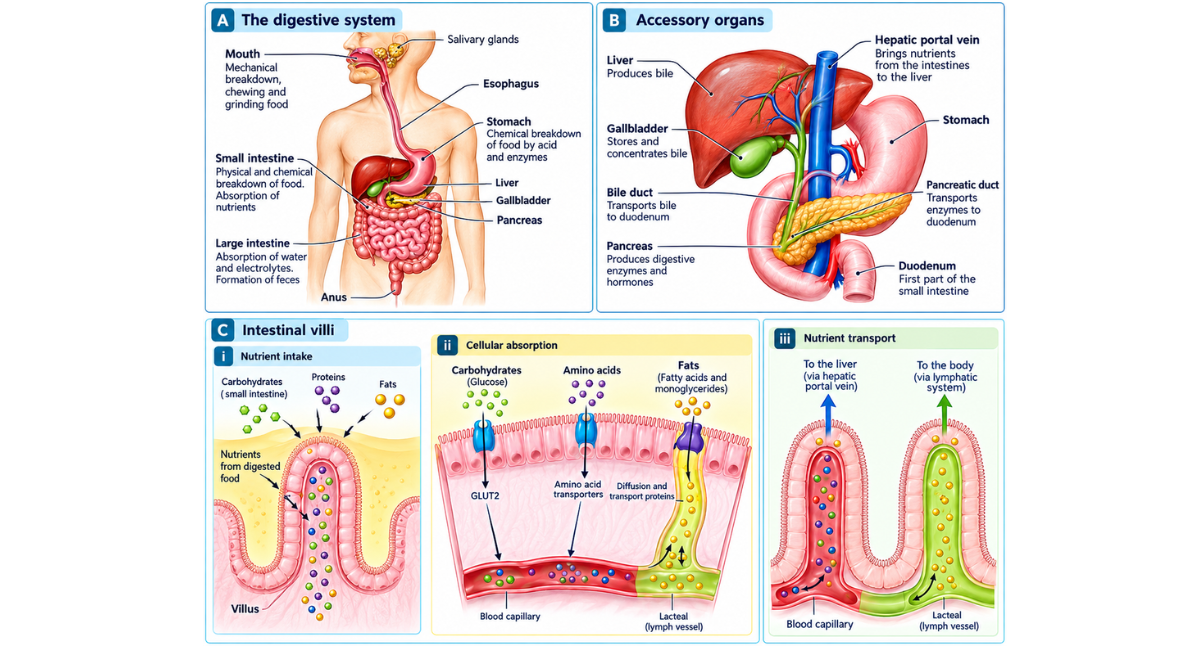
Figure 1: Physiological Barriers Limiting Oral Delivery of Biologic Therapeutics
Nanoparticle-Based Delivery Platforms for Oral Biologics
Nanotechnology has emerged as one of the most promising strategies for overcoming the formidable physiological barriers associated with oral delivery of biologic therapeutics. By encapsulating biologic molecules within nanoscale carriers, these systems protect drugs from gastric acidity and enzymatic degradation while improving mucus penetration, epithelial transport, and controlled drug release. Advances in materials science, pharmaceutical engineering, and surface functionalization have enabled the development of diverse nanoparticle platforms, each possessing unique physicochemical characteristics, drug-loading capacities, and mechanisms of intestinal absorption [6,6]. Selection of an appropriate nanocarrier depends on the molecular properties of the biologic, therapeutic target, desired release profile, and manufacturing feasibility.
Lipid Nanoparticles
Lipid nanoparticles (LNPs) are among the most extensively investigated delivery systems for biologics because of their excellent biocompatibility, biodegradability, and clinical translation potential. These carriers consist of ionizable or cationic lipids, phospholipids, cholesterol, and polyethylene glycol (PEG)-modified lipids that self-assemble into stable nanostructures capable of encapsulating proteins, peptides, and nucleic acids [8].
LNPs protect biologics from gastric degradation while facilitating intracellular delivery through endocytosis and endosomal escape. Their clinical success in mRNA vaccines has accelerated interest in adapting this technology for oral biologic delivery. Current research focuses on improving intestinal stability, enhancing mucus penetration, and optimizing epithelial uptake using ligand-targeted and pH-responsive lipid formulations [8].
Polymeric Nanoparticles
Polymeric nanoparticles are widely used because they provide excellent structural stability, controlled drug release, and flexible surface modification. Natural polymers such as chitosan, alginate, gelatin, dextran, and hyaluronic acid, together with synthetic polymers including poly (lactic-co-glycolic acid) (PLGA), polycaprolactone (PCL), and polyethyleneimine (PEI), have demonstrated considerable promise for oral biologic delivery [10].
Among these materials, chitosan has attracted particular attention because of its mucoadhesive properties and its ability to transiently loosen epithelial tight junctions, thereby enhancing paracellular transport. PLGA nanoparticles provide sustained drug release and have an established safety profile, making them attractive candidates for clinical translation [15,16].
Liposomes
Liposomes are phospholipid vesicles containing one or more lipid bilayers surrounding an aqueous core. Their structural similarity to biological membranes enables efficient encapsulation of both hydrophilic and lipophilic therapeutic agents. Liposomes protect sensitive biologics from enzymatic degradation while improving membrane interaction and cellular uptake.
Despite these advantages, conventional liposomes exhibit limited stability in the gastrointestinal tract. Recent developments including PEGylated liposomes, bile salt-containing liposomes, polymer-coated liposomes, and ligand-functionalized liposomes have significantly improved their resistance to digestive enzymes and enhanced intestinal absorption.
Solid Lipid Nanoparticles
Solid lipid nanoparticles (SLNs) combine the advantages of lipid-based carriers with improved physical stability. Their solid lipid matrix protects encapsulated biologics against chemical degradation while allowing sustained drug release. SLNs demonstrate excellent biocompatibility and relatively low toxicity, making them attractive for chronic therapeutic applications [8].
Nevertheless, limited drug-loading capacity and drug expulsion during storage remain important challenges. These limitations have stimulated the development of next-generation lipid-based systems such as nanostructured lipid carriers (NLCs), which incorporate liquid lipids to improve encapsulation efficiency and formulation stability [9].
Nanostructured Lipid Carriers
Nanostructured lipid carriers represent an evolution of solid lipid nanoparticles. Their mixed solid-liquid lipid matrix creates structural imperfections that increase drug-loading capacity while minimizing premature drug leakage during storage. NLCs also provide prolonged drug release and improved gastrointestinal stability [17].
Several experimental studies have demonstrated enhanced oral absorption of peptide drugs using NLC formulations, suggesting their potential as versatile carriers for future biologic therapeutics [18].
Dendrimers
Dendrimers are highly branched synthetic macromolecules characterized by a well-defined three-dimensional architecture and abundant surface functional groups. Their unique structure permits high drug-loading capacity together with precise surface engineering for targeted drug delivery [6].
Surface modification with polyethylene glycol, carbohydrates, peptides, or targeting ligands can reduce cytotoxicity while improving intestinal permeability and receptor-mediated uptake. Although dendrimers remain primarily at the preclinical stage, they represent an attractive platform for delivering proteins and nucleic acids orally [7].
Exosome-Inspired Nanocarriers
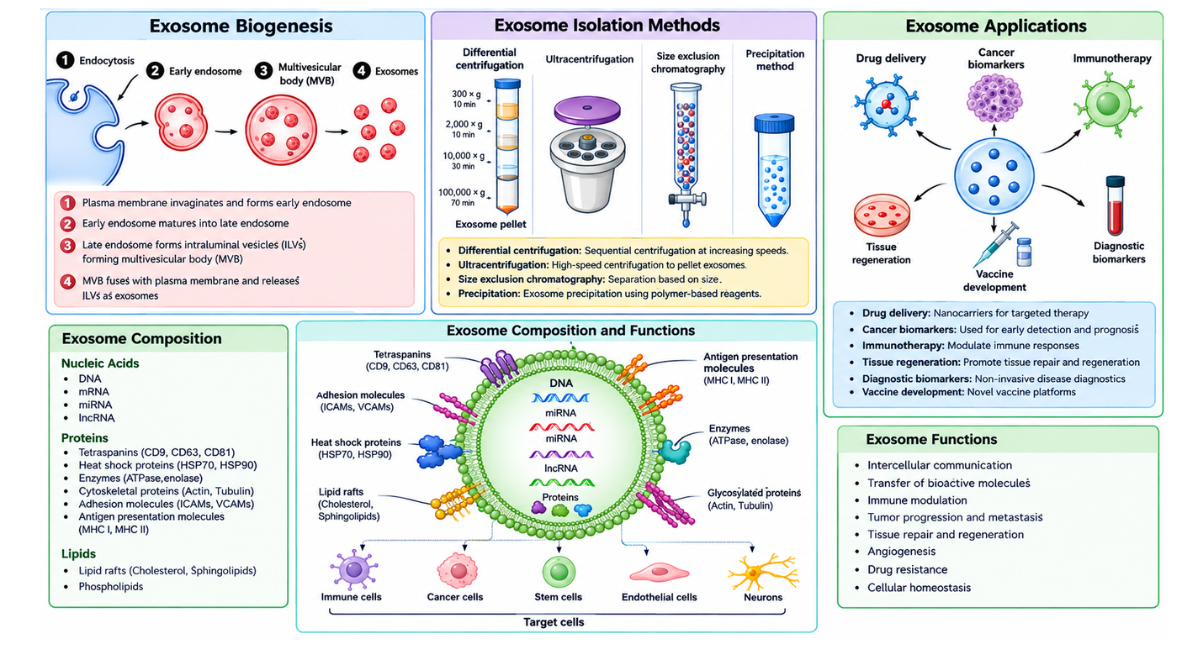
Naturally occurring extracellular vesicles, particularly exosomes, have emerged as promising biomimetic drug delivery systems. Because exosomes originate from living cells, they exhibit excellent biocompatibility, low immunogenicity, and intrinsic cell-targeting properties. These vesicles can transport proteins, nucleic acids, lipids, and signaling molecules across biological barriers [8].
Exosome-inspired nanoparticles are being engineered to improve oral delivery of biologics by combining the advantages of natural vesicles with scalable manufacturing approaches. Although significant manufacturing challenges remain, these carriers represent an exciting frontier in precision drug delivery [9].
Inorganic Nanoparticles
Inorganic nanoparticles composed of silica, gold, calcium phosphate, magnetic materials, and mesoporous structures offer exceptional mechanical strength and precisely controllable physicochemical properties. Their large surface area enables high drug-loading efficiency and facile surface functionalization [11].
However, concerns regarding long-term biocompatibility, biodegradation, tissue accumulation, and potential toxicity continue to limit their clinical application for chronic oral therapy. Ongoing research focuses on improving safety while maintaining their unique delivery capabilities [14].
Hybrid Nanoparticle Systems
Hybrid nanoparticles integrate multiple materials within a single carrier to maximize therapeutic performance. For example, lipid-polymer hybrid nanoparticles combine the structural stability of polymeric systems with the excellent biocompatibility of lipid carriers. Such multifunctional systems can simultaneously protect biologics, enhance mucus penetration, facilitate epithelial uptake, and provide controlled release [7].
Hybrid nanocarriers have demonstrated encouraging preclinical results for oral delivery of insulin, peptide hormones, and monoclonal antibodies, highlighting their potential for future clinical development.
Surface Functionalization and Targeted Delivery
Surface engineering has become an essential strategy for improving nanoparticle performance. Functionalization with polyethylene glycol, cell-penetrating peptides, lectins, vitamins, antibodies, aptamers, and receptor-specific ligands enhances mucus penetration, prolongs gastrointestinal residence time, and promotes receptor-mediated endocytosis [8].
Stimuli-responsive nanoparticles capable of releasing therapeutic cargo in response to pH, enzymes, redox potential, or temperature further improve delivery efficiency while minimizing premature drug release. These advanced systems provide opportunities for site-specific intestinal absorption and personalized drug delivery [8].
Overall, nanoparticle-based delivery platforms represent the cornerstone of efforts to convert injectable biologics into orally administered medicines. Continued advances in biomaterials, nanofabrication, and targeted delivery technologies are expected to improve oral bioavailability, therapeutic efficacy, and clinical translation, bringing patient-friendly biologic therapies closer to routine clinical practice.
|
Injectable Biologic |
Current Clinical Indications |
Major Barriers to Oral Delivery |
Nanoparticle Strategy |
Current Development Status |
|
Insulin |
Type 1 and Type 2 diabetes mellitus |
Enzymatic degradation, poor epithelial permeability, gastric instability |
Chitosan nanoparticles, PLGA nanoparticles, lipid nanoparticles, nanostructured lipid carriers (NLCs) |
Advanced preclinical studies; several clinical trials |
|
Semaglutide (GLP-1 receptor agonist) |
Type 2 diabetes mellitus, obesity |
Peptide degradation, limited intestinal absorption |
Lipid nanoparticles, polymeric nanoparticles, absorption-enhancing nanocarriers |
Oral formulation approved; next-generation nanoparticle formulations under development |
|
Liraglutide |
Type 2 diabetes mellitus, obesity |
Enzymatic degradation and poor permeability |
Polymeric nanoparticles, lipid nanocarriers |
Preclinical development |
|
Exenatide |
Type 2 diabetes mellitus |
Low oral bioavailability, enzymatic degradation |
Chitosan nanoparticles, PLGA nanoparticles |
Preclinical studies |
|
Monoclonal Antibodies |
Cancer, autoimmune diseases, inflammatory disorders |
Large molecular size, poor membrane transport, enzymatic digestion |
Receptor-targeted nanoparticles, biomimetic nanoparticles, lipid nanoparticles |
Early preclinical development |
|
Recombinant Human Growth Hormone |
Growth hormone deficiency, Turner syndrome |
Protein instability, enzymatic degradation |
Mucoadhesive polymeric nanoparticles, lipid nanoparticles |
Preclinical studies |
|
Erythropoietin |
Chronic kidney disease-associated anemia |
Poor gastrointestinal stability, limited permeability |
Polymeric nanoparticles, PEGylated nanoparticles |
Experimental stage |
|
Interferon-α / β |
Viral hepatitis, multiple sclerosis, selected cancers |
Protein degradation, short half-life |
Lipid nanoparticles, polymeric nanoparticles |
Preclinical studies |
|
Calcitonin |
Osteoporosis, Paget's disease |
Rapid enzymatic degradation |
Liposomes, polymeric nanoparticles |
Early clinical evaluation |
|
Parathyroid Hormone (PTH) |
Osteoporosis |
Poor intestinal permeability |
PLGA nanoparticles, nanostructured lipid carriers |
Preclinical studies |
|
Enzyme Replacement Therapies |
Lysosomal storage disorders |
Protein degradation, high molecular weight |
Biomimetic nanoparticles, polymeric nanoparticles |
Early experimental studies |
|
Coagulation Factors (Factor VIII/IX) |
Hemophilia A and B |
Extremely large protein size, poor absorption |
Targeted hybrid nanoparticles |
Proof-of-concept research |
|
Therapeutic Cytokines |
Cancer immunotherapy, autoimmune diseases |
Rapid degradation, systemic instability |
Lipid nanoparticles, hydrogel nanoparticles |
Experimental stage |
|
mRNA Therapeutics |
Infectious diseases, cancer vaccines, protein replacement |
Nucleic acid instability, poor gastrointestinal uptake |
Lipid nanoparticles, ionizable lipid nanoparticles |
Early research for oral delivery |
|
siRNA and Gene Therapeutics |
Rare genetic disorders, oncology |
Enzymatic degradation, intracellular delivery |
Lipid nanoparticles, exosome-inspired nanoparticles |
Preclinical development |
Table 1: Injectable Biologics with Potential for Oral Conversion Using Nanoparticle-Based Delivery Systems
Abbreviations: GLP-1, Glucagon-Like Peptide-1; PLGA, Poly (Lactic-Co-Glycolic Acid); Nlcs, Nanostructured Lipid Carriers; PEG, Polyethylene Glycol; Sirna, Small Interfering RNA; Mrna, Messenger RNA
Injectable Biologics with Oral Conversion Potential
The successful oral delivery of biologic therapeutics has become one of the most important objectives in modern pharmaceutical research. Numerous injectable biologics have demonstrated remarkable therapeutic efficacy but require frequent parenteral administration because of poor gastrointestinal stability and limited intestinal permeability. Recent advances in nanoparticle engineering have renewed interest in converting these injectable medicines into orally administered formulations capable of maintaining therapeutic effectiveness while improving patient convenience [10]. Although complete oral replacement remains challenging for many biologics, encouraging progress has been achieved across several therapeutic classes.
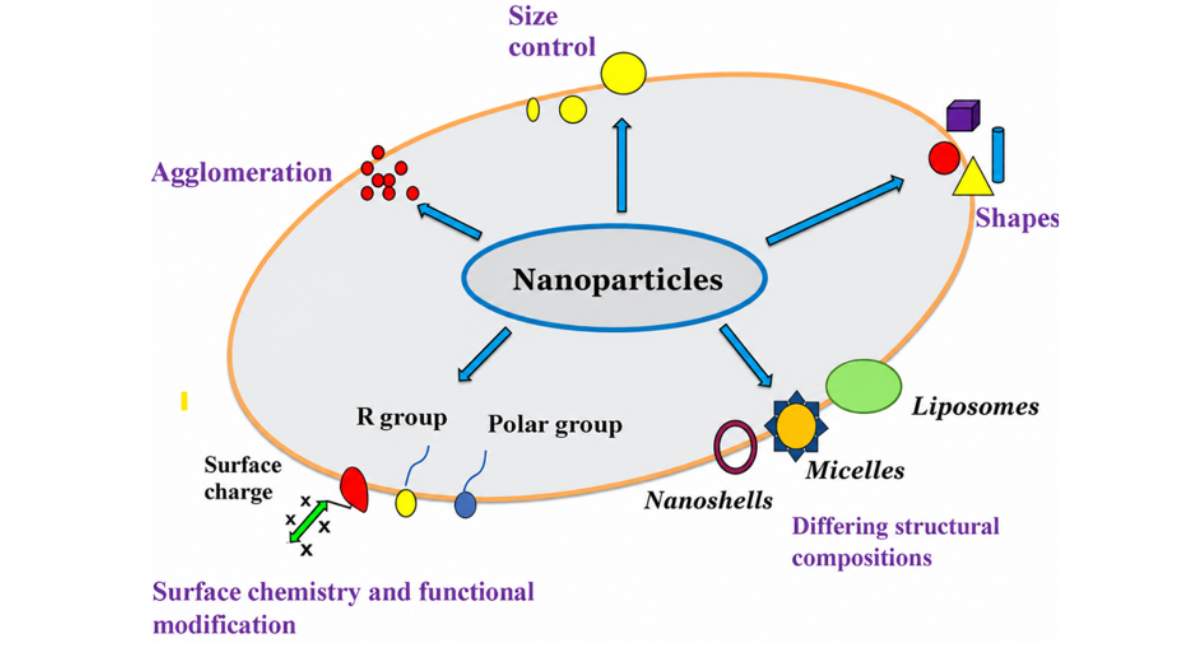
Figure 3: Injectable-to-Oral Conversion Pathway Using Nanoparticle Drug Delivery Systems
Insulin
Insulin remains the most extensively investigated biologic for oral delivery. Since its introduction more than a century ago, insulin has been administered almost exclusively by subcutaneous injection because of its rapid degradation within the gastrointestinal tract and negligible intestinal absorption. Frequent injections contribute to poor treatment adherence, needle anxiety, and reduced quality of life among individuals with diabetes mellitus.
Nanoparticle-based delivery systems have significantly improved insulin stability by protecting the hormone from gastric acid and digestive enzymes. Chitosan nanoparticles, PLGA nanoparticles, lipid nanoparticles, nanostructured lipid carriers, and pH-responsive polymeric systems have demonstrated enhanced intestinal uptake and prolonged glycemic control in experimental models [8,9]. Several oral insulin formulations have progressed to clinical evaluation, although achieving consistent bioavailability remains a major challenge.
Glucagon-Like Peptide-1 Receptor Agonists
Glucagon-like peptide-1 receptor agonists (GLP-1 RAs) have become essential therapies for type 2 diabetes mellitus and obesity. Traditionally administered by subcutaneous injection, these peptide drugs improve glycemic control, promote weight reduction, and reduce cardiovascular risk.
The successful commercialization of oral semaglutide has demonstrated that oral peptide therapy is clinically feasible when combined with absorption-enhancing technologies. Current nanoparticle research seeks to further improve oral delivery of GLP-1 receptor agonists through sustained release, enhanced intestinal transport, and improved formulation stability while minimizing variability in drug absorption [11].
Monoclonal Antibodies
Monoclonal antibodies have transformed the treatment of cancer, autoimmune diseases, inflammatory disorders, and infectious diseases. However, their large molecular size, structural complexity, and susceptibility to enzymatic degradation make oral administration particularly difficult.
Emerging nanoparticle formulations incorporating receptor-targeting ligands, Fc receptor-mediated transport strategies, and biomimetic carriers have demonstrated promising preclinical results. Although orally administered monoclonal antibodies remain in the early stages of development, advances in nanotechnology continue to expand opportunities for localized gastrointestinal therapy and eventual systemic delivery.
Growth Hormone
Recombinant human growth hormone is routinely administered through repeated subcutaneous injections for the treatment of growth hormone deficiency, Turner syndrome, chronic kidney disease, and several pediatric endocrine disorders. Long-term injection therapy often reduces treatment adherence, particularly among children and adolescents.
Polymeric nanoparticles, lipid-based carriers, and mucoadhesive delivery systems have shown encouraging results in protecting growth hormone during gastrointestinal transit while enhancing epithelial transport. Although clinical translation remains limited, these technologies provide a foundation for future oral formulations.
Erythropoietin
Erythropoietin is widely used for the management of anemia associated with chronic kidney disease, chemotherapy, and other hematological disorders. Because erythropoietin is highly sensitive to enzymatic degradation and exhibits poor membrane permeability, oral administration has historically been considered impractical.
Recent nanoparticle formulations employing biodegradable polymers, protective coatings, and receptor-targeted delivery have improved erythropoietin stability and intestinal absorption in experimental studies. Continued optimization of these systems may facilitate future clinical translation.
Interferons and Cytokine-Based Therapeutics
Interferons and other cytokines are important biologic therapies for viral infections, autoimmune diseases, and certain malignancies. Their short half-life and susceptibility to degradation necessitate repeated injections, limiting long-term patient adherence [9].
Encapsulation within polymeric nanoparticles, lipid nanocarriers, and hydrogel-based systems has demonstrated improved stability, prolonged release, and enhanced pharmacokinetic profiles. Although most research remains preclinical, these strategies illustrate the potential of nanoparticle-mediated oral cytokine delivery.
Enzyme Replacement Therapies
Enzyme replacement therapies have become standard treatment for several lysosomal storage disorders and rare inherited metabolic diseases. However, repeated intravenous infusions impose considerable physical, psychological, and economic burdens on patients and healthcare systems.
Nanoparticle-based formulations are being investigated to protect therapeutic enzymes from gastrointestinal degradation while maintaining catalytic activity after absorption. Biomimetic carriers and targeted delivery systems may further improve enzyme stability and tissue-specific distribution.
Therapeutic Proteins and Peptides
Beyond insulin and growth hormone, numerous therapeutic peptides and proteins—including parathyroid hormone, calcitonin, glucagon, oxytocin, calcitonin gene-related peptide inhibitors, and various recombinant proteins are being evaluated for oral delivery. Modern nanoparticle formulations combine enzyme inhibitors, permeation enhancers, and pH-responsive polymers to maximize gastrointestinal absorption while preserving biological activity [9].
Several multifunctional nanocarriers have demonstrated significant improvements in oral bioavailability compared with conventional formulations, supporting continued clinical development.
Emerging Biologic Modalities
Rapid advances in molecular medicine have introduced new classes of biologic therapeutics, including messenger RNA (mRNA), small interfering RNA (siRNA), CRISPR-based gene-editing systems, DNA vaccines, therapeutic oligonucleotides, and engineered extracellular vesicles [9]. Although these agents are currently administered primarily through injectable routes, nanoparticle technologies developed for nucleic acid therapeutics provide valuable insights into future oral delivery strategies.
Biomimetic nanoparticles, extracellular vesicle-inspired carriers, and intelligent stimuli-responsive delivery systems may enable safe and effective oral administration of these next-generation biologics. Artificial intelligence-assisted nanoparticle design and precision nanomedicine are expected to accelerate formulation optimization and individualized therapy [8,9].
Overall, accumulating evidence demonstrates that numerous injectable biologics possess significant potential for oral conversion when combined with advanced nanoparticle delivery platforms. While formulation stability, manufacturing scalability, regulatory approval, and consistent bioavailability remain major challenges, ongoing technological innovation continues to narrow the gap between experimental research and clinical application. The transition from injectable to oral biologic therapy has the potential to improve patient adherence, reduce healthcare costs, and fundamentally transform the future of precision medicine [10].
|
Nanoparticle Platform |
Composition |
Key Advantages |
Major Limitations |
Representative Biologic Applications |
|
Lipid Nanoparticles (LNPs) |
Ionizable lipids, phospholipids, cholesterol, PEG-lipids |
Excellent biocompatibility, protection against enzymatic degradation, efficient cellular uptake, clinically validated technology |
Limited stability in harsh gastrointestinal conditions; formulation complexity |
Insulin, mRNA therapeutics, peptide hormones, monoclonal antibodies |
|
Polymeric Nanoparticles |
PLGA, chitosan, alginate, PCL, gelatin, dextran |
Controlled drug release, high encapsulation efficiency, tunable surface properties, mucoadhesive potential |
Polymer degradation variability; possible burst release |
Insulin, erythropoietin, growth hormone, interferons |
|
Liposomes |
Phospholipid bilayer vesicles |
Encapsulate both hydrophilic and lipophilic drugs; excellent biocompatibility |
Limited gastrointestinal stability; susceptibility to bile salts and digestive enzymes |
Peptides, proteins, calcitonin, vaccines |
|
Solid Lipid Nanoparticles (SLNs) |
Solid physiological lipids |
Improved physical stability, sustained release, low toxicity |
Low drug-loading capacity; possible drug expulsion during storage |
Insulin, peptide therapeutics |
|
Nanostructured Lipid Carriers (NLCs) |
Mixture of solid and liquid lipids |
Higher drug loading, improved formulation stability, prolonged release |
More complex manufacturing process |
GLP-1 receptor agonists, insulin, therapeutic peptides |
|
Dendrimers |
Highly branched synthetic polymers |
Precise molecular architecture, high loading capacity, easy surface functionalization |
Potential cytotoxicity; expensive synthesis |
Proteins, peptides, nucleic acid therapeutics |
|
Exosome-Inspired Nanocarriers |
Natural extracellular vesicles or biomimetic vesicles |
Excellent biocompatibility, low immunogenicity, natural targeting ability |
Difficult large-scale production; purification challenges |
Proteins, mRNA, siRNA, therapeutic peptides |
|
Inorganic Nanoparticles |
Gold, silica, calcium phosphate, magnetic nanoparticles |
High structural stability, large surface area, controlled surface modification |
Long-term safety concerns; limited biodegradability |
Experimental protein and gene delivery |
|
Hybrid Nanoparticles |
Combination of lipid and polymeric materials |
Combines advantages of multiple systems; improved stability and targeting |
Complex formulation and scale-up |
Monoclonal antibodies, insulin, peptide therapeutics |
|
Stimuli-Responsive Nanoparticles |
Smart polymers responsive to pH, enzymes, temperature, or redox conditions |
Site-specific drug release, improved therapeutic precision, reduced systemic toxicity |
Higher formulation complexity; limited clinical data |
Advanced biologics, precision nanomedicine |
Table 2: Comparison of Major Nanoparticle Platforms for Oral Delivery of Biologic Therapeutics
Abbreviations: Lnps, Lipid Nanoparticles; PLGA, Poly(Lactic-Co-Glycolic Acid); PCL, Polycaprolactone; PEG, Polyethylene Glycol; Slns, Solid Lipid Nanoparticles; Nlcs, Nanostructured Lipid Carriers; GLP-1, Glucagon-Like Peptide-1; Mrna, Messenger RNA; Sirna, Small Interfering RNA
Preclinical and Clinical Progress in Nanoparticle-Enabled Oral Biologics
The development of nanoparticle-enabled oral biologics has progressed rapidly over the past decade, driven by advances in nanotechnology, pharmaceutical engineering, and translational medicine. Numerous preclinical studies have demonstrated that nanoparticles can substantially improve the oral bioavailability of therapeutic proteins, peptides, antibodies, and nucleic acid-based medicines. Although only a limited number of oral biologic formulations have reached clinical evaluation, the growing body of evidence indicates that nanoparticle-mediated delivery has significant potential to transform the future of biologic therapeutics [1,2]
Evidence from Preclinical Studies
Animal studies have consistently shown that nanoparticle formulations improve the gastrointestinal stability and systemic absorption of biologics compared with conventional oral formulations. Protective nanocarriers reduce enzymatic degradation, prolong gastrointestinal residence time, enhance epithelial transport, and provide sustained drug release, resulting in improved pharmacokinetic and pharmacodynamic profiles [3].
Rodent and non-human primate models have demonstrated enhanced oral absorption of insulin encapsulated within chitosan nanoparticles, PLGA nanoparticles, lipid nanoparticles, and nanostructured lipid carriers. These formulations produced significant reductions in blood glucose concentrations while maintaining prolonged therapeutic activity compared with free insulin [4,5].
Similarly, polymeric nanoparticles have improved the oral delivery of glucagon-like peptide-1 receptor agonists, growth hormone, erythropoietin, and interferons by increasing stability and facilitating intestinal transport. Surface-functionalized nanoparticles incorporating cell-penetrating peptides, lectins, or vitamin-mediated targeting ligands have demonstrated superior uptake across intestinal epithelial cells, highlighting the importance of active transport mechanisms in oral biologic delivery.
Recent studies have also explored biomimetic nanocarriers, including exosome-inspired vesicles and cell membrane-coated nanoparticles, which exhibit improved biocompatibility, reduced immunogenicity, and enhanced tissue targeting. These advanced delivery systems represent an emerging generation of nanomedicines capable of overcoming multiple gastrointestinal barriers simultaneously.
Clinical Progress
Despite encouraging laboratory findings, clinical translation remains challenging because oral biologics require consistent bioavailability, manufacturing reproducibility, and long-term safety. Nevertheless, important milestones have been achieved in recent years.
The successful approval of oral semaglutide represented a landmark achievement, demonstrating that peptide therapeutics can be effectively delivered by the oral route when combined with advanced absorption-enhancing technologies (109). Although semaglutide does not rely exclusively on nanoparticle delivery, its clinical success has accelerated investment in oral biologic research and validated the concept of replacing injectable peptide therapies with patient-friendly oral formulations.
Several oral insulin formulations employing nanoparticle carriers, permeation enhancers, and protective coatings have progressed through Phase I and Phase II clinical trials. While many candidates demonstrated favorable safety profiles, variability in oral absorption and relatively low bioavailability continue to limit widespread clinical implementation [10].
Additional early-phase clinical investigations are evaluating nanoparticle-based oral formulations of calcitonin, parathyroid hormone, peptide hormones, and selected biologic agents for inflammatory diseases. Although many of these candidates remain under development, preliminary findings suggest that continued optimization of formulation design may substantially improve therapeutic performance [11].
Pharmacokinetic Improvements
Nanoparticle encapsulation modifies the pharmacokinetic behavior of biologic therapeutics in several beneficial ways. Protective carriers reduce premature degradation, increase drug residence time within the gastrointestinal tract, enhance epithelial uptake, and provide sustained or controlled release after absorption [12].
Surface modification with polyethylene glycol, mucoadhesive polymers, receptor-targeting ligands, and stimuli-responsive materials further improves systemic exposure by minimizing premature clearance and maximizing intestinal transport. These approaches may also reduce dosing frequency while maintaining therapeutic concentrations over extended periods [13].
Safety and Biocompatibility
Safety remains a central consideration for oral nanoparticle formulations. Most biodegradable polymers, phospholipids, and naturally derived biomaterials exhibit favorable biocompatibility profiles. Materials such as PLGA, chitosan, alginate, and lipid nanoparticles have demonstrated acceptable safety in both experimental models and selected clinical applications [14].
However, long-term administration requires careful evaluation of nanoparticle accumulation, chronic toxicity, immunogenicity, oxidative stress, inflammatory responses, and potential alterations of the intestinal microbiome. Standardized methods for nanotoxicity assessment remain essential for regulatory approval and clinical translation [15].
Current Limitations
Despite substantial progress, several challenges continue to impede widespread clinical adoption of oral biologics. Oral bioavailability remains relatively low for many formulations because gastrointestinal physiology varies considerably among patients. Gastric emptying time, intestinal pH, mucus thickness, enzyme activity, food intake, disease state, and microbiome composition all influence therapeutic absorption.
Large-scale manufacturing also presents technical challenges. Maintaining nanoparticle uniformity, reproducibility, drug-loading efficiency, formulation stability, and cost-effective production remains difficult when transitioning from laboratory-scale preparation to industrial manufacturing.
In addition, regulatory agencies require comprehensive evaluation of product quality, long-term safety, pharmacokinetics, pharmacodynamics, and manufacturing consistency before approval of nanoparticle-based biologics. These requirements contribute to prolonged development timelines and increased research costs.
Emerging Clinical Opportunities
Recent advances in biomaterials, computational modeling, and precision medicine are expected to accelerate clinical translation. Artificial intelligence-assisted formulation design, machine learning-based optimization of nanoparticle characteristics, organ-on-chip technologies, and patient-specific drug delivery strategies are increasingly being incorporated into biologic development pipelines.
Future oral biologics may employ multifunctional nanoparticles capable of simultaneously protecting therapeutic cargo, responding to physiological stimuli, targeting specific intestinal receptors, and releasing drugs in a controlled manner according to individual patient characteristics. Such intelligent delivery systems have the potential to improve therapeutic efficacy while reducing adverse effects and treatment burden.
Overall, current evidence demonstrates substantial progress toward the development of orally administered biologic therapeutics. Although important scientific, manufacturing, and regulatory challenges remain, advances in nanoparticle engineering continue to move the field closer to routine clinical application. The transition from injectable to oral biologics is increasingly viewed not only as a technological objective but also as a realistic strategy for improving patient-centered healthcare and expanding access to advanced biological medicines.
|
Biologic Therapeutic |
Nanoparticle Platform |
Study Type |
Major Findings |
Translational Status |
|
Insulin |
Chitosan nanoparticles |
Preclinical (rodent) |
Improved intestinal absorption, prolonged hypoglycemic effect, enhanced bioavailability |
Advanced preclinical |
|
Insulin |
PLGA nanoparticles |
Preclinical |
Sustained drug release, protection from enzymatic degradation, improved glycemic control. |
Advanced preclinical |
|
Insulin |
Lipid nanoparticles (LNPs) |
Phase I/II clinical studies |
Favorable safety profile with variable oral bioavailability |
Early clinical development |
|
Semaglutide |
Absorption-enhanced oral formulation |
Phase III clinical trials |
Effective glycemic control and weight reduction; validated oral peptide therapy |
Clinically approved |
|
Exenatide |
Polymeric nanoparticles |
Preclinical |
Increased plasma drug concentration and prolonged therapeutic activity |
Experimental |
|
Liraglutide |
Nanostructured lipid carriers |
Preclinical |
Improved gastrointestinal stability and sustained drug release |
Experimental |
|
Monoclonal antibodies |
Targeted hybrid nanoparticles |
Preclinical |
Enhanced epithelial uptake and localized intestinal delivery |
Proof-of-concept |
|
Growth hormone |
Mucoadhesive polymeric nanoparticles |
Preclinical |
Increased intestinal transport and improved hormone stability |
Experimental |
|
Erythropoietin |
PEGylated polymeric nanoparticles |
Preclinical |
Enhanced protection against gastrointestinal degradation |
Experimental |
|
Interferon-α |
Lipid nanoparticles |
Preclinical |
Sustained release with improved pharmacokinetic profile |
Experimental |
|
Calcitonin |
Liposomes |
Early clinical studies |
Moderate improvement in oral bioavailability |
Early clinical evaluation |
|
Parathyroid hormone |
PLGA nanoparticles |
Preclinical |
Improved systemic exposure and prolonged therapeutic action |
Experimental |
|
Therapeutic enzymes |
Biomimetic nanoparticles |
Preclinical |
Preserved enzyme activity after gastrointestinal transit |
Experimental |
|
mRNA therapeutics |
Ionizable lipid nanoparticles |
Proof-of-concept |
Demonstrated feasibility of oral nucleic acid delivery in animal studies |
Early research |
|
siRNA therapeutics |
Exosome-inspired nanoparticles |
Proof-of-concept |
Enhanced intracellular delivery and improved biological stability |
Early research |
Table 3: Representative Preclinical and Clinical Studies of Nanoparticle-Based Oral Biologic Therapeutics
Translational Challenges: Manufacturing, Regulatory Approval, Safety, and Commercialization
Despite remarkable advances in nanoparticle engineering and encouraging preclinical outcomes, the successful translation of orally administered biologics from laboratory research to routine clinical practice remains a formidable challenge. The journey from proof-of-concept studies to regulatory approval involves overcoming scientific, technological, manufacturing, regulatory, economic, and clinical barriers. Addressing these challenges is essential for realizing the full therapeutic potential of nanoparticle-enabled oral biologics [12,13].
Manufacturing and Scale-Up Challenges
Although numerous nanoparticle formulations demonstrate promising laboratory performance, large-scale manufacturing remains one of the greatest obstacles to commercialization. Industrial production requires highly reproducible fabrication methods capable of generating nanoparticles with consistent particle size, morphology, surface charge, encapsulation efficiency, and drug release characteristics.
Minor variations in manufacturing parameters—including mixing speed, temperature, solvent composition, and purification methods—can significantly alter nanoparticle properties and therapeutic performance. Therefore, robust quality-by-design (QbD) strategies and process analytical technologies are increasingly being incorporated into pharmaceutical manufacturing to ensure batch-to-batch consistency.
In addition, many laboratory-scale preparation techniques are difficult to adapt for commercial production because of their complexity, high production costs, and limited scalability. Continuous manufacturing technologies, microfluidic systems, and automated nanoparticle fabrication platforms are emerging as promising solutions for industrial-scale production [5].
Formulation Stability
Maintaining long-term formulation stability is another critical requirement for successful commercialization. Biologic molecules are inherently sensitive to environmental conditions, including temperature, moisture, oxidation, mechanical stress, and pH fluctuations. During storage, proteins may undergo denaturation, aggregation, deamidation, oxidation, or fragmentation, resulting in reduced biological activity.
Nanoparticle formulations must therefore provide adequate protection throughout manufacturing, storage, transportation, and administration. Freeze-drying (lyophilization), spray drying, cryoprotectants, and optimized excipient formulations are widely investigated to improve storage stability while preserving nanoparticle integrity and drug activity.
Regulatory Considerations
The regulatory evaluation of nanoparticle-enabled biologics remains more complex than that of conventional pharmaceuticals. Because nanoparticles possess unique physicochemical properties that directly influence therapeutic performance, regulatory agencies require comprehensive characterization beyond traditional pharmaceutical testing.
Evaluation typically includes particle size distribution, morphology, surface chemistry, encapsulation efficiency, release kinetics, biodistribution, pharmacokinetics, immunogenicity, nanotoxicology, manufacturing reproducibility, and long-term stability. International regulatory organizations continue to develop harmonized guidelines for nanomedicine products, although standardized assessment frameworks remain under active development.
Early interaction between developers and regulatory authorities can facilitate efficient clinical development by identifying critical quality attributes and establishing appropriate manufacturing and quality-control strategies.
Safety and Nanotoxicology
Safety remains the highest priority for oral nanoparticle formulations. Although many biodegradable materials such as PLGA, chitosan, alginate, phospholipids, and naturally derived polymers exhibit favorable biocompatibility, every nanoparticle formulation requires rigorous toxicological evaluation before clinical use.
Potential safety concerns include nanoparticle accumulation within tissues, oxidative stress, inflammatory responses, complement activation, unintended immune stimulation, alterations in intestinal barrier integrity, and disruption of the gut microbiome. Chronic administration may present additional risks that cannot be fully predicted from short-term experimental studies.
Consequently, standardized protocols for nanotoxicity testing, biodistribution studies, and long-term safety monitoring remain essential components of translational research.
Clinical Trial Design
Designing clinical trials for oral biologics presents unique challenges because therapeutic performance depends on multiple physiological variables. Differences in gastric emptying, intestinal transit, food intake, gastrointestinal pH, microbiota composition, age, disease status, and concomitant medications may substantially influence oral drug absorption [3].
Future clinical studies should incorporate biomarker-guided patient stratification, standardized dosing protocols, and pharmacokinetic modeling to better understand interpatient variability. Adaptive clinical trial designs may further accelerate evaluation while improving the efficiency of therapeutic development [5].
Economic Considerations
Economic feasibility represents another important determinant of successful commercialization. Nanoparticle fabrication often requires specialized materials, sophisticated manufacturing equipment, and complex quality-control procedures, increasing production costs compared with conventional pharmaceutical formulations.
Nevertheless, widespread adoption of oral biologics may reduce long-term healthcare expenditures by minimizing hospital visits, reducing nursing requirements for injectable therapies, improving medication adherence, and decreasing treatment-related complications. Comprehensive pharmacoeconomic analyses will therefore be essential for demonstrating overall healthcare value.
Intellectual Property and Commercialization
Rapid innovation in nanotechnology has generated substantial intellectual property activity. Pharmaceutical companies continue to invest heavily in proprietary nanoparticle formulations, surface modification technologies, and targeted drug delivery platforms. Strong patent protection encourages innovation while facilitating partnerships between academic institutions, biotechnology companies, and pharmaceutical manufacturers.
Commercial success, however, will depend not only on scientific innovation but also on regulatory approval, manufacturing scalability, cost-effectiveness, market acceptance, reimbursement strategies, and physician confidence in novel oral biologic therapies.
Future Regulatory Landscape
As nanomedicine continues to evolve, regulatory frameworks are expected to become increasingly sophisticated. Greater international collaboration among regulatory agencies, academic researchers, and industry stakeholders may facilitate standardized testing procedures and accelerate product approval [4].
The integration of artificial intelligence, digital manufacturing, real-time quality monitoring, and advanced analytical technologies may further improve manufacturing efficiency while ensuring consistent product quality and patient safety.
Toward Clinical Translation
Successful translation of nanoparticle-enabled oral biologics will require multidisciplinary collaboration among pharmaceutical scientists, clinicians, engineers, toxicologists, regulatory
experts, and industrial partners. Advances in biomaterials, intelligent nanocarriers, computational modeling, and precision medicine are gradually overcoming long-standing barriers that have historically limited oral delivery of biologics.
Future research should prioritize scalable manufacturing methods, standardized regulatory evaluation, long-term safety assessment, patient-centered formulation design, and cost-effective production strategies. These efforts will be critical for transforming promising laboratory technologies into clinically available oral biologic medicines.
Overall, nanoparticle-enabled oral biologics are approaching an important stage of translational development. Although scientific and regulatory challenges remain substantial, continued technological innovation, strategic industrial investment, and collaborative international research are expected to accelerate clinical implementation over the coming decade.
|
Challenge |
Impact on Oral Biologic Delivery |
Current Strategies |
Future Research Directions |
|
Gastrointestinal degradation |
Acidic pH and digestive enzymes rapidly degrade biologics before absorption. |
Enteric coatings, enzyme inhibitors, protective nanoparticle encapsulation |
Multi-layer protective nanocarriers with enhanced gastrointestinal stability |
|
Poor intestinal permeability |
Limited transport across intestinal epithelium reduces systemic bioavailability. |
Mucoadhesive polymers, permeation enhancers, receptor-targeted nanoparticles |
Biomimetic and receptor-specific intelligent nanocarriers |
|
Mucus barrier |
Restricts diffusion of nanoparticles toward epithelial cells. |
PEGylation, mucus-penetrating nanoparticles, optimized particle size |
Smart nanoparticles with adaptive mucus-penetrating properties |
|
Low oral bioavailability |
Inconsistent therapeutic exposure and variable clinical response. |
Controlled-release systems, lipid nanoparticles, polymeric nanocarriers |
AI-optimized nanoparticle formulations for personalized absorption |
|
Formulation instability |
Protein denaturation during manufacturing and storage. |
Lyophilization, stabilizing excipients, optimized lipid/polymer composition |
Highly stable multifunctional nanoplatforms with extended shelf life |
|
Manufacturing scalability |
Difficulty translating laboratory formulations into industrial production. |
Continuous manufacturing, Quality-by-Design (QbD), microfluidic technologies |
Automated large-scale nanoparticle production with real-time quality monitoring |
|
Batch-to-batch variability |
Inconsistent therapeutic performance. |
Standardized manufacturing protocols and advanced analytical characterization |
AI-assisted process control and predictive manufacturing systems |
|
Long-term safety |
Potential nanoparticle accumulation, immunogenicity, and chronic toxicity. |
Comprehensive nanotoxicology studies and biodegradable biomaterials |
Long-term clinical surveillance and real-world safety monitoring |
|
Regulatory complexity |
Lack of harmonized international evaluation standards. |
Early regulatory engagement and standardized characterization methods |
Global harmonization of nanomedicine regulatory guidelines |
|
Clinical translation |
Limited human clinical evidence compared with preclinical studies. |
Well-designed Phase I–III clinical trials and translational research programs |
Large multicenter international trials with standardized endpoints |
|
Commercialization |
High development costs and uncertain reimbursement pathways. |
Academic–industry partnerships and health economic evaluations |
Cost-effective manufacturing and broader healthcare accessibility |
|
Precision medicine integration |
Individual variability influences therapeutic outcomes. |
Biomarker-guided therapy and patient stratification |
AI-driven precision nanomedicine and personalized oral biologic formulations |
Table 4: Translational Challenges, Proposed Solutions, and Future Directions for Nanoparticle-Enabled Oral Biologic Therapeutics
Abbreviations: AI, artificial intelligence; PEG, polyethylene glycol; QbD, Quality-by-Design.
Future Perspectives
The field of oral biologic drug delivery is evolving rapidly, with advances in nanotechnology, biomaterials, artificial intelligence (AI), and precision medicine driving the development of next-generation therapeutic platforms. Although significant scientific and translational challenges remain, recent innovations indicate that the long-standing dependence on injectable biologics may gradually diminish. Future research is expected to focus on designing intelligent, multifunctional nanoparticle systems capable of overcoming gastrointestinal barriers while providing safe, efficient, and reproducible oral drug delivery [6,7].
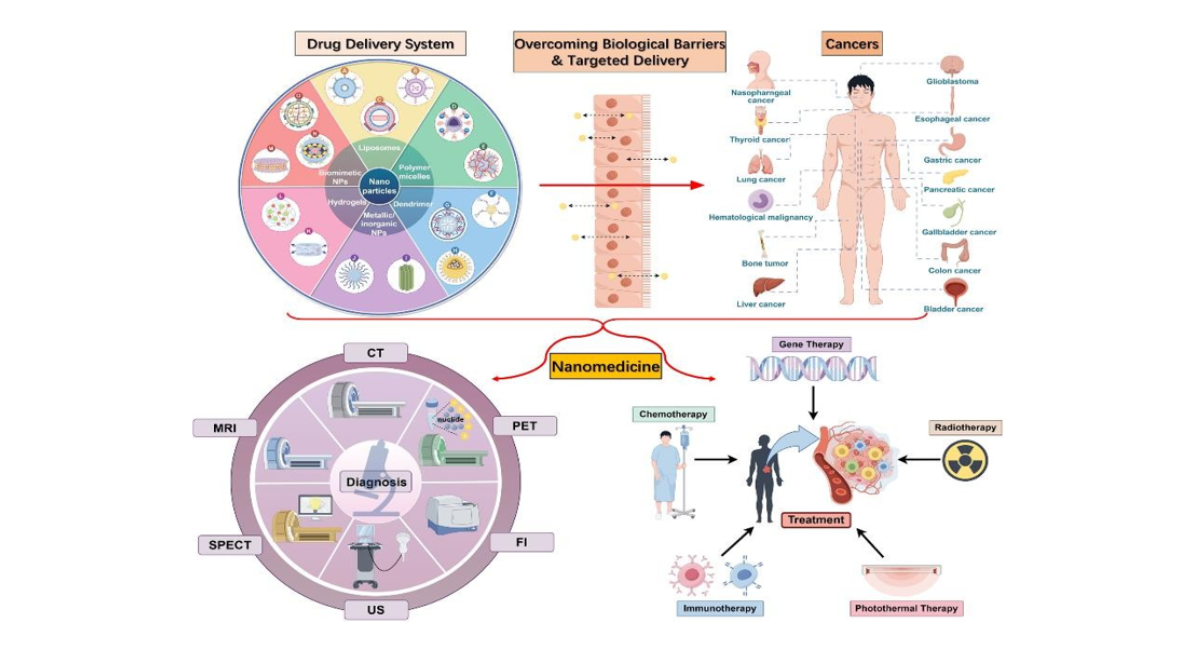
Figure 4: Future Roadmap for Nanoparticle-Enabled Oral Biologic Therapeutics
Intelligent Nanoparticle Systems
Conventional nanoparticles primarily protect biologics from degradation and improve intestinal absorption. Future delivery platforms are expected to incorporate multiple functions within a single nanocarrier. Intelligent nanoparticles capable of responding to environmental stimuli—including pH, temperature, enzymes, oxidative stress, and inflammatory mediators—can release therapeutic cargo selectively within specific regions of the gastrointestinal tract.
Stimuli-responsive systems may improve therapeutic precision while minimizing premature drug release and systemic adverse effects. Multifunctional nanocarriers combining mucoadhesion, mucus penetration, receptor targeting, and controlled drug release are likely to become increasingly important for oral biologic delivery.
Biomimetic Drug Delivery
Biomimetic nanotechnology has emerged as one of the most promising directions for oral biologics. Cell membrane-coated nanoparticles, extracellular vesicles, and exosome-inspired carriers closely resemble natural biological structures, allowing them to evade immune recognition while improving cellular uptake and tissue targeting [5].
These biologically inspired systems may enhance intestinal transport, reduce immunogenicity, and improve long-term safety compared with synthetic nanocarriers. Continued advances in exosome engineering and scalable manufacturing may facilitate their future clinical application [15].
Artificial Intelligence and Machine Learning
Artificial intelligence is increasingly transforming pharmaceutical research and formulation development. Machine learning algorithms can rapidly analyze large experimental datasets to predict optimal nanoparticle composition, particle size, surface charge, encapsulation efficiency, and release kinetics.
AI-assisted formulation design has the potential to reduce development time, improve manufacturing efficiency, and identify formulation parameters that maximize oral bioavailability. Computational modeling may also support individualized treatment by predicting patient-specific responses based on physiological and pharmacokinetic characteristics.
Precision Nanomedicine
Future oral biologic therapies are expected to move toward personalized treatment strategies. Precision nanomedicine integrates genomic, proteomic, metabolomic, and clinical information to optimize therapeutic selection for individual patients.
Customized nanoparticle formulations tailored to disease characteristics, genetic profiles, and gastrointestinal physiology may improve treatment efficacy while minimizing adverse effects. Personalized oral biologics could become particularly valuable for chronic diseases requiring long-term therapy, including diabetes, inflammatory bowel disease, autoimmune disorders, and cancer.
Gene and RNA Therapeutics
Rapid progress in gene-editing technologies has expanded the therapeutic potential of biologics beyond conventional proteins and peptides. Messenger RNA (mRNA), small interfering RNA (siRNA), antisense oligonucleotides, CRISPR-Cas gene-editing systems, and DNA therapeutics represent important emerging treatment modalities.
Nanoparticle platforms originally developed for nucleic acid delivery are being adapted for oral administration, although significant challenges related to stability and intestinal absorption remain. Continued innovation in biomaterials and targeted delivery technologies may eventually enable oral gene therapies for selected diseases.
Microbiome-Responsive Drug Delivery
Growing evidence indicates that the intestinal microbiome plays an important role in drug metabolism and therapeutic response. Future nanoparticle systems may exploit microbiome-derived enzymes or microbial metabolites to trigger site-specific drug release within the gastrointestinal tract.
Microbiome-responsive formulations could improve therapeutic precision while reducing systemic exposure and treatment-related toxicity. Further research is required to understand the complex interactions among nanoparticles, intestinal microorganisms, and host physiology.
Sustainable Pharmaceutical Manufacturing
Environmental sustainability is becoming an increasingly important consideration in pharmaceutical development. Future manufacturing strategies are expected to emphasize biodegradable materials, environmentally friendly solvents, continuous manufacturing technologies, and energy-efficient production processes (160). Green nanotechnology may reduce environmental impact while maintaining high product quality and manufacturing efficiency, contributing to more sustainable pharmaceutical innovation [6].
Regulatory Harmonization
As oral biologics advance toward commercialization, international harmonization of regulatory standards will become increasingly important. Standardized guidelines for nanoparticle characterization, quality control, safety assessment, pharmacokinetic evaluation, and manufacturing practices will facilitate global product development and regulatory approval.
Collaboration among regulatory agencies, academic institutions, healthcare professionals, and pharmaceutical manufacturers will accelerate translation while ensuring patient safety and product quality.
Clinical Translation
The successful transition of oral biologics into routine clinical practice will depend on integrating advances in nanotechnology with clinical medicine, pharmaceutical engineering, and regulatory science. Future research should prioritize large-scale clinical trials, long-term safety monitoring, standardized manufacturing protocols, and cost-effectiveness analyses.
Particular emphasis should be placed on chronic diseases where replacement of injectable therapies with oral formulations would substantially improve patient adherence, quality of life, and healthcare efficiency.
Outlook
Over the next decade, continued innovation in nanoparticle engineering, biomaterials, artificial intelligence, and precision medicine is expected to transform oral biologic drug delivery. Intelligent multifunctional nanocarriers capable of protecting biologics, enhancing intestinal absorption, and providing targeted therapeutic release may significantly reduce dependence on injectable medicines.
Although important scientific, regulatory, and commercial challenges remain, the convergence of nanotechnology, computational science, and molecular medicine is steadily bringing oral biologics closer to clinical reality. Future multidisciplinary collaboration among pharmaceutical scientists, clinicians, engineers, regulatory agencies, and industry partners will be essential for translating these promising technologies into safe, effective, and accessible therapies for patients worldwide.
CONCLUSION
The conversion of injectable biologics into orally administered medicines represents one of the most significant and ambitious goals in contemporary pharmaceutical science. Although biologic therapeutics have transformed the management of diabetes, cancer, autoimmune diseases, endocrine disorders, and numerous rare conditions, their dependence on parenteral administration continues to present substantial challenges for patients, healthcare providers, and healthcare systems. Frequent injections are associated with discomfort, needle-related anxiety, reduced treatment adherence, increased healthcare costs, and diminished quality of life, emphasizing the need for patient-friendly alternatives.
Nanoparticle-based drug delivery systems have emerged as powerful platforms capable of addressing the multiple physiological barriers that have historically prevented effective oral administration of biologics. Lipid nanoparticles, polymeric nanoparticles, liposomes, nanostructured lipid carriers, dendrimers, biomimetic vesicles, and hybrid nanocarriers have demonstrated considerable potential to protect biologic molecules from gastrointestinal degradation, enhance intestinal permeability, facilitate targeted cellular uptake, and provide controlled drug release. Collectively, these technologies have substantially improved oral bioavailability in experimental studies and have accelerated the clinical development of several promising therapeutic candidates.
Despite these encouraging advances, significant challenges remain before oral biologics can become standard clinical therapies. Manufacturing scalability, formulation stability, reproducible large-scale production, regulatory harmonization, long-term safety evaluation, and cost-effective commercialization continue to limit widespread clinical implementation. Addressing these issues will require close collaboration among pharmaceutical scientists, clinicians, biomaterials engineers, regulatory authorities, and the pharmaceutical industry to establish standardized development pathways and ensure consistent product quality.
Emerging innovations—including biomimetic nanocarriers, stimuli-responsive delivery systems, artificial intelligence-assisted formulation design, precision nanomedicine, and advanced manufacturing technologies—are expected to further improve the efficiency and reliability of oral biologic delivery. These multidisciplinary advances may accelerate the translation of laboratory discoveries into clinically approved medicines while supporting individualized therapeutic strategies for a broad range of chronic diseases.
In conclusion, nanoparticle-enabled oral delivery has the potential to fundamentally redefine the future of biologic therapeutics. Although several scientific and regulatory challenges remain, continuous progress in nanotechnology, pharmaceutical engineering, and translational medicine is steadily narrowing the gap between experimental research and routine clinical practice.
Continued innovation and international collaboration will be essential for transforming injectable biologics into safe, effective, accessible, and patient-centered oral medicines, ultimately improving therapeutic outcomes and enhancing global healthcare delivery.
ACKNOWLEDGMENT’S
The authors sincerely acknowledge the guidance, encouragement, and valuable support received throughout the preparation of this manuscript. We express our deepest gratitude to Prof. Dr. Naweed Imam Syed, Department of Cell Biology, University of Calgary, Canada, for his expert advice, constructive suggestions, and continuous mentorship during the development of this work. His scientific insight and thoughtful guidance greatly contributed to the quality and direction of this manuscript.
The authors also appreciate the contributions of colleagues and collaborators whose discussions and professional feedback helped improve the scientific content of this review.
CONFLICT OF INTEREST
The authors declare that there are no conflicts of interest regarding the publication of this manuscript.
FUNDING AND FINANCIAL SUPPORT
The authors received no financial support, grant, or funding from any public, commercial, or not-for-profit organization for the research, authorship, or publication of this manuscript.
REFERENCES
- Mitchell MJ, Billingsley MM, Haley RM, Wechsler ME, Peppas NA, Langer R. Engineering precision nanoparticles for drug delivery. Nature reviews drug discovery. 2021;20(2):101-24.Hou X, Zaks T, Langer R, Dong Lipid nanoparticles for mRNA delivery. Nat Rev Mater. 2021;6(12):1078-1094. doi:10.1038/s41578-021-00358-0. [Crossref] [Google Scholar] [PubMed]
- Anselmo AC, Mitragotri S. Nanoparticles in the clinic: An update post COVID‐19 vaccines. Bioengineering & translational medicine. 2021;6(3):e10246. [Crossref] [Google Scholar] [PubMed]
- Anselmo AC, Mitragotri S. Nanoparticles in the clinic: An update post COVID‐19 vaccines. Bioengineering & translational medicine. 2021 ;6(3):e10246. [Crossref] [Google Scholar] [PubMed]
- Cunnane SC, Trushina E, Morland C, Prigione A, Casadesus G, Andrews ZB, Beal MF, Bergersen LH, Brinton RD, De La Monte S, Eckert A. Brain energy rescue: an emerging therapeutic concept for neurodegenerative disorders of ageing. Nature reviews Drug discovery. 2020 ;19(9):609-33. [Crossref] [Google Scholar] [PubMed]
- Spena F. Investigation of natural-derived materials as substitutes for synthetic ingredients in cosmetic formulations. [Crossref] [Google Scholar]
- Fotooh Abadi L, Damiri F, Zehravi M, Joshi R, Pai R, Berrada M, Massoud EE, Rahman MH, Rojekar S, Cavalu S. Novel nanotechnology-based approaches for targeting HIV reservoirs. Polymers. 2022;14(15):3090. [Crossref] [Google Scholar]
- Wang L, Zhang L. Research progress on the ‘all-in-one’photothermal platform prepared based on polydopamine for tumor synergy therapy. Polymer Bulletin. 2025 ;82(2):375-95. [Crossref] [Google Scholar]
- Rizvi SF, Zhang H, Fang Q. Engineering peptide drug therapeutics through chemical conjugation and implication in clinics. Medicinal Research Reviews. 2024 ;44(6):2420-71. [Crossref] [Google Scholar]
- Zhang MQ, Lan JS, Li Z, Yang SQ, Gu DH, Nie WL, Ding Y, Zhang T. Ferroptosis meets biomimetic nano-systems: A novel strategy for targeted cancer therapy. Cell Biomaterials. 2025 May 27;1(4). [Crossref] [Google Scholar]
- Haley RM, Padilla MS, El-Mayta RD, Joseph RA, Weber JA, Figueroa-Espada CG, Mukalel AJ, Ricciardi AS, Palanki R, Geisler HC, Jester MT. Lipid nanoparticles for in vivo lung delivery of CRISPR-Cas9 ribonucleoproteins allow gene editing of clinical targets. ACS nano. 2025;19(14):13790-804. [Crossref] [Google Scholar]
- Arral ML, Whitehead KA. Design principles of lipid nanoparticles for RNA delivery. Nature Reviews Bioengineering. 2026 ;4(5):417-34. [Crossref] [Google Scholar]
- kumar Jangid A, Dev R, Sharma S, Bhatnagar P. REVOLUTIONIZING THERAPEUTICS: ADVANCES, CHALLE-NGES, AND FUTURE HORIZONS IN CONTROLLED RELEASE DRUG DELIVERY SYSTEMS. Current Research in Pharmaceutical Sciences. 2025 :20-39. [Crossref] [Google Scholar] [PubMed]
- Shi J, Kantoff PW, Wooster R, Farokhzad OC. Cancer nanomedicine: progress, challenges and opportunities. Nature reviews cancer. 2017 ;17(1):20-37. [Crossref] [Google Scholar] [PubMed]
- Soni R, Verma D, Chopra R, Singh V, Goswami D. Demystifying intricate factors of nutritional anemia beyond iron deficiency-A narrative review. Clinical Nutrition ESPEN. 2025. [Crossref] [Google Scholar] [PubMed]
- Liao Y, Li Z, Zhou Q, Sheng M, Qu Q, Shi Y, Yang J, Lv L, Dai X, Shi X. Saponin surfactants used in drug delivery systems: A new application for natural medicine components. International journal of pharmaceutics. 2021;603:120709. [Crossref] [Google Scholar]
- Martins AC, Albericio F, de la Torre BG. FDA Approvals of Biologics in 2022. Biomedicines. 2023 ;11(5):1434. [Crossref] [Google Scholar]
- Kocagoz Y, Erdogan NS, Ozdinc S, Ipekgil D, Katkat E, Ozhan G. Notum1a Inhibition promotes neurogenesis in the adult zebrafish brain. Scientific Reports. 2025 ;16(1):3824. [Crossref] [Google Scholar]
- Zheng YZ, Wang YC, Qi HM, Gao J, Li ZS, Liao Z, Zou WB. Advancing gene therapy for pancreatitis: From genetic insights to clinical translation. Research. 2026 ;9:1154. [Crossref] [Google Scholar]
- Zheng YZ, Wang YC, Qi HM, Gao J, Li ZS, Liao Z, Zou WB. Advancing gene therapy for pancreatitis: From genetic insights to clinical translation. Research. 2026 ;9:1154. [Crossref] [Google Scholar]