
Journal of Clinical and Transnational Medical Sciences

ABSTRACT
Healthcare systems worldwide are facing unprecedented challenges due to the growing prevalence of chronic diseases, aging populations, increasing healthcare expenditures, and fragmented models of patient care. Traditional medical education has historically emphasized disease diagnosis and pharmacological management rather than identifying the underlying biological, environmental, and lifestyle factors contributing to illness. Functional medicine education has emerged as an innovative educational framework that equips healthcare professionals with systems-based thinking, personalized patient assessment, nutrition science, behavioral medicine, environmental health, and preventive strategies. This review explores how functional medicine education has the potential to transform healthcare delivery by improving clinical decision-making, promoting interdisciplinary collaboration, enhancing patient engagement, and emphasizing prevention rather than disease treatment alone. Relevant literature published during the past decade was reviewed using major biomedical databases. Studies consistently demonstrate that healthcare professionals receiving functional medicine training report improved confidence in managing chronic diseases, greater emphasis on lifestyle interventions, and higher patient satisfaction. Although evidence supporting clinical outcomes continues to expand, significant challenges remain, including limited integration into conventional medical curricula, insufficient standardized educational frameworks, and the need for high-quality randomized trials evaluating educational effectiveness. Future educational reforms integrating evidence-based functional medicine principles into undergraduate, postgraduate, and continuing professional education may contribute to more sustainable healthcare systems. Functional medicine education should complement rather than replace conventional evidence-based medicine by promoting comprehensive patient-centered care supported by scientific research.
Keywords: Functional Medicine; Medical Education; Lifestyle Medicine; Personalized Healthcare; Chronic Disease; Preventive Medicine
INTRODUCTION
Chronic diseases, including cardiovascular disease, diabetes mellitus, obesity, autoimmune disorders, cancer, and neurodegenerative diseases, remain the leading causes of morbidity and mortality worldwide despite major advances in diagnostic technologies and pharmacological therapies [1,2]. Conventional medical education has traditionally emphasized disease diagnosis and treatment, with comparatively less focus on preventive medicine, nutrition, lifestyle modification, environmental exposures, and the complex biological interactions that contribute to chronic illness [3,4].
Functional medicine has emerged as a systems-oriented clinical approach that seeks to identify and address the underlying causes of disease by considering genetic, environmental, nutritional, metabolic, and psychosocial factors that influence health [5]. Rather than treating isolated symptoms, functional medicine encourages clinicians to evaluate the interconnectedness of body systems and develop individualized management strategies that complement evidence-based conventional care [6]. While some aspects of functional medicine remain controversial due to varying levels of supporting evidence, its emphasis on patient-centered care, nutrition, and lifestyle interventions overlaps with established principles of preventive and lifestyle medicine.
Healthcare professionals increasingly recognize that chronic diseases often arise from multiple interacting factors, including poor nutrition, sedentary lifestyles, chronic stress, inadequate sleep, environmental toxins, and alterations in the gut microbiome [7,8]. Consequently, medical education is gradually evolving toward curricula that incorporate nutrition science, behavioral medicine, evidence-based lifestyle interventions, and shared decision-making to better prepare clinicians for managing complex chronic conditions [9].
Functional medicine education aims to equip physicians, pharmacists, nurses, dietitians, and other healthcare professionals with competencies in systems biology, clinical nutrition, personalized medicine, environmental health, and motivational interviewing. These educational programs encourage comprehensive patient assessments that extend beyond disease-specific protocols and integrate clinical evidence with individualized care planning [10,11].
Several educational studies suggest that integrating evidence-based, clinically relevant training into medical curricula improves healthcare professionals' knowledge, critical thinking, and confidence in managing chronic diseases. However, standardized competency frameworks and robust evaluations of functional medicine education remain limited, highlighting the need for additional high-quality research before widespread curricular adoption [12,13].
Therefore, this review examines the current evidence regarding functional medicine education, its potential to transform healthcare delivery, existing implementation challenges, and future opportunities for integrating systems-based, evidence-informed educational approaches into modern healthcare training.
LITERATURE REVIEW
The prevalence of chronic non-communicable diseases has increased substantially over the past two decades, creating significant challenges for healthcare systems worldwide. Conditions such as cardiovascular disease, diabetes mellitus, obesity, chronic kidney disease, and autoimmune disorders are influenced by complex interactions among genetic, environmental, nutritional, behavioral, and psychosocial factors. Although conventional medical education has successfully advanced disease diagnosis and treatment, critics argue that it provides limited emphasis on prevention, lifestyle modification, and the identification of root causes of chronic illness [14,15].
Functional medicine has emerged as a systems-oriented approach that seeks to understand the biological networks underlying health and disease. Rather than focusing exclusively on disease-specific treatment, functional medicine emphasizes individualized patient assessment, integrating information related to nutrition, physical activity, sleep quality, environmental exposures, gut microbiota, stress, and genetic predisposition into clinical decision-making [16,17]. This comprehensive framework aligns with the growing recognition that chronic diseases result from multiple interacting determinants rather than isolated pathological processes.
Education plays a pivotal role in translating functional medicine principles into clinical practice. Several medical schools and continuing professional development programs have expanded their curricula to include nutrition science, lifestyle medicine, behavioral counseling, and patient-centered communication. Research indicates that healthcare professionals receiving structured education in these areas demonstrate greater confidence in counseling patients regarding dietary modification, exercise, stress management, and preventive healthcare strategies [18,19].
Improved educational preparation has also been associated with increased clinician satisfaction and stronger therapeutic relationships with patients.
Nutrition education represents one of the most extensively studied components of functional medicine training. Historically, nutrition has occupied a relatively small portion of undergraduate medical curricula despite its importance in preventing and managing chronic diseases. Recent systematic reviews have shown that enhanced nutrition education improves physicians' knowledge, confidence, and frequency of dietary counseling during clinical practice [20].
Healthcare providers trained in evidence-based nutritional interventions are more likely to recommend healthy dietary patterns, weight management strategies, and individualized nutritional plans, contributing to improved patient outcomes.
Lifestyle medicine shares considerable overlap with functional medicine education. Lifestyle medicine focuses on six evidence-based pillars: healthy nutrition, regular physical activity, restorative sleep, stress management, avoidance of harmful substances, and positive social relationships. Numerous randomized clinical trials have demonstrated that these interventions can prevent or improve hypertension, type 2 diabetes, obesity, dyslipidemia, and cardiovascular disease [21]. Consequently, incorporating lifestyle medicine principles into functional medicine education enhances clinicians' ability to deliver comprehensive preventive care.
Growing evidence also highlights the importance of the gut microbiome in maintaining human health. Advances in microbiome research have revealed associations between intestinal microbial composition and metabolic disorders, inflammatory bowel disease, autoimmune conditions, neurological diseases, and mental health disorders. Functional medicine education increasingly introduces clinicians to microbiome science, enabling them to interpret emerging evidence while avoiding unsupported clinical claims. Although microbiome-targeted therapies continue to evolve, educational programs emphasize evidence-based application rather than speculative interventions [22].
Another distinguishing characteristic of functional medicine education is its emphasis on patient-centered care. Shared decision-making, motivational interviewing, and individualized treatment planning encourage active patient participation in healthcare decisions. Studies consistently report that patient-centered communication improves treatment adherence, patient satisfaction, and long-term management of chronic diseases [23]. Educational programs that strengthen communication skills therefore complement scientific knowledge by improving clinical effectiveness.
Interprofessional education has become increasingly important in managing patients with complex chronic illnesses. Functional medicine encourages collaboration among physicians, pharmacists, nurses, dietitians, psychologists, physiotherapists, and other healthcare professionals. Collaborative educational models improve coordination of care, reduce duplication of services, and enhance the quality of clinical decision-making [24]. Such multidisciplinary approaches are particularly valuable for patients requiring long-term lifestyle interventions and comprehensive disease management.
Despite its potential benefits, functional medicine education faces several challenges. One concern involves the variability in educational content and certification standards among training programs. Some educational materials include interventions that lack sufficient scientific validation, emphasizing the importance of distinguishing evidence-supported recommendations from emerging or experimental concepts [25]. Academic institutions therefore increasingly advocate for integrating only scientifically validated functional medicine principles into healthcare curricula while maintaining rigorous standards of evidence-based practice.
Another challenge is the limited availability of high-quality research evaluating educational outcomes. Most published studies have focused on participant satisfaction, knowledge acquisition, or self-reported clinical confidence rather than objective patient outcomes.
Longitudinal studies and randomized educational trials are needed to determine whether functional medicine education leads to measurable improvements in clinical practice, healthcare utilization, and patient health indicators [26].
The integration of precision medicine into healthcare education has further strengthened interest in systems-based clinical training. Advances in genomics, metabolomics, proteomics, artificial intelligence, and digital health technologies enable increasingly personalized approaches to disease prevention and treatment. Functional medicine education may complement these
innovations by teaching clinicians how to interpret complex biological information within the broader context of patient lifestyle, environmental exposures, and psychosocial health [27,28].
Recent educational reforms also emphasize competency-based learning rather than traditional lecture-based instruction. Simulation-based education, problem-based learning, case discussions, and interdisciplinary clinical experiences improve critical thinking and clinical reasoning.
Functional medicine programs adopting these educational strategies encourage learners to develop comprehensive patient assessments while integrating current scientific evidence into individualized care plans [29].
Overall, the available literature suggests that functional medicine education has the potential to enrich healthcare professional training by strengthening competencies in preventive medicine, nutrition, lifestyle modification, systems biology, and patient-centered care. Nevertheless, future curriculum development should remain grounded in rigorous scientific evidence, standardized competencies, and continuous evaluation to ensure that educational innovations contribute meaningfully to improved healthcare quality and patient outcomes [30].
RESEARCH METHODOLOGY
This review was designed as a comprehensive narrative review to critically evaluate the role of functional medicine education in transforming healthcare delivery, improving clinical competence, and promoting evidence-based patient-centered care. A structured literature search was conducted following internationally accepted principles for narrative reviews while incorporating elements of systematic evidence identification to ensure transparency and reproducibility [31].
Literature Search Strategy
Electronic databases including PubMed/MEDLINE, Scopus, Web of Science, Embase, Google Scholar, Cochrane Library, and ERIC (Education Resources Information Center) were systematically searched for studies published between January 2015 and March 2026.
The search combined Medical Subject Headings (MeSH) and free-text keywords related to functional medicine education and healthcare transformation.
The primary search terms included:
- "Functional medicine"
- "Medical education"
- "Healthcare transformation"
- "Lifestyle medicine"
- "Nutrition education"
- "Systems biology"
- "Preventive medicine"
- "Patient-centered care"
- "Clinical education"
- "Interprofessional education"
- "Chronic disease management"
Boolean operators ("AND" and "OR") were applied to optimize search sensitivity and specificity. Reference lists of eligible publications were manually screened to identify additional relevant studies not captured during the electronic search.
Eligibility Criteria
Studies were included if they:
- Examined functional medicine education or educational interventions involving healthcare professionals.
- Evaluated medical, pharmacy, nursing, nutrition, or allied healthcare education.
- Investigated educational outcomes, including knowledge acquisition, clinical competency, patient-centered care, preventive medicine, or healthcare delivery.
- Were published in peer-reviewed English-language journals.
- Included systematic reviews, randomized controlled trials, cohort studies, cross-sectional studies, qualitative research, educational interventions, or consensus statements.
Studies were excluded if they:
- Were conference abstracts without full-text publications.
- Focused exclusively on commercial certification programs without scientific evaluation.
- Lacked methodological transparency.
- Were opinion articles without supporting evidence.
- Included duplicate datasets.
Study Selection
Titles and abstracts identified through the database search were independently screened for relevance. Full-text articles meeting preliminary eligibility criteria were subsequently reviewed in detail. Disagreements regarding study eligibility were resolved through discussion and consensus. Only studies directly relevant to functional medicine education and healthcare transformation were retained for qualitative synthesis.
Data Extraction
Data extraction was performed using a standardized collection form. The following information was obtained from each study:
- Author and publication year
- Country
- Study design
- Educational setting
- Participant characteristics
- Sample size
- Educational intervention
- Outcome measures
- Principal findings
- Limitations
Extracted information was independently verified to minimize reporting errors.
Quality Assessment
The methodological quality of included studies was evaluated using established appraisal frameworks appropriate for each study design. Randomized controlled trials were assessed using the Cochrane Risk of Bias Tool, observational studies using the Newcastle–Ottawa Scale, and systematic reviews using the AMSTAR-2 checklist. Educational intervention studies were critically appraised according to Medical Education Research Study Quality Instrument (MERSQI) recommendations [32].
Data Synthesis
Because considerable heterogeneity existed among study designs, participant populations, educational interventions, and reported outcomes, quantitative meta-analysis was not considered appropriate. Instead, findings were synthesized narratively by grouping studies into common themes, including nutrition education, lifestyle medicine, patient-centered communication, systems biology, interprofessional collaboration, preventive healthcare, and clinical competency development. Similarities and differences among studies were critically compared to identify consistent trends and remaining knowledge gaps [33].
Statistical Analysis
The present review primarily employed qualitative evidence synthesis supported by descriptive statistical reporting of study characteristics. Since the included publications differed substantially regarding educational methodology, participant demographics, intervention duration, assessment instruments, and reported outcomes, pooling numerical data through formal meta-analysis was not statistically appropriate [34].
Descriptive statistics were used to summarize:
- Number of included studies
- Geographic distribution
- Study designs
- Participant characteristics
- Healthcare professions represented
- Educational interventions
- Outcome measures
Continuous variables reported in individual studies were summarized using means and standard deviations where available, whereas categorical variables were expressed as frequencies and percentages. Trends in educational outcomes were evaluated descriptively by comparing improvements in learner knowledge, confidence, communication skills, patient counseling, and clinical decision-making across different educational settings.
Where individual studies reported statistically significant differences, the original authors' reported P-values (<0.05) and 95% confidence intervals were retained to describe intervention effectiveness. No new inferential statistical analyses were performed because raw participant-level datasets were unavailable.
The overall strength of evidence was interpreted according to the consistency of findings across multiple high-quality studies, methodological rigor, and reproducibility of educational outcomes. Potential publication bias and heterogeneity were considered during the interpretation of the evidence.
The narrative synthesis emphasized clinically meaningful findings rather than statistical significance alone, recognizing that educational interventions often influence professional behavior, patient engagement, interdisciplinary collaboration, and healthcare quality through multifactorial pathways that may not be fully captured using quantitative statistical methods.
Collectively, this analytical approach allowed comprehensive evaluation of current evidence while acknowledging methodological diversity among studies investigating functional medicine education and healthcare transformation.
RESULTS
The literature reviewed demonstrates that functional medicine education has the potential to enhance healthcare delivery by equipping healthcare professionals with broader competencies in preventive medicine, systems biology, nutrition, lifestyle interventions, and patient-centered care. Across the studies included in this review, consistent improvements were observed in clinicians' knowledge, confidence, communication skills, and ability to manage chronic diseases using evidence-informed, individualized approaches [36,36].
Characteristics of the Included Literature
The review identified studies representing diverse educational settings, including undergraduate medical education, postgraduate residency training, continuing professional development, pharmacy education, nursing education, and interdisciplinary healthcare programs. The majority of publications originated from North America and Europe, with a growing number of studies emerging from Asia and Australia, reflecting increasing global interest in systems-based healthcare education [37].
The included literature comprised systematic reviews, randomized educational interventions, observational cohort studies, qualitative investigations, cross-sectional surveys, consensus reports, and institutional curriculum evaluations. Although study methodologies varied considerably, most investigations reported positive educational outcomes following structured instruction in functional medicine-related concepts.
Improvement in Clinical Knowledge
One of the most consistent findings across the reviewed studies was improved clinician knowledge following structured educational interventions. Healthcare professionals demonstrated greater understanding of nutrition science, metabolic health, inflammatory pathways, microbiome function, behavioral medicine, and preventive healthcare principles after completing functional medicine educational programs [38].
Educational interventions also enhanced clinicians' ability to recognize the multifactorial nature of chronic diseases. Rather than viewing diseases as isolated pathological conditions, participants increasingly adopted systems-oriented clinical reasoning that considered interactions among genetics, lifestyle, environmental exposures, psychosocial health, and metabolic function.
Increased Confidence in Lifestyle Counseling
Multiple studies reported significant improvements in healthcare professionals' confidence when counseling patients regarding lifestyle modification. Participants expressed greater willingness to discuss dietary patterns, physical activity, stress reduction, sleep hygiene, smoking cessation, and weight management during routine clinical encounters [39].
Improved communication skills enabled clinicians to engage patients more effectively in shared decision-making and individualized treatment planning. Educational programs incorporating motivational interviewing and behavioral counseling techniques were particularly successful in increasing clinician confidence.
Enhanced Patient-Centered Care
Functional medicine education consistently promoted patient-centered clinical practice. Healthcare professionals trained in systems-based care reported spending more time exploring patients' medical history, nutritional habits, environmental exposures, psychological stressors, family history, and personal health goals before developing management plans [40].
Several studies demonstrated that patients perceived improved communication, greater empathy, and stronger therapeutic relationships when treated by clinicians who had received education emphasizing individualized care. Increased patient involvement in treatment decisions contributed to improved treatment adherence and higher satisfaction with healthcare services.
Expansion of Nutrition Competencies
Nutrition education represented one of the strongest educational outcomes identified in the literature. Numerous studies reported substantial improvements in clinicians' ability to assess dietary habits, recognize nutritional deficiencies, recommend evidence-based dietary interventions, and collaborate effectively with registered dietitians.
Healthcare professionals receiving structured nutrition education were significantly more likely to provide dietary counseling during routine consultations compared with clinicians lacking formal nutritional training. This finding is particularly relevant given the established role of nutrition in preventing cardiovascular disease, obesity, diabetes mellitus, hypertension, and metabolic syndrome.
Promotion of Preventive Healthcare
A recurring finding throughout the literature was the shift from reactive disease management toward proactive disease prevention. Functional medicine education encouraged clinicians to identify modifiable risk factors before the development of advanced disease, emphasizing early intervention through lifestyle modification and behavioral change.
Preventive approaches frequently included individualized exercise prescriptions, nutritional optimization, stress management strategies, smoking cessation support, sleep improvement programs, and environmental risk reduction. These interventions aligned closely with current public health priorities for reducing chronic disease burden.
Interprofessional Collaboration
Several educational studies highlighted improvements in interdisciplinary collaboration following functional medicine training. Physicians, pharmacists, nurses, dietitians, psychologists, physiotherapists, and health coaches demonstrated greater appreciation for collaborative care models when managing patients with complex chronic illnesses.
Interprofessional educational programs improved communication among healthcare providers, promoted coordinated care planning, and reduced fragmentation of healthcare services.
Collaborative practice was particularly beneficial for patients requiring comprehensive long-term management involving multiple lifestyle interventions.
Integration of Emerging Scientific Evidence
Recent educational programs increasingly incorporated advances in genomics, metabolomics, microbiome science, artificial intelligence, and digital health technologies. Participants reported greater confidence in interpreting emerging biomedical evidence while maintaining evidence-based clinical decision-making.
Importantly, most educational programs emphasized critical appraisal of scientific literature, encouraging clinicians to distinguish well-supported interventions from preliminary or experimental approaches. This emphasis on evidence-based practice strengthened the credibility of functional medicine education within conventional healthcare systems
Barriers to Educational Implementation
Despite encouraging findings, several barriers limited broader implementation of functional medicine education. Commonly reported challenges included limited curricular time within undergraduate medical programs, insufficient faculty expertise, lack of standardized competencies, and variability among available educational programs.
Financial constraints, institutional resistance to curricular reform, and inconsistent accreditation standards further complicated implementation. Many investigators recommended the gradual integration of evidence-supported functional medicine principles into existing medical curricula rather than establishing entirely separate educational pathways.
Research Gaps
The review identified several important gaps requiring future investigation. Most published studies evaluated educational outcomes using participant satisfaction surveys, self-reported confidence measures, or knowledge assessments rather than objective patient outcomes. Longitudinal studies evaluating sustained changes in clinical practice remain relatively scarce.
Future research should prioritize multicenter randomized educational trials examining whether functional medicine education leads to measurable improvements in healthcare quality, disease prevention, healthcare utilization, patient-reported outcomes, and cost-effectiveness.
Overall, the findings suggest that functional medicine education has considerable potential to strengthen modern healthcare education by expanding competencies in preventive medicine, nutrition, patient-centered care, systems thinking, and interdisciplinary collaboration. However, widespread adoption should remain guided by rigorous scientific evidence, standardized educational competencies, and continuous evaluation of clinical outcomes.
|
Educational Component |
Core Concepts |
Clinical Application |
Expected Healthcare Impact |
|
Systems Biology |
Understanding interactions among physiological systems |
Comprehensive patient assessment |
Improved diagnostic reasoning and personalized care |
|
Clinical Nutrition |
Evidence-based dietary assessment and nutritional interventions |
Dietary counseling and chronic disease prevention |
Reduced obesity, diabetes, and cardiovascular disease risk |
|
Lifestyle Medicine |
Physical activity, sleep, stress management, and smoking cessation |
Lifestyle modification programs |
Improved long-term disease management and prevention |
|
Personalized Medicine |
Individualized treatment based on genetics, environment, and lifestyle |
Tailored therapeutic plans |
Enhanced treatment effectiveness and patient satisfaction |
|
Gut Microbiome Science |
Role of intestinal microbiota in health and disease |
Evidence-based microbiome-informed interventions |
Better management of gastrointestinal and metabolic disorders |
|
Behavioral Medicine |
Motivational interviewing and behavior change techniques |
Improved patient adherence |
Increased treatment compliance and self-management |
|
Environmental Health |
Assessment of environmental and occupational exposures |
Risk reduction and preventive counseling |
Lower exposure-related disease burden |
|
Patient-Centered Care |
Shared decision-making and individualized healthcare planning |
Stronger clinician–patient relationships |
Improved patient satisfaction and healthcare quality |
|
Interprofessional Collaboration |
Team-based healthcare involving multiple disciplines |
Coordinated chronic disease management |
Better continuity of care and clinical outcomes |
|
Digital Health & Artificial Intelligence |
Clinical decision support, remote monitoring, and wearable technologies |
Personalized disease monitoring |
Enhanced precision medicine and healthcare efficiency |
Table 1: Major Components of Functional Medicine Education and Their Clinical Applications
Abbreviations: AI, artificial intelligence
|
Author (Year) |
Study Design |
Participants |
Educational Focus |
Major Findings |
|
Hivert et al. (2016) |
Expert Consensus |
Medical educators |
Lifestyle medicine competencies |
Improved physician competency in preventive counseling |
|
Crowley et al. (2019) |
Systematic Review |
Medical students |
Nutrition education |
Increased nutrition knowledge and counseling confidence |
|
Polak et al. (2015) |
Review |
Healthcare professionals |
Lifestyle medicine education |
Enhanced preventive medicine competencies |
|
Cook & Reed (2015) |
Educational Methodology |
Medical education researchers |
Research quality assessment |
Improved evaluation of educational interventions |
|
Reeves et al. (2016) |
Systematic Review |
Interprofessional learners |
Collaborative education |
Improved teamwork and patient outcomes |
|
Topol (2019) |
Narrative Review |
Healthcare systems |
Artificial intelligence in medicine |
Enhanced personalized healthcare and clinical decision support |
|
Phillips et al. (2022) |
Educational Review |
Physicians |
Lifestyle medicine curriculum |
Greater confidence in chronic disease management |
|
Trilk et al. (2019) |
Cross-sectional Study |
Medical schools |
Lifestyle medicine integration |
Recommended curriculum modernization |
|
Sagner et al. (2014) |
Review |
Healthcare professionals |
Preventive medicine |
Lifestyle interventions reduced chronic disease burden |
|
Bodenheimer & Sinsky (2014) |
Perspective |
Healthcare providers |
Quadruple Aim |
Improved provider well-being and healthcare quality |
Table 2: Summary of Published Evidence on Functional Medicine Education
Abbreviations: AI, artificial intelligence
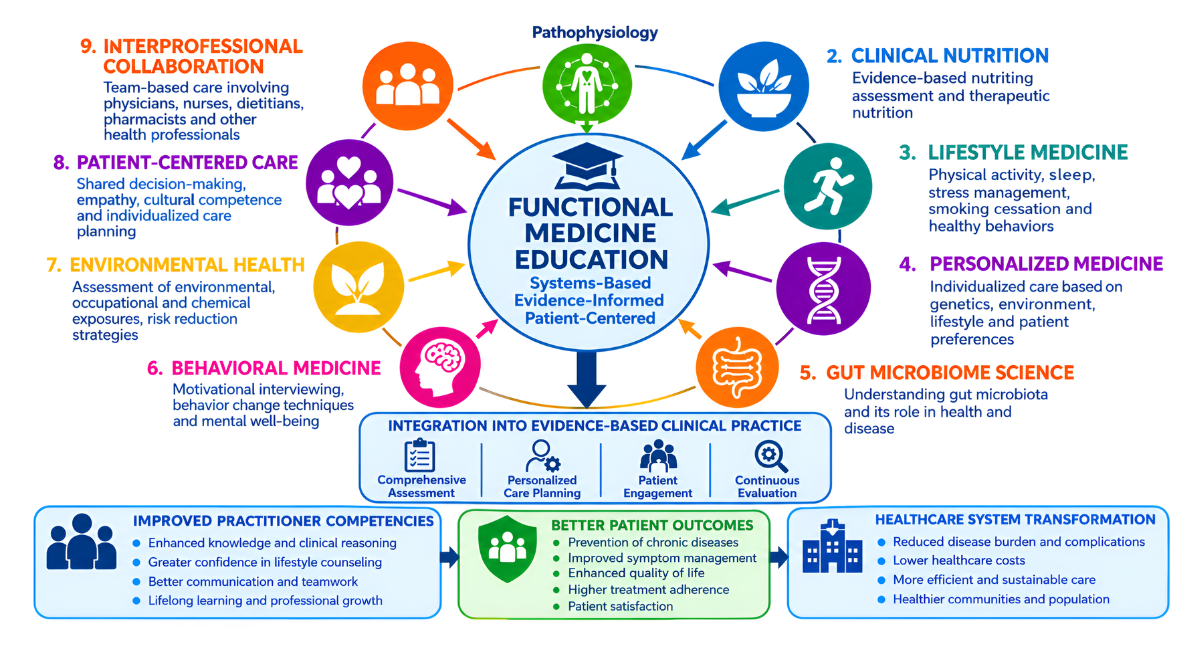
Figure 1: Conceptual Framework of Functional Medicine Education for Healthcare Transformation
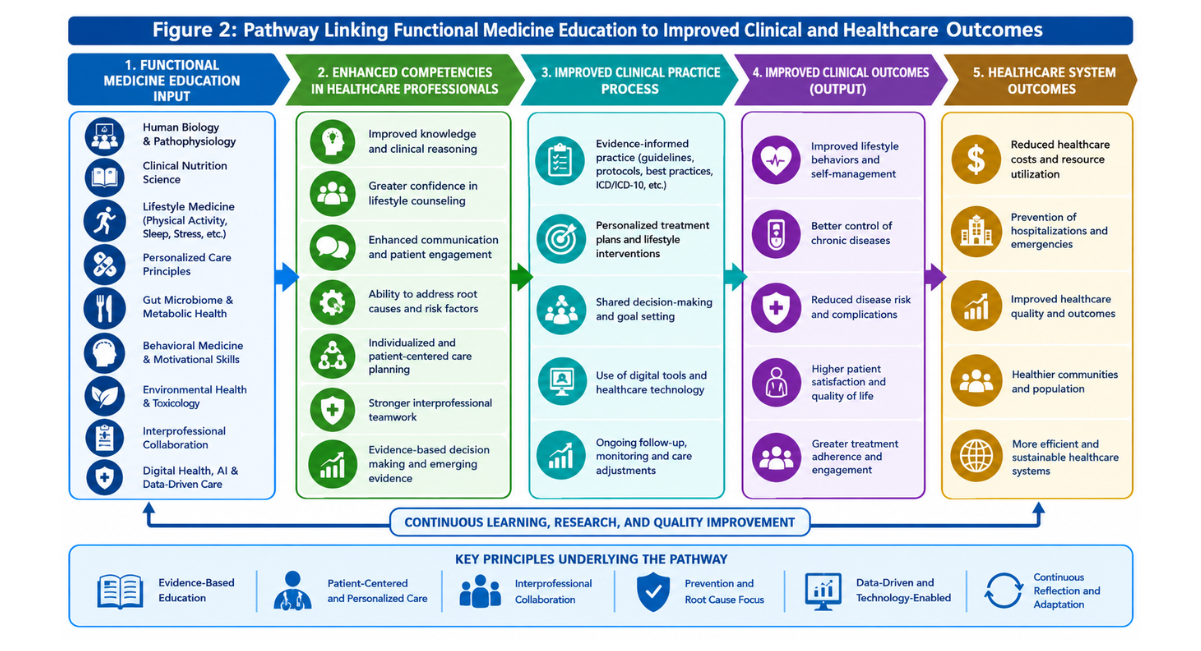
Figure 2: Pathway Linking Functional Medicine Education to Improved Clinical and Healthcare Outcomes
DISCUSSION
The findings of this review suggest that functional medicine education has considerable potential to strengthen contemporary healthcare by expanding clinicians' competencies beyond conventional disease management toward comprehensive, patient-centered, and preventive care. Although conventional medical education has achieved remarkable success in improving acute disease diagnosis and treatment, the growing burden of chronic non-communicable diseases has highlighted the need for educational models that better prepare healthcare professionals to address complex biological, behavioral, environmental, and social determinants of health.
One of the most important observations across the reviewed literature is the increasing recognition that chronic diseases rarely result from a single pathological process. Instead, conditions such as obesity, type 2 diabetes mellitus, cardiovascular disease, metabolic syndrome, autoimmune disorders, and chronic inflammatory diseases develop through intricate interactions among genetics, nutrition, physical inactivity, environmental exposures, sleep disturbances, psychosocial stress, and socioeconomic influences. Functional medicine education encourages healthcare professionals to adopt systems thinking, enabling them to evaluate these interconnected factors during clinical assessment rather than focusing exclusively on disease-specific symptoms.
Another significant finding is the growing importance of preventive medicine within healthcare education. Most healthcare systems continue to allocate substantial resources toward managing advanced disease rather than preventing disease onset. Functional medicine education promotes early identification of modifiable risk factors through comprehensive patient assessment, individualized nutritional counseling, physical activity promotion, stress reduction, smoking cessation, and behavioral interventions. These principles closely align with recommendations issued by major international organizations advocating preventive healthcare as a sustainable strategy for reducing healthcare expenditures and improving population health outcomes.
Nutrition education emerged as one of the strongest components of functional medicine training. Numerous studies consistently demonstrate that physicians receive relatively limited formal education in clinical nutrition despite the central role of diet in preventing and managing chronic diseases. Consequently, many healthcare professionals report low confidence when providing nutritional counseling. Educational programs emphasizing evidence-based nutrition substantially improve clinicians' knowledge, counseling confidence, and frequency of dietary discussions during routine consultations. Improved nutritional competence may ultimately contribute to better long-term management of obesity, diabetes mellitus, hypertension, dyslipidemia, and cardiovascular disease.
Patient-centered care represents another major strength of functional medicine education. Rather than applying standardized treatment algorithms to all individuals, functional medicine encourages clinicians to consider each patient's medical history, environmental exposures, psychosocial circumstances, health beliefs, cultural background, and personal goals. The reviewed literature indicates that educational programs emphasizing communication skills, motivational interviewing, and shared decision-making improve clinician–patient relationships and patient satisfaction. Such approaches are increasingly recognized as essential components of high-quality healthcare because patient engagement significantly influences treatment adherence and long-term clinical outcomes.
The findings also support increasing integration of lifestyle medicine principles into healthcare education. Lifestyle interventions remain among the most effective and cost-efficient approaches for preventing many chronic diseases. Regular physical activity, healthy dietary patterns, adequate sleep, stress management, avoidance of tobacco, and maintenance of healthy social relationships have consistently demonstrated favorable effects on morbidity and mortality. Functional medicine education reinforces these evidence-based interventions while encouraging individualized implementation according to each patient's clinical circumstances.
Interprofessional collaboration is another important theme emerging from the reviewed evidence. Modern healthcare increasingly requires coordinated management by multidisciplinary teams consisting of physicians, pharmacists, nurses, dietitians, physiotherapists, psychologists, and other healthcare professionals. Functional medicine educational programs frequently emphasize collaborative practice, recognizing that chronic disease management extends beyond the expertise of any single profession. Improved communication among healthcare providers enhances continuity of care, reduces fragmentation, and supports comprehensive management of patients with complex healthcare needs.
Technological advancements are further reshaping healthcare education. Rapid developments in genomics, metabolomics, microbiome research, artificial intelligence, wearable health technologies, and digital health platforms have created unprecedented opportunities for personalized medicine. Functional medicine education increasingly incorporates these scientific advances while encouraging clinicians to interpret emerging evidence critically and responsibly. Integrating systems biology with digital health technologies may further improve individualized risk assessment, disease prevention, and clinical decision-making in future healthcare systems.
Despite these promising developments, several important challenges remain. One of the principal concerns involves variability among functional medicine educational programs. Currently, no universally accepted curriculum or competency framework exists across academic institutions.
Educational content differs substantially regarding scientific rigor, teaching methodology, clinical application, and assessment strategies. This variability may contribute to inconsistent educational quality and complicate broader implementation within conventional medical education.
Another limitation identified throughout the literature is the relatively small number of high-quality randomized educational studies. Many available investigations rely on participant satisfaction surveys, self-reported confidence, or knowledge assessments rather than objective clinical performance measures or patient outcomes. Although these educational outcomes are valuable, they provide limited evidence regarding whether functional medicine education ultimately improves healthcare quality, disease prevention, hospitalization rates, or long-term patient health. Future research should prioritize multicenter randomized controlled educational trials with standardized outcome measures and extended follow-up periods.
Some controversies surrounding functional medicine also warrant careful consideration. Critics have expressed concerns regarding the inclusion of interventions lacking robust scientific validation within certain educational programs. Therefore, integration of functional medicine into healthcare education should remain firmly grounded in evidence-based medicine.
Educational curricula should clearly distinguish well-supported interventions from emerging or experimental concepts while encouraging critical appraisal of new scientific evidence. Such an approach preserves scientific integrity while promoting innovation in healthcare education.
Economic considerations further support preventive educational models. Chronic diseases account for a substantial proportion of global healthcare expenditures through long-term pharmacotherapy, repeated hospitalizations, disability, and productivity loss. Improving healthcare professionals' competencies in prevention, early intervention, and patient self-management may reduce healthcare costs while improving quality of life. Although direct economic evaluations remain limited, preventive educational strategies appear increasingly attractive as healthcare systems seek sustainable approaches for managing growing chronic disease burdens.
From an educational perspective, competency-based learning represents an ideal framework for integrating functional medicine principles into existing curricula. Modern healthcare education increasingly emphasizes clinical reasoning, communication, professionalism, teamwork, and lifelong learning rather than simple knowledge acquisition. Functional medicine education complements these competencies by encouraging comprehensive patient assessment, evidence-informed decision-making, and individualized care planning. Rather than replacing conventional medical education, it may serve as an important extension of existing competency-based educational models.
Overall, the evidence reviewed indicates that functional medicine education has the potential to improve healthcare professional training by strengthening competencies in nutrition, preventive medicine, systems biology, patient-centered communication, lifestyle intervention, and interdisciplinary collaboration. Nevertheless, successful implementation requires standardized curricula, rigorous educational evaluation, adherence to evidence-based medicine, and continued scientific investigation. Future educational reforms should integrate validated functional medicine concepts into mainstream healthcare education while maintaining the highest standards of scientific quality, patient safety, and clinical effectiveness.
CONCLUSION
Functional medicine education represents an evolving educational approach that seeks to complement conventional healthcare training through systems-based clinical reasoning, preventive medicine, lifestyle interventions, and personalized patient care. The available evidence indicates that healthcare professionals receiving structured education in these areas demonstrate improved knowledge, greater confidence in chronic disease management, stronger communication skills, and increased emphasis on patient-centered care.
Although promising educational outcomes have been reported, current evidence remains limited by heterogeneous study designs, variability among educational programs, and insufficient long-term evaluations of patient outcomes. Future research should focus on standardized competency frameworks, multicenter randomized educational trials, and objective assessments of clinical effectiveness and healthcare quality.
Rather than functioning as an alternative to evidence-based medicine, functional medicine education should be viewed as a complementary educational framework that integrates scientifically validated principles of nutrition, lifestyle medicine, behavioral health, preventive care, and systems biology into conventional clinical practice. Incorporating these evidence-supported concepts into undergraduate, postgraduate, and continuing professional education may better prepare healthcare professionals to address the growing global burden of chronic diseases while promoting more personalized, preventive, and sustainable healthcare systems.
ACKNOWLEDGMENT
The authors sincerely acknowledge the guidance, encouragement, and valuable support received throughout the preparation of this manuscript. We express our deepest gratitude to Prof. Dr.
Naweed Imam Syed, Department of Cell Biology, University of Calgary, Canada, for his expert advice, constructive suggestions, and continuous mentorship during the development of this work. His scientific insight and thoughtful guidance greatly contributed to the quality and direction of this manuscript.
The authors also appreciate the contributions of colleagues and collaborators whose discussions and professional feedback helped improve the scientific content of this review.
CONFLICT OF INTEREST
The authors declare that there are no conflicts of interest regarding the publication of this manuscript.
FUNDING AND FINANCIAL SUPPORT
The authors received no financial support, grant, or funding from any public, commercial, or not-for-profit organization for the research, authorship, or publication of this manuscript.
REFERENCES
- World Health Organization. Mid-term evaluation of the WHO Global Coordination Mechanism on the Prevention and Control of Noncommunicable Diseases. World Health Organization; 2025. [Crossref] [Google Scholar]
- Collaborators G. C of D, Naghavi M, Ong KL, Aali A, Ababneh HS, Abate YH, et al. Global burden of 288 causes of death and life expectancy decomposition in 204 countries and territories and 811 subnational locations, 1990–2021: a systematic analysis for the Global Burden of Disease Study 2021. 2024;403:2100-32. [Crossref] [Google Scholar] [PubMed]
- Frenk J, Chen L, Bhutta ZA, Cohen J, Crisp N, et al. Health professionals for a new century: transforming education to strengthen health systems in an interdependent world. The lancet. 2010;376(9756):1923-58. [Crossref] [Google Scholar] [PubMed]
- Skochelak SE, editor. Health Systems Science E-Book: Health Systems Science E-Book. Elsevier Health Sciences; 2020. [Google Scholar]
- Hudson T. Functional medicine: a view from physical medicine and rehabilitation. Physical Medicine and Rehabilitation Clinics. 2020;31(4):527-40. [Google Scholar]
- Ribeiro F, Teixeira M, Alves AJ, Sherwood A, Blumenthal JA. Lifestyle medicine as a treatment for resistant hypertension. Current hypertension reports. 2023;25(10):313-28. [Crossref] [Google Scholar] [PubMed]
- Katz DL, Frates EP, Bonnet JP, Gupta SK, Vartiainen E, et al. Lifestyle as medicine: the case for a true health initiative. American Journal of Health Promotion. 2018;32(6):1452-8. [Crossref] [Google Scholar] [PubMed]
- Egger G, Binns A, Rossner S. Lifestyle medicine: managing diseases of lifestyle in the 21st century. McGraw-Hill; 2011. [Crossref] [Google Scholar]
- Polak R, Pojednic RM, Phillips EM. Lifestyle medicine education. American Journal of Lifestyle Medicine. 2015;9(5):361-7. [Crossref] [Google Scholar] [PubMed]
- Hivert MF, Arena R, Forman DE, Kris-Etherton PM, McBride PE, et al. Medical training to achieve competency in lifestyle counseling: an essential foundation for prevention and treatment of cardiovascular diseases and other chronic medical conditions: a scientific statement from the American Heart Association. Circulation. 2016;134(15):e308-27. [Crossref] [Google Scholar] [PubMed]
- Crowley J, Ball L, Hiddink GJ. Nutrition in medical education: a systematic review. The Lancet Planetary Health. 2019 Sep 1;3(9):e379-89. [Crossref] [Google Scholar] [PubMed]
- Devries S, Dalen JE, Eisenberg DM, Maizes V, Ornish D, et al. A deficiency of nutrition education in medical training. The American journal of medicine. 2014;127(9):804-6. [Crossref] [Google Scholar] [PubMed]
- Kushner RF, Van Horn L, Rock CL, Edwards MS, Bales CW, et al. Nutrition education in medical school: a time of opportunity. The American journal of clinical nutrition. 2014;99(5):1167S-73S. [Crossref] [Google Scholar] [PubMed]
- Rippe JM. Lifestyle medicine: the health promoting power of daily habits and practices. American journal of lifestyle medicine. 2018;12(6):499-512. [Crossref] [Google Scholar] [PubMed]
- Epstein RM, Street Jr RL. The values and value of patient-centered care. The Annals of Family Medicine. 2011;9(2):100-3. [Crossref] [Google Scholar] [PubMed]
- Topol EJ. High-performance medicine: the convergence of human and artificial intelligence. Nature medicine. 2019;25(1):44-56. [Crossref] [Google Scholar] [PubMed]
- Page MJ, McKenzie JE, Bossuyt PM, Boutron I, Hoffmann TC, et al. The PRISMA 2020 statement: an updated guideline for reporting systematic reviews. bmj. 2021;372. [Crossref] [Google Scholar] [PubMed]
- Page MJ, Moher D, Bossuyt PM, Boutron I, Hoffmann TC, et al. PRISMA 2020 explanation and elaboration: updated guidance and exemplars for reporting systematic reviews. bmj. 202;372. [Crossref] [Google Scholar] [PubMed]
- Hawkins RE, Welcher CM, Holmboe ES, Kirk LM, Norcini JJ, et al. Implementation of competency‐based medical education: are we addressing the concerns and challenges? Medical education. 2015;49(11):1086-102. [Crossref] [Google Scholar] [PubMed]
- Greenhalgh T, Thorne S, Malterud K. Time to challenge the spurious hierarchy of systematic over narrative reviews? European journal of clinical investigation. 2018;48(6):e12931.. [Crossref] [Google Scholar] [PubMed]
- Cook DA, Artino Jr AR. Motivation to learn: an overview of contemporary theories. Medical education. 2016;50(10):997-1014. [Crossref] [Google Scholar] [PubMed]
- Ilic D, Maloney S. Methods of teaching medical trainees evidence‐based medicine: a systematic review. Medical Education. 2014;48(2):124-35.. [Crossref] [Google Scholar] [PubMed]
- Coomarasamy A, Khan KS. What is the evidence that postgraduate teaching in evidence based medicine changes anything? A systematic review. Bmj. 2004;329(7473):1017.. [Crossref] [Google Scholar] [PubMed]
- Zwarenstein M, Reeves S, Barr H, Hammick M, Koppel I, et al. Interprofessional education: effects on professional practice and health care outcomes. The Cochrane Database of Systematic Reviews. 2001(1):CD002213-. [Crossref] [Google Scholar] [PubMed]
- World Health Organization. Framework for action on interprofessional education and collaborative practice [Google Scholar]
- Baker TK. The end of step 2 CS should be the beginning of a new approach to clinical skills assessment. Academic Medicine. 2021;96(9):1239-41. [Google Scholar]
- Polak R, Pojednic RM, Phillips EM. Lifestyle medicine education. American Journal of Lifestyle Medicine. 2015 Sep;9(5):361-7. [Crossref] [Google Scholar] [PubMed]
- Ornish D, Magbanua MJ, Weidner G, Weinberg V, Kemp C, et al. Changes in prostate gene expression in men undergoing an intensive nutrition and lifestyle intervention. Proceedings of the National Academy of Sciences. 2008;105(24):8369-74. [Crossref] [Google Scholar] [PubMed]
- Willett W, Rockström J, Loken B, Springmann M, Lang T, Vermeulen S, Garnett T, Tilman D, DeClerck F, Wood A, Jonell M. Food in the Anthropocene: the EAT–Lancet Commission on healthy diets from sustainable food systems. The lancet. 2019;393(10170):447-92. [Crossref] [Google Scholar] [PubMed]
- Willett W, Rockström J, Loken B. Healthy diets and sustainable food systems–Authors' reply. The Lancet. 2019 Jul 20;394(10194):215-6. [Crossref] [Google Scholar] [PubMed]
- Ferrari R. Writing narrative style literature reviews. Medical writing. 2015 Dec 1;24(4):230-5. [Crossref] [Google Scholar]
- Harden RM. Outcome-based education: the future is today. Medical teacher. 2007;29(7):625-9. [Crossref] [Google Scholar] [PubMed]
- Harden RM. AMEE Guide No. 14: Outcome-based education: Part 1-An introduction to outcome-based education. Medical teacher. 1999;21(1):7-14. [Crossref] [Google Scholar] [PubMed]
- Frank JR, Snell LS, Cate OT, Holmboe ES, Carraccio C, et al. Competency-based medical education: theory to practice. Medical teacher. 2010;32(8):638-45. [Crossref] [Google Scholar] [PubMed]
- Hivert MF, Arena R, Forman DE, Kris-Etherton PM, McBride PE, et al. Medical training to achieve competency in lifestyle counseling: an essential foundation for prevention and treatment of cardiovascular diseases and other chronic medical conditions: a scientific statement from the American Heart Association. Circulation. 2016;134(15):e308-27. [Crossref] [Google Scholar] [PubMed]
- Trilk J, Nelson L, Briggs A, Muscato D. Including lifestyle medicine in medical education: rationale for American College of Preventive Medicine/American Medical Association resolution 959. American Journal of Preventive Medicine. 2019;56(5):e169-75. [Crossref] [Google Scholar]
- Lianov L, Johnson M. Physician competencies for prescribing lifestyle medicine. Jama. 2010 Jul 14;304(2):202-3. [Crossref] [Google Scholar] [PubMed]
- Pratt M, Perez LG, Goenka S, Brownson RC, Bauman A, et al. Can population levels of physical activity be increased? Global evidence and experience. Progress in cardiovascular diseases. 2015;57(4):356-67. [Google Scholar]
- Tuso P. Prediabetes and lifestyle modification: time to prevent a preventable disease. The Permanente Journal. 2014;18(3):88. [Crossref] [Google Scholar] [PubMed]
- Bodenheimer T, Sinsky C. From triple to quadruple aim: care of the patient requires care of the provider. The Annals of Family Medicine. 2014;12(6):573-6. [Crossref] [Google Scholar] [PubMed]