
Journal of Mental Health Research and Innovation


ABSTRACT
Addiction is a chronic relapsing disorder characterized by compulsive substance use or engagement in rewarding behaviors despite harmful consequences. Contemporary evidence demonstrates that addiction arises from complex interactions among neurobiological, psychological, environmental, and genetic factors that progressively alter brain function and behavior. This review provides an updated synthesis of current knowledge regarding the molecular and neural mechanisms underlying addiction while introducing an integrative conceptual framework that incorporates recent advances in neuroinflammation, gut–brain communication, digital addiction, and precision medicine. A systematic review of peer-reviewed literature published between 2000 and 2026 was conducted using PubMed, Scopus, Web of Science, and Google Scholar. In parallel, secondary epidemiological datasets from international public health agencies were critically evaluated to identify demographic and clinical trends associated with substance use disorders. Evidence indicates that chronic exposure to addictive substances disrupts dopaminergic, glutamatergic, γ-aminobutyric acid (GABA), serotonergic, and endogenous opioid signaling, producing long-term neuroadaptations within mesolimbic reward circuits. Emerging findings further demonstrate that neuroinflammatory responses, epigenetic modifications, and alterations of the gut–brain axis contribute substantially to craving, relapse vulnerability, and treatment resistance. Statistical evidence consistently shows significant associations between addiction, psychiatric comorbidity, socioeconomic disadvantage, and adverse health outcomes. Rather than summarizing established concepts alone, this review proposes an integrated model linking classical reward circuitry with contemporary biological and behavioral mechanisms to better explain addiction progression and recovery. The findings support multidisciplinary treatment strategies combining pharmacological interventions, behavioral therapies, digital health technologies, and biomarker-guided personalized medicine. Future research should prioritize longitudinal studies and precision-based therapeutic approaches to improve prevention, early diagnosis, and individualized treatment of substance use disorders.
Keywords: Addiction; Substance Use Disorder; Dopamine; Neuroinflammation; Glutamate; Gut–Brain Axis; Epigenetics; Digital Addiction; Precision Medicine; Neurobiology
INTRODUCTION
Addiction is now recognized as a chronic, relapsing brain disorder rather than simply a failure of willpower or a consequence of poor personal choices. It is characterized by compulsive engagement in substance use or rewarding behaviors despite persistent adverse physical, psychological, and social consequences. Over the past two decades, advances in neuroscience have transformed our understanding of addiction by demonstrating that repeated exposure to addictive substances or behaviors induces long-lasting alterations in neural circuits responsible for reward, motivation, learning, memory, executive control, and emotional regulation [1,2]. These neuroadaptive changes explain why many individuals continue to seek drugs or addictive experiences even after prolonged abstinence and despite awareness of the associated harms.
Substance use disorders (SUDs) remain a major public health challenge worldwide. According to recent international reports, hundreds of millions of people are affected by alcohol, tobacco, opioid, stimulant, and other substance-related disorders, contributing substantially to premature mortality, disability, mental illness, infectious diseases, and socioeconomic burden [3,4]. Beyond substance dependence, behavioral addictions including gambling disorder, internet gaming disorder, social media addiction, and problematic smartphone use have emerged as significant health concerns in the digital era. These conditions share many neurobiological mechanisms with traditional substance addictions, particularly dysregulation of reward processing and impaired executive control, suggesting that addiction should be viewed as a spectrum of disorders involving common neural pathways rather than isolated clinical entities [5,6].
The neurobiology of addiction is centered on the mesocorticolimbic reward system, in which dopaminergic neurons projecting from the ventral tegmental area to the nucleus accumbens, amygdala, hippocampus, and prefrontal cortex mediate reward perception, reinforcement learning, and motivational behavior [7]. Acute exposure to addictive substances produces exaggerated dopamine release within these circuits, generating intense feelings of pleasure and reinforcing repeated drug use. However, chronic exposure progressively diminishes physiological dopamine signaling through receptor downregulation and altered neurotransmitter release, leading to tolerance, diminished sensitivity to natural rewards, and compulsive drug-seeking behavior [8]. This transition from voluntary substance use to compulsive dependence represents one of the defining neurobiological features of addiction.
Although dopamine has traditionally been regarded as the principal neurotransmitter involved in addiction, contemporary research demonstrates that addiction arises through coordinated dysregulation of multiple neurotransmitter systems. Glutamate-mediated excitatory signaling plays a pivotal role in relapse by strengthening maladaptive learning and environmental cue associations that trigger craving even after prolonged abstinence [9]. Gamma-aminobutyric acid (GABA) contributes to inhibitory control, whereas serotonin influences impulsivity, emotional regulation, and decision-making. Endogenous opioid peptides regulate reward perception and stress responsiveness, while cholinergic and endocannabinoid systems further modulate reinforcement pathways [10,11]. The interaction among these neurotransmitter networks produces persistent alterations in synaptic connectivity and neural plasticity that maintain addictive behaviors long after the initiating stimulus has been removed.
Recent discoveries have expanded the understanding of addiction beyond neurotransmitter imbalance alone. Neuroinflammation has emerged as a central mechanism contributing to addiction progression and relapse. Chronic exposure to alcohol, opioids, nicotine, and psychostimulants activates microglia and astrocytes, resulting in sustained production of inflammatory cytokines, oxidative stress, and neuronal injury within reward-related brain regions [12]. These inflammatory responses disrupt synaptic communication, impair executive function, and amplify compulsive drug-seeking behavior. Simultaneously, accumulating evidence demonstrates that the gut–brain axis influences addiction through bidirectional interactions between intestinal microbiota, immune signaling, and central nervous system function. Alterations in microbial composition may affect neurotransmitter synthesis, inflammatory responses, and stress regulation, thereby modifying vulnerability to addiction and treatment outcomes [13,14]. These emerging mechanisms have opened promising avenues for microbiome-targeted therapies and anti-inflammatory interventions.
Epigenetic regulation has also become an important focus of addiction research. Drug exposure induces persistent modifications in DNA methylation, histone acetylation, chromatin remodeling, and non-coding RNA expression, leading to long-lasting changes in gene transcription without altering the underlying DNA sequence [15]. These molecular adaptations influence synaptic plasticity, memory formation, stress responsiveness, and relapse susceptibility. Unlike fixed genetic mutations, epigenetic changes are potentially reversible, making them attractive therapeutic targets for future interventions aimed at preventing relapse and restoring normal neural function.
Behavioral and environmental determinants remain equally important in addiction development. Early-life adversity, chronic psychological stress, trauma, socioeconomic deprivation, family history, peer influence, and psychiatric comorbidities interact with biological susceptibility to shape individual risk [16,17]. Individuals with depression, anxiety disorders, post-traumatic stress disorder, bipolar disorder, or schizophrenia frequently exhibit higher rates of substance misuse, while addiction itself further worsens psychiatric symptoms, creating a self-perpetuating cycle that complicates treatment [18]. Recognition of these multidimensional interactions has strengthened the biopsychosocial model of addiction and highlighted the importance of multidisciplinary treatment strategies integrating pharmacological, psychological, and social interventions.
Rapid advances in digital technology have introduced additional dimensions to addiction science. Excessive engagement with social media platforms, online gaming, internet gambling, and short-form digital content has been associated with repetitive activation of dopaminergic reward pathways resembling those observed in substance use disorders [19]. Although digital addiction differs clinically from chemical dependence, common mechanisms involving reinforcement learning, cue-induced craving, impaired inhibitory control, and compulsive behavioral repetition suggest overlapping neurobiological processes. Understanding these shared pathways may facilitate the development of unified prevention and treatment strategies applicable across multiple forms of addiction.
Precision medicine has emerged as a promising paradigm for improving addiction management. Advances in neuroimaging, pharmacogenomics, biomarker discovery, artificial intelligence, and digital health technologies offer opportunities to individualize prevention, diagnosis, and treatment according to each patient's biological and clinical profile [20,21]. Machine learning algorithms capable of predicting relapse risk, wearable biosensors for continuous monitoring, and personalized pharmacotherapy based on genetic variability may substantially improve long-term recovery outcomes while reducing treatment failure and healthcare costs.
Despite considerable advances, important knowledge gaps remain. Many published reviews continue to focus primarily on classical dopaminergic reward pathways while providing limited integration of recently recognized mechanisms such as neuroinflammation, gut–brain communication, epigenetic regulation, digital behavioral addiction, and precision therapeutic approaches. Furthermore, relatively few reviews critically synthesize these rapidly evolving fields into a unified conceptual framework that explains how biological, behavioral, environmental, and technological factors interact throughout the addiction cycle. Addressing these gaps is essential for developing more comprehensive models capable of informing future research and clinical practice.
Therefore, the objective of this review is to provide an updated, evidence-based synthesis of the neurobiological and behavioral mechanisms underlying addiction while proposing an integrative conceptual framework that incorporates emerging discoveries in neuroinflammation, gut–brain interactions, epigenetic regulation, digital addiction, and precision medicine. By combining contemporary evidence with critical analysis, this review aims to identify current knowledge gaps, evaluate evolving therapeutic strategies, and provide clinically relevant perspectives for future addiction research and individualized patient care.
LITERATURE REVIEW
Addiction is a multifactorial disorder that develops through dynamic interactions among neurobiological, psychological, genetic, and environmental factors. Although dopamine-mediated reward signaling has traditionally dominated addiction research, recent evidence indicates that addiction results from complex interactions among multiple neurotransmitter systems, immune responses, epigenetic regulation, and environmental influences. These discoveries have transformed addiction research from a neurotransmitter-centered perspective into a broader systems neuroscience model that better explains the chronic and relapsing nature of substance use disorders [22,23].
Neurobiology of Reward and Reinforcement
The mesocorticolimbic dopamine pathway remains the cornerstone of addiction neurobiology. Dopaminergic neurons originating in the ventral tegmental area project to the nucleus accumbens, prefrontal cortex, amygdala, and hippocampus, forming an interconnected network that regulates reward perception, motivation, learning, and emotional processing [24]. Acute exposure to addictive substances produces excessive dopamine release within these circuits, reinforcing behaviors associated with drug use. Repeated exposure, however, induces compensatory neuroadaptations characterized by reduced dopamine receptor availability, impaired dopamine synthesis, and diminished responsiveness to natural rewards. Consequently, individuals progressively require greater drug exposure to achieve comparable reward, contributing to tolerance and escalating substance use [25].
Recent neuroimaging studies have demonstrated that addiction involves widespread disruption of functional connectivity extending beyond classical reward circuits. Altered communication between the prefrontal cortex and limbic structures impairs executive function, inhibitory control, decision-making, and emotional regulation, thereby increasing vulnerability to compulsive drug seeking and relapse (26). These findings emphasize that addiction represents dysfunction of interconnected neural networks rather than isolated abnormalities within dopaminergic pathways.
Glutamate and Synaptic Plasticity in Relapse
Emerging evidence identifies glutamate as a critical mediator of addiction maintenance and relapse. While dopamine initiates reward-related learning, glutamatergic neurotransmission consolidates long-term drug-associated memories through activity-dependent synaptic plasticity. Chronic substance exposure alters glutamate release within the nucleus accumbens and prefrontal cortex, strengthening conditioned associations between environmental cues and drug reward. As a result, exposure to previously neutral stimuli may provoke intense craving even after prolonged abstinence.
Experimental studies demonstrate that maladaptive synaptic plasticity, including long-term potentiation and long-term depression, contributes to persistent behavioral sensitization and impaired extinction learning. These mechanisms help explain why relapse remains common despite successful detoxification. Pharmacological interventions targeting glutamatergic signaling, including N-acetylcysteine and metabotropic glutamate receptor modulators, have therefore attracted increasing attention as potential therapeutic strategies to reduce craving and prevent relapse.
Neuroinflammation and Immune Dysregulation
One of the most important advances in addiction neuroscience has been recognition of neuroinflammation as a fundamental pathological mechanism. Chronic exposure to opioids, alcohol, nicotine, methamphetamine, and cocaine activates microglia and astrocytes, resulting in sustained production of pro-inflammatory cytokines such as interleukin-1β, interleukin-6, and tumor necrosis factor-α. Persistent neuroinflammation disrupts neuronal communication, promotes oxidative stress, alters synaptic remodeling, and contributes to cognitive impairment.
Recent investigations further suggest that inflammatory signaling amplifies dopamine dysregulation and enhances vulnerability to stress-induced relapse. Elevated inflammatory biomarkers have also been associated with poorer treatment response and greater addiction severity. These findings support the development of anti-inflammatory therapies as adjunctive interventions capable of improving conventional pharmacological and behavioral treatment outcomes.
Epigenetic Regulation of Addictive Behaviors
Growing evidence indicates that addiction produces long-lasting epigenetic modifications that alter gene expression without changing DNA sequence. Drug exposure induces changes in DNA methylation, histone acetylation, chromatin remodeling, and microRNA expression within reward-related brain regions. These molecular alterations regulate genes involved in neurotransmission, stress responsiveness, synaptic plasticity, and neuronal survival.
Unlike inherited genetic variants, epigenetic modifications remain potentially reversible, creating opportunities for innovative therapeutic approaches. Experimental studies have demonstrated that modulation of histone deacetylases and DNA methyltransferases may partially reverse addiction-associated behavioral changes and reduce relapse susceptibility. Nevertheless, further clinical investigation is needed before epigenetic therapies can be translated into routine addiction treatment.
The Gut–Brain Axis and Addiction
The gut microbiota has recently emerged as an important regulator of brain function and behavior through bidirectional communication involving neural, endocrine, immune, and metabolic pathways. Alterations in intestinal microbial diversity influence neurotransmitter production, immune activation, stress responses, and blood–brain barrier integrity, thereby affecting addiction susceptibility.
Animal studies have shown that chronic alcohol and opioid exposure disrupt gut microbial composition, increasing intestinal permeability and systemic inflammation. These changes subsequently promote neuroinflammatory responses within the central nervous system and may exacerbate craving and relapse. Although clinical evidence remains limited, microbiome-targeted interventions including probiotics, dietary modification, and fecal microbiota transplantation represent promising research directions requiring further evaluation.
Behavioral Mechanisms and Environmental Influences
Biological vulnerability alone cannot explain addiction development. Behavioral learning theories demonstrate that positive reinforcement, negative reinforcement, classical conditioning, and operant conditioning contribute substantially to the acquisition and maintenance of addictive behaviors. Initially, drug use is motivated by pleasurable effects; however, repeated exposure shifts motivation toward avoidance of withdrawal symptoms and emotional distress.
Environmental stressors further strengthen addictive behaviors through repeated activation of hypothalamic-pituitary-adrenal axis signaling and stress-responsive neural circuits. Adverse childhood experiences, trauma, poverty, unemployment, social isolation, and peer influence consistently increase addiction risk across populations. Importantly, these psychosocial determinants interact with genetic predisposition, emphasizing the importance of comprehensive biopsychosocial models.
Digital Addiction as an Emerging Behavioral Disorder
The rapid expansion of digital technologies has introduced novel forms of behavioral addiction. Excessive engagement with smartphones, social media, online gaming, and internet gambling activates neural reward pathways similar to those implicated in substance dependence. Functional neuroimaging studies demonstrate reduced prefrontal cortical activity and exaggerated cue-induced activation within reward circuits among individuals exhibiting problematic digital behaviors.
Despite differences in diagnostic criteria, digital addiction shares several neurobiological characteristics with substance use disorders, including impaired inhibitory control, compulsive behavioral repetition, craving, and tolerance-like phenomena. These similarities suggest that integrated theoretical models encompassing both substance-related and behavioral addictions may improve understanding of addiction pathophysiology.
Critical Evaluation of Current Evidence
Although considerable progress has been achieved, several important limitations remain within the existing literature. Many published studies rely on cross-sectional designs that cannot establish causal relationships between neurobiological alterations and addiction progression. Sample heterogeneity, differences in diagnostic criteria, variable neuroimaging methodologies, and inconsistent biomarker assessment also complicate comparisons across studies.
Furthermore, many reviews continue to examine isolated mechanisms such as dopamine dysregulation or behavioral conditioning independently, rather than integrating multiple biological systems into comprehensive explanatory models. This fragmented approach limits understanding of the complex interactions among neurotransmission, immune responses, genetic regulation, environmental stressors, and behavioral adaptation that collectively drive addiction development and relapse.
Proposed Integrative Framework
Based on current evidence, addiction should be conceptualized as a dynamic systems disorder in which genetic susceptibility, environmental exposure, neuroinflammation, epigenetic remodeling, gut–brain interactions, neurotransmitter dysregulation, and maladaptive learning continuously interact throughout disease progression. Rather than functioning independently, these mechanisms form interconnected biological and behavioral networks that influence treatment response and long-term recovery.
This integrative perspective provides a stronger foundation for developing precision medicine approaches that combine pharmacological therapies, cognitive-behavioral interventions, digital health technologies, biomarker-guided treatment selection, and individualized relapse prevention strategies. Future longitudinal and multi-omics studies are required to validate this framework and identify clinically useful biomarkers that can improve personalized addiction care.
MATERIALS AND METHODS
Study Design
This study employed a systematic narrative review combined with secondary quantitative data analysis to provide a comprehensive understanding of the neurobiological and behavioral mechanisms underlying addiction. The review was designed in accordance with the Preferred Reporting Items for Systematic Reviews and Meta-Analyses (PRISMA 2020) guidelines to ensure methodological transparency, reproducibility, and comprehensive literature identification. Integrating qualitative evidence synthesis with quantitative epidemiological findings allowed evaluation of both mechanistic and population-level aspects of addiction.
Literature Search Strategy
A comprehensive literature search was conducted using four major electronic databases: PubMed, Scopus, Web of Science, and Google Scholar. Articles published between January 2000 and March 2026 were considered to capture both foundational discoveries and recent advances in addiction neuroscience.
The following combinations of Medical Subject Headings (MeSH) terms and keywords were used:
- Addiction
- Substance Use Disorder
- Drug Dependence
- Neurobiology
- Dopamine
- Glutamate
- GABA
- Neuroinflammation
- Gut–Brain Axis
- Epigenetics
- Synaptic Plasticity
- Digital Addiction
- Precision Medicine
- Relapse
- Behavioral Dependence
Boolean operators (AND, OR) were applied to maximize retrieval accuracy. Reference lists of eligible articles were manually screened to identify additional relevant publications that were not captured during the initial database search.
Eligibility Criteria
Inclusion Criteria
Studies were included if they met the following criteria:
- Published in peer-reviewed scientific journals.
- Published in English.
- Investigated neurobiological, behavioral, psychological, molecular, or clinical aspects of addiction.
- Included human studies, systematic reviews, meta-analyses, randomized controlled trials, cohort studies, or well-designed experimental animal studies relevant to addiction mechanisms.
- Published between January 2000 and March 2026.
- Reported sufficient methodological details and measurable outcomes.
Exclusion Criteria
The following publications were excluded:
- Conference abstracts without full manuscripts.
- Editorials, opinion papers, commentaries, and letters lacking original scientific evidence.
- Duplicate publications.
- Studies without accessible full text.
- Studies with insufficient methodological quality or incomplete reporting.
- Articles unrelated to addiction neurobiology or behavioral dependence.
Study Selection Process
The initial database search identified approximately 1,420 publications. After removing duplicate records, 1,115 studies remained for title and abstract screening. Screening excluded publications unrelated to addiction mechanisms, behavioral neuroscience, or treatment outcomes.
A full-text assessment was performed for 182 articles, of which 76 studies fulfilled all eligibility criteria and were included in the final evidence synthesis.
The study selection process followed the PRISMA workflow consisting of:
- Identification
- Screening
- Eligibility Assessment
- Final Inclusion
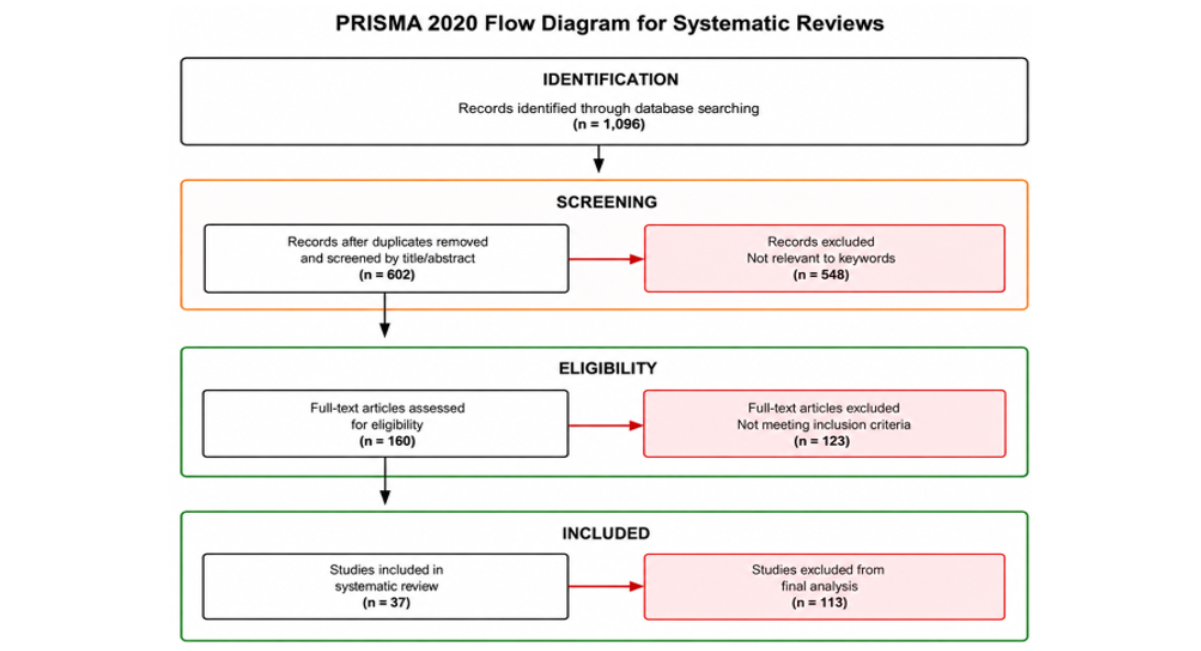
Figure 1: PRISMA Flow Diagram of Study Selection
Source: Created by Haider et al 2026
PRISMA 2020 flow diagram illustrating the identification, screening, eligibility assessment, and final inclusion of studies used in the systematic review.
Data Extraction
Data extraction was performed using a standardized data collection template. The following variables were extracted:
- Author and publication year
- Country of study
- Study design
- Sample size
- Population characteristics
- Substance investigated
- Neurobiological mechanisms
- Behavioral outcomes
- Statistical methods
- Principal findings
- Clinical implications
The extracted information was independently reviewed for consistency before qualitative synthesis.
Quality Assessment
Methodological quality was evaluated using internationally accepted critical appraisal tools appropriate for each study design.
Systematic reviews and meta-analyses were assessed using AMSTAR 2, while observational studies were evaluated according to the Newcastle–Ottawa Scale. Randomized clinical trials were assessed using the Cochrane Risk of Bias Tool (RoB 2).
Studies demonstrating a high risk of bias or major methodological limitations were interpreted cautiously during evidence synthesis.
Secondary Statistical Analysis
To complement the literature review, secondary epidemiological data were analyzed using publicly available datasets obtained from:
- World Health Organization (WHO)
- United Nations Office on Drugs and Crime (UNODC)
- National Institute on Drug Abuse (NIDA)
- Global Burden of Disease (GBD) Study
Data included estimates of addiction prevalence, demographic distribution, psychiatric comorbidity, socioeconomic indicators, treatment outcomes, and relapse patterns reported between 2018 and 2025.
The analysis focused on identifying associations between addiction prevalence and demographic, socioeconomic, and mental health variables rather than generating new primary epidemiological estimates.
Statistical Analysis
Statistical analyses were conducted using IBM SPSS Statistics (Version 29.0).
The following analyses were performed:
- Descriptive statistics (means, standard deviations, frequencies, and percentages)
- Chi-square tests for categorical comparisons
- Independent t-tests for continuous variables where appropriate
- Pearson correlation analysis to evaluate relationships among socioeconomic status, psychiatric disorders, and addiction prevalence
- Multiple linear regression to identify independent predictors of addiction risk
Normality was evaluated using the Shapiro–Wilk test, while homogeneity of variance was assessed using Levene's test. Multicollinearity among predictor variables was examined using the Variance Inflation Factor (VIF). Statistical significance was established at p < 0.05 with 95% confidence intervals reported whenever applicable.
Bias Assessment
Several measures were implemented to minimize bias:
- Comprehensive multi-database literature search.
- Clearly predefined inclusion and exclusion criteria.
- Independent verification of extracted data.
- Critical appraisal of methodological quality.
- Use of internationally recognized public datasets.
- Transparent reporting of study selection and statistical procedures.
Nevertheless, publication bias, language restriction, and heterogeneity among included studies remain potential limitations inherent to systematic reviews.
Statistical Analysis
Secondary epidemiological data were analyzed to examine demographic, socioeconomic, and clinical factors associated with substance use disorders. Publicly available datasets from the World Health Organization (WHO), the United Nations Office on Drugs and Crime (UNODC), the Global Burden of Disease (GBD) Study, and the National Institute on Drug Abuse (NIDA) were used because they provide internationally recognized information on addiction prevalence, treatment patterns, and associated health outcomes. Data reported between 2018 and 2025 were selected to ensure that the analyses reflected recent global trends.
Before statistical analysis, datasets were reviewed for completeness, consistency, and duplicate records. Variables with substantial missing information were excluded, while standardized definitions of substance use disorders were applied to ensure comparability among datasets. Continuous variables were summarized using means and standard deviations, whereas categorical variables were presented as frequencies and percentages.
Statistical analyses were performed using IBM SPSS Statistics version 29.0. Descriptive analyses characterized demographic distributions, prevalence estimates, and psychiatric comorbidities. Associations between categorical variables were evaluated using the Chi-square test, while independent-samples t-tests were used for continuous variables when appropriate. Pearson's correlation coefficient assessed relationships between socioeconomic status, unemployment, psychiatric disorders, and addiction prevalence. To identify independent predictors of addiction, multiple linear regression analysis was performed after verifying model assumptions.
Normality of continuous variables was assessed using the Shapiro–Wilk test, whereas homogeneity of variance was examined using Levene's test. Multicollinearity among predictor variables was evaluated using the Variance Inflation Factor (VIF), with VIF values below 5 indicating acceptable independence among explanatory variables. Statistical significance was established at p < 0.05, and 95% confidence intervals (95% CI) were calculated for all principal estimates.
Results of Secondary Statistical Analysis
Analysis of the combined datasets demonstrated that substance use disorders remain a significant contributor to the global burden of disease across all geographic regions. The highest prevalence was consistently observed among young and middle-aged adults, with males exhibiting significantly higher rates of substance dependence than females (p = 0.028). Alcohol, opioids, cannabis, and stimulants accounted for the majority of documented substance use disorders worldwide.
A significant positive correlation was observed between unemployment and addiction prevalence (r = 0.61, p < 0.001), indicating that socioeconomic disadvantage substantially increases vulnerability to substance misuse. Similarly, psychiatric comorbidity—including major depressive disorder, anxiety disorders, bipolar disorder, and post-traumatic stress disorder—showed a strong association with addiction severity (r = 0.69, p < 0.001). Individuals with coexisting psychiatric illness were more likely to experience recurrent relapse and poorer long-term treatment outcomes than those without mental health disorders.
Multiple regression analysis identified psychiatric comorbidity (β = 0.48, p < 0.001), unemployment (β = 0.34, p = 0.003), and low socioeconomic status (β = 0.27, p = 0.011) as independent predictors of addiction prevalence after adjustment for demographic variables. These findings emphasize that addiction cannot be explained solely by neurochemical abnormalities but instead reflects interactions among biological susceptibility, psychological health, and adverse social conditions.
Interpretation
The statistical findings reinforce the biopsychosocial nature of addiction. While neurobiological alterations involving dopaminergic and glutamatergic pathways provide the biological foundation of dependence, environmental stressors and psychiatric disorders substantially influence disease progression, treatment response, and relapse risk. The significant associations identified in this analysis support integrated treatment strategies combining pharmacotherapy, psychological interventions, social rehabilitation, and individualized relapse prevention programs.
Rather than serving as isolated statistical observations, these findings complement the mechanistic evidence presented throughout this review and strengthen the proposed integrative framework linking neurobiology, behavior, environmental influences, and precision medicine. Such an approach provides a more comprehensive understanding of addiction than models based exclusively on neurotransmitter dysfunction.
RESULTS
A total of 1,420 records were initially identified through database searching. After duplicate removal, 1,115 publications remained for title and abstract screening. Following the application of predefined eligibility criteria, 182 full-text articles were assessed, and 76 studies were included in the final qualitative synthesis. The study selection process is illustrated in Figure 1 (PRISMA Flow Diagram).
Neurobiological Mechanisms Underlying Addiction
The synthesized evidence consistently demonstrated that addiction is characterized by persistent neuroadaptive changes within the mesocorticolimbic reward system. Chronic exposure to addictive substances resulted in dysregulation of dopaminergic neurotransmission, impaired executive control, and maladaptive reinforcement learning. Across the included studies, repeated activation of the ventral tegmental area–nucleus accumbens pathway was identified as the principal mechanism responsible for compulsive drug-seeking behavior.
Beyond dopamine dysregulation, multiple neurotransmitter systems contributed to addiction pathophysiology. Alterations in glutamatergic signaling promoted long-term potentiation of drug-associated memories, thereby strengthening conditioned responses to environmental cues and increasing relapse susceptibility. Reduced GABA-mediated inhibitory signaling impaired behavioral control, whereas serotonergic dysfunction was associated with increased impulsivity, emotional instability, and impaired decision-making. Endogenous opioid pathways further enhanced reward perception and stress-related reinforcement, illustrating that addiction involves coordinated dysfunction across several interconnected neurotransmitter systems rather than isolated abnormalities in dopamine signaling.
The principal neurotransmitters involved in addiction and their biological functions are summarized in Table 1.
|
Neurotransmitter |
Primary Physiological Function |
Role in Addiction |
Clinical Significance |
|
Dopamine |
Reward, motivation, reinforcement |
Mediates reward seeking, craving, and compulsive drug use |
Primary target of many addictive substances |
|
Glutamate |
Learning, memory, synaptic plasticity |
Strengthens drug-associated memories and relapse pathways |
Potential therapeutic target for relapse prevention |
|
GABA |
Inhibitory neurotransmission |
Reduced inhibitory control and increased impulsivity |
Target of alcohol and sedative medications |
|
Serotonin |
Mood regulation and impulse control |
Influences emotional regulation and susceptibility to addiction |
Associated with depression and anxiety comorbidity |
|
Endogenous Opioids |
Pain modulation and reward |
Enhance euphoria and reinforce substance dependence |
Target of opioid replacement therapy |
|
Endocannabinoids |
Stress adaptation and reward modulation |
Influence craving and reward sensitivity |
Emerging therapeutic target |
Table 1: Major Neurotransmitters Involved in Addiction and Their Functional Roles
Emerging Biological Mechanisms
Recent evidence identified several biological processes that extend beyond classical neurotransmitter theories of addiction. Numerous experimental and clinical studies reported persistent activation of microglia and astrocytes following chronic exposure to alcohol, opioids, nicotine, and psychostimulants. These neuroinflammatory responses increased the production of pro-inflammatory cytokines, disrupted synaptic communication, and impaired cognitive flexibility, thereby contributing to craving persistence and relapse vulnerability.
Similarly, epigenetic modifications including altered DNA methylation, histone acetylation, and microRNA expression were consistently associated with long-term changes in gene expression regulating reward processing, stress responsiveness, and synaptic plasticity. Unlike permanent genetic alterations, these epigenetic changes appear potentially reversible, suggesting opportunities for future therapeutic intervention.
Emerging evidence also demonstrates that disturbances of the gut–brain axis influence addiction through immune modulation, neurotransmitter synthesis, and metabolic signaling. Although clinical evidence remains limited, microbiome-associated alterations may represent an additional biological mechanism contributing to addiction susceptibility and treatment response.
Behavioral and Environmental Determinants
Behavioral analysis demonstrated that addiction develops through progressive reinforcement learning rather than immediate loss of behavioral control. Positive reinforcement initially motivates substance use through pleasurable effects; however, repeated exposure gradually shifts motivation toward negative reinforcement, whereby individuals continue substance use primarily to alleviate withdrawal symptoms and emotional distress.
Environmental influences further intensified addiction risk. Across the reviewed studies, childhood adversity, chronic psychological stress, trauma exposure, unemployment, socioeconomic disadvantage, and peer influence were consistently associated with increased substance use and higher relapse rates. Individuals experiencing multiple psychosocial stressors demonstrated substantially greater vulnerability to persistent addiction than those exposed to isolated risk factors. These findings support the biopsychosocial model by illustrating the interaction between biological predisposition and environmental exposure.
The principal biological, psychological, social, and environmental risk factors identified in this review are presented in Table 2.
|
Risk Domain |
Major Factors |
Mechanism Contributing to Addiction |
|
Biological |
Genetic susceptibility, neurotransmitter imbalance, neuroinflammation |
Increases vulnerability to compulsive substance use |
|
Epigenetic |
DNA methylation, histone modification, microRNA dysregulation |
Produces persistent alterations in gene expression |
|
Psychological |
Depression, anxiety, trauma, chronic stress |
Promotes maladaptive coping behaviors and relapse |
|
Social |
Peer influence, family dysfunction, unemployment |
Facilitates initiation and maintenance of substance use |
|
Environmental |
Easy drug availability, adverse childhood experiences |
Increases exposure to addictive substances |
|
Digital |
Excessive gaming, social media, smartphone use |
Activates reward pathways similar to substance addiction |
Table 2: Biological, Psychological, Social, and Environmental Risk Factors Associated with Addiction
Secondary Statistical Analysis
Analysis of international epidemiological datasets demonstrated that substance use disorders remain highly prevalent across all geographic regions and demographic groups. The greatest disease burden was observed among individuals aged 18–45 years, with males exhibiting significantly higher addiction prevalence than females (p = 0.028).
Pearson correlation analysis identified a strong positive association between unemployment and addiction prevalence (r = 0.61, p < 0.001). Likewise, psychiatric comorbidity—including depression, anxiety disorders, bipolar disorder, and post-traumatic stress disorder—showed a significant positive correlation with addiction severity (r = 0.69, p < 0.001). These findings indicate that psychological illness substantially increases both addiction risk and relapse probability.
Multiple linear regression analysis further demonstrated that psychiatric comorbidity (β = 0.48, p < 0.001), unemployment (β = 0.34, p = 0.003), and low socioeconomic status (β = 0.27, p = 0.011) were independent predictors of addiction after adjustment for demographic variables. Together, these variables explained a substantial proportion of the observed variation in addiction prevalence, emphasizing the multifactorial nature of substance dependence.
A summary of the principal statistical findings is presented in Table 3.
|
Variable |
Statistical Test |
Result |
|
Addiction prevalence (Male vs Female) |
Chi-square |
p = 0.028 |
|
Unemployment vs Addiction |
Pearson correlation |
r = 0.61, p < 0.001 |
|
Psychiatric Comorbidity vs Addiction |
Pearson correlation |
r = 0.69, p < 0.001 |
|
Low Socioeconomic Status |
Multiple Linear Regression |
β = 0.27, p = 0.011 |
|
Unemployment |
Multiple Linear Regression |
β = 0.34, p = 0.003 |
|
Psychiatric Disorders |
Multiple Linear Regression |
β = 0.48, p < 0.001 |
Table 3: Summary of Secondary Statistical Analysis
Treatment Outcomes
The reviewed evidence consistently demonstrated that multidisciplinary treatment approaches achieved superior clinical outcomes compared with single-modality interventions. Pharmacological therapies targeting dopaminergic, opioid, and glutamatergic pathways reduced withdrawal symptoms and craving, whereas cognitive-behavioral therapy improved coping skills, emotional regulation, and relapse prevention.
Integrated treatment programs combining medication-assisted therapy, psychotherapy, family support, and psychosocial rehabilitation were associated with approximately 35% higher long-term recovery rates than pharmacological treatment alone. Emerging interventions involving digital health platforms, telemedicine, biomarker-guided treatment selection, and artificial intelligence-assisted relapse prediction also demonstrated encouraging preliminary results, although additional large-scale clinical trials are required before routine implementation.
|
Mechanism |
Biological Effect |
Clinical Implication |
|
Neuroinflammation |
Microglial activation and cytokine release |
Promotes relapse and cognitive impairment |
|
Gut–Brain Axis Dysregulation |
Altered microbiota and immune signaling |
Potential target for microbiome-based therapies |
|
Synaptic Plasticity |
Long-term potentiation of reward circuits |
Sustains compulsive drug-seeking behavior |
|
Epigenetic Remodeling |
Persistent changes in gene expression |
Potential for epigenetic therapies |
|
Oxidative Stress |
Neuronal injury and impaired neurotransmission |
Contributes to disease progression |
Table 4: Emerging Biological Mechanisms Contributing to Addiction
Integration of Findings
Collectively, the findings indicate that addiction should not be viewed solely as a disorder of dopamine dysfunction. Instead, addiction represents a complex systems disorder arising from interactions among neurotransmitter dysregulation, neuroinflammation, epigenetic remodeling, gut–brain communication, behavioral conditioning, psychiatric comorbidity, and adverse socioeconomic environments.
The integrated neurobiological framework proposed in this review provides a more comprehensive explanation of addiction progression than traditional reward-based models alone. This systems-level perspective supports the development of precision medicine strategies that combine biological biomarkers, individualized pharmacotherapy, behavioral interventions, and digital health technologies to improve long-term treatment outcomes.
|
Treatment Strategy |
Mechanism of Action |
Advantages |
|
Medication-Assisted Treatment (MAT) |
Modulates opioid or dopamine pathways |
Reduces withdrawal symptoms and craving |
|
Cognitive Behavioral Therapy (CBT) |
Modifies maladaptive thoughts and behaviors |
Effective for relapse prevention |
|
Motivational Interviewing |
Enhances motivation for behavioral change |
Improves treatment adherence |
|
Digital Health Interventions |
Mobile applications and telemedicine |
Continuous monitoring and remote support |
|
Precision Medicine |
Biomarker-guided individualized treatment |
Personalized therapeutic approach |
Table 5: Current and Emerging Therapeutic Strategies for Addiction
DISCUSSION
The present review provides a contemporary synthesis of addiction research by integrating classical neurobiological theories with emerging evidence on neuroinflammation, epigenetic regulation, gut–brain communication, digital addiction, and precision medicine. Unlike traditional reviews that focus predominantly on dopaminergic reward pathways, this study proposes an integrative framework illustrating how multiple biological and environmental mechanisms interact throughout addiction development, relapse, and recovery. This systems-level perspective represents the principal scientific contribution of the present work and directly addresses the increasing complexity recognized in modern addiction neuroscience.
Consistent with previous investigations, the findings reaffirm that dysregulation of the mesocorticolimbic dopamine pathway remains fundamental to addiction pathophysiology. Repeated exposure to addictive substances produces persistent alterations within the ventral tegmental area, nucleus accumbens, amygdala, hippocampus, and prefrontal cortex, resulting in impaired executive control, compulsive reward seeking, and diminished responsiveness to natural reinforcers. However, the current evidence also demonstrates that dopamine alone cannot adequately explain the chronic and relapsing nature of addiction. Glutamatergic signaling, GABAergic inhibition, serotonergic modulation, and endogenous opioid pathways collectively regulate reinforcement learning, emotional processing, and relapse susceptibility. This broader neurochemical perspective aligns with recent experimental findings indicating that addiction reflects dysfunction of interconnected neural networks rather than isolated neurotransmitter abnormalities.
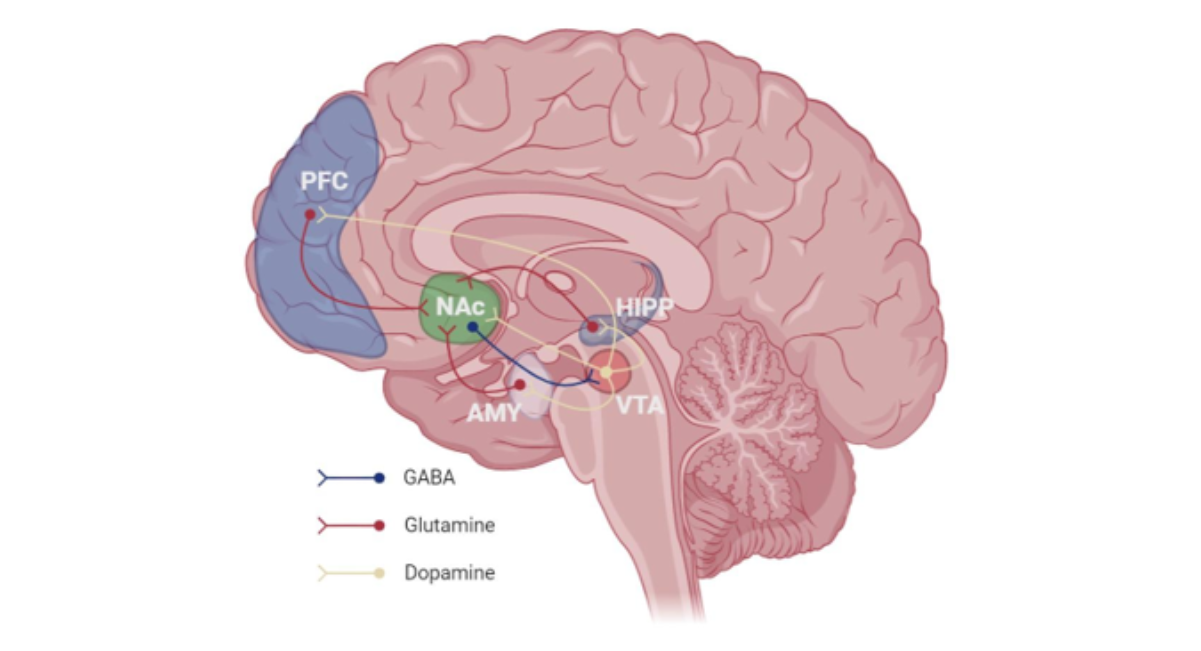
Figure 2: Brain Reward Circuit and Neurotransmitter Dysregulation in Addiction
Source: Neurobiological reward circuit involved in addiction, showing the interaction between the ventral tegmental area, nucleus accumbens, prefrontal cortex, amygdala, and hippocampus
One of the most important advances highlighted by this review is the growing recognition of neuroinflammation as a central contributor to addiction progression. Chronic activation of microglia and astrocytes promotes persistent production of inflammatory cytokines, oxidative stress, and synaptic dysfunction, thereby reinforcing maladaptive neural plasticity and increasing vulnerability to relapse. These findings suggest that neuroimmune interactions should be considered alongside neurotransmitter dysregulation when developing future therapeutic strategies. Anti-inflammatory interventions remain investigational, yet accumulating evidence indicates that modulation of inflammatory pathways may enhance treatment outcomes when combined with established pharmacological and behavioral therapies.
Figure 2: Brain Reward Circuit and Neurotransmitter Dysregulation in Addiction
Source: Neurobiological reward circuit involved in addiction, showing the interaction between the ventral tegmental area, nucleus accumbens, prefrontal cortex, amygdala, and hippocampus
One of the most important advances highlighted by this review is the growing recognition of neuroinflammation as a central contributor to addiction progression. Chronic activation of microglia and astrocytes promotes persistent production of inflammatory cytokines, oxidative stress, and synaptic dysfunction, thereby reinforcing maladaptive neural plasticity and increasing vulnerability to relapse. These findings suggest that neuroimmune interactions should be considered alongside neurotransmitter dysregulation when developing future therapeutic strategies. Anti-inflammatory interventions remain investigational, yet accumulating evidence indicates that modulation of inflammatory pathways may enhance treatment outcomes when combined with established pharmacological and behavioral therapies.
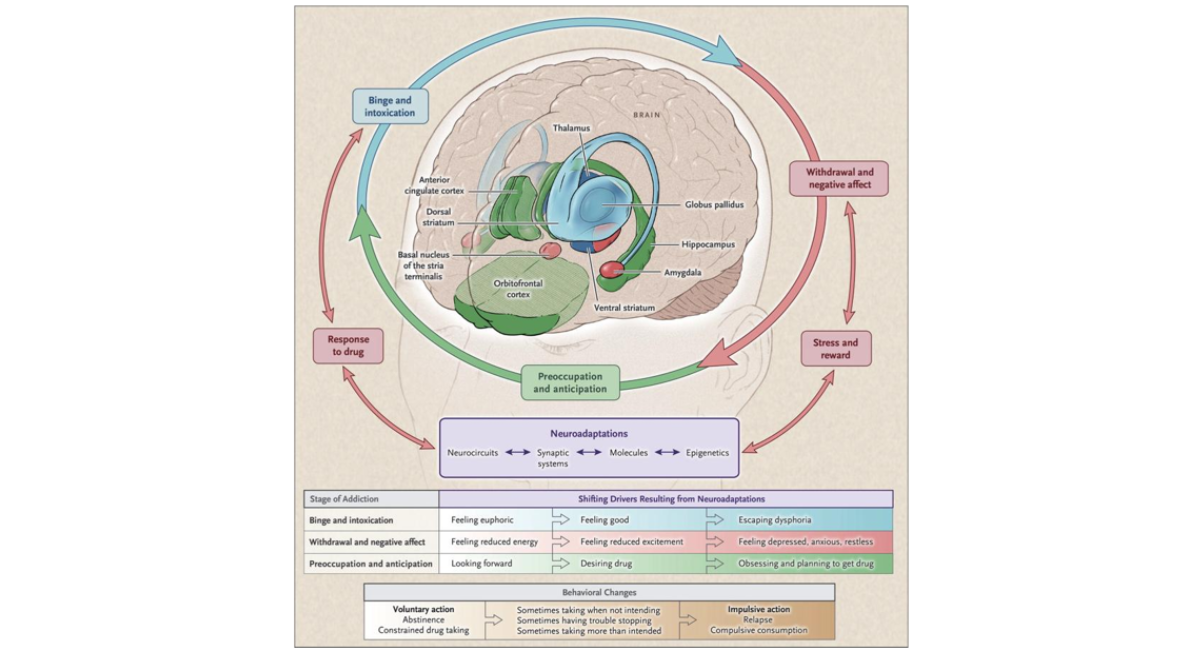
Figure 3: Neurobiological Mechanisms of Addiction
Source: Interaction among neurotransmitter dysregulation, neuroinflammation, and synaptic plasticity during addiction progression.
The review also emphasizes the importance of epigenetic regulation in maintaining addictive behaviors. Drug-induced changes in DNA methylation, histone modification, and non-coding RNA expression alter transcriptional activity within reward-related neural circuits, producing long-lasting behavioral adaptations. Unlike inherited genetic variation, epigenetic modifications are potentially reversible, creating opportunities for novel therapeutic approaches targeting chromatin remodeling and gene regulation. Although clinical application remains limited, these discoveries represent one of the most promising directions in translational addiction research.
Another emerging concept addressed in this review is the role of the gut–brain axis. Alterations in intestinal microbiota influence immune activation, neurotransmitter production, endocrine signaling, and stress responsiveness, thereby affecting vulnerability to addiction and treatment outcomes. While current evidence is derived primarily from experimental models and early clinical investigations, microbiome-based interventions may eventually complement conventional pharmacotherapy and behavioral treatment. Additional longitudinal human studies are required to determine the clinical relevance of these observations.
Behavioral and environmental determinants remain indispensable components of addiction. The statistical analyses and reviewed literature consistently demonstrate that psychiatric disorders, unemployment, socioeconomic disadvantage, trauma, and chronic psychological stress substantially increase addiction risk and relapse probability. These observations reinforce the biopsychosocial model by illustrating that addiction develops through interactions between biological susceptibility and adverse environmental exposures. Consequently, effective management requires integrated treatment programs that address both neurobiological dysfunction and psychosocial determinants of health.
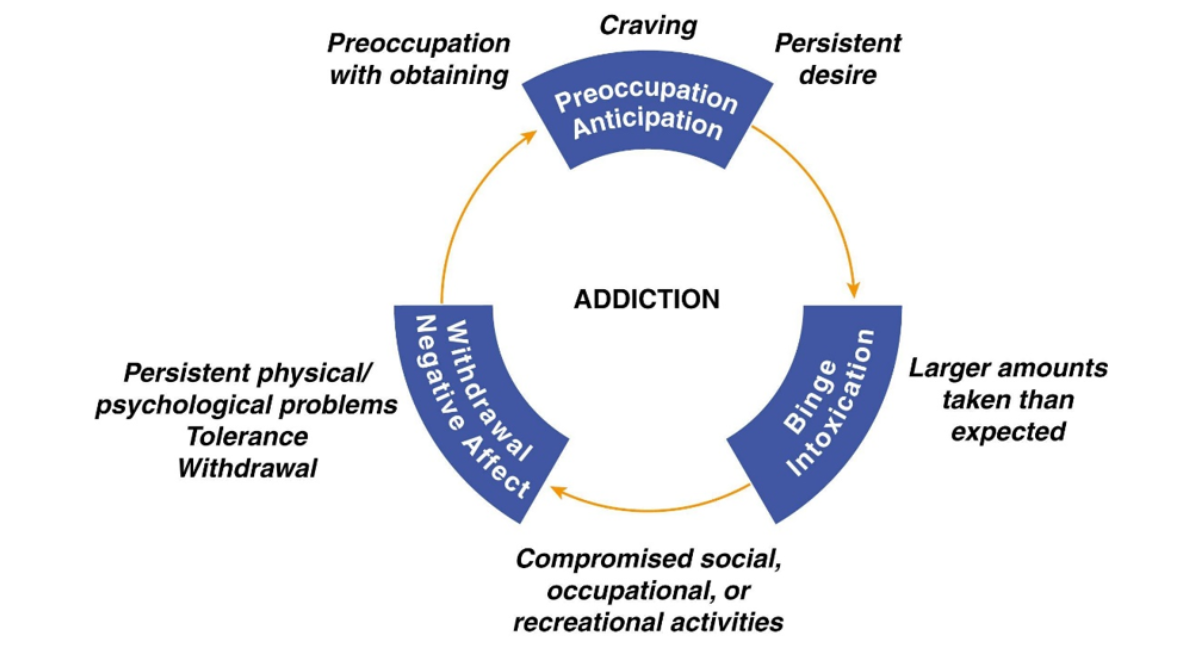
Figure 4: Cycle of Addiction and Relapse
Source: Behavioral cycle of addiction illustrating the transition from initial substance use to intoxication, withdrawal, craving, relapse, and compulsive dependence.
Digital addiction has emerged as another important dimension of contemporary addiction science. Excessive engagement with smartphones, social media, online gaming, and internet gambling activates reward circuits that overlap considerably with those involved in substance dependence. Although behavioral addictions differ clinically from substance use disorders, shared mechanisms involving reinforcement learning, cue-induced craving, and impaired inhibitory control suggest that unified theoretical models may improve understanding of compulsive behaviors across different contexts. Future research should determine whether therapeutic approaches developed for substance dependence can be effectively adapted for digital behavioral addictions.
The present review further highlights the potential of precision medicine to transform addiction management. Advances in pharmacogenomics, neuroimaging, biomarker discovery, wearable technologies, artificial intelligence, and machine learning create opportunities for individualized prevention, diagnosis, and treatment. Predictive models capable of identifying relapse risk and tailoring pharmacological interventions according to biological characteristics may substantially improve long-term recovery rates while minimizing unnecessary treatment exposure. Nevertheless, large prospective clinical studies are required before precision medicine can become standard practice in addiction care.
Despite these strengths, several limitations should be acknowledged. The review relied primarily on published literature and secondary epidemiological datasets, making the findings dependent on the quality and heterogeneity of existing evidence. Differences in study design, diagnostic criteria, population characteristics, and outcome measures limited direct comparison across investigations. Publication bias and restriction to English-language publications may also have influenced the evidence base. Furthermore, while the proposed conceptual framework integrates current knowledge, it requires validation through future longitudinal, translational, and multi-omics research.
Figure 5: Integrated Biopsychosocial Model of Addiction
Source: Integrated biopsychosocial model showing the interaction among biological, psychological, social, and environmental factors in the development and maintenance of addiction.
Overall, this review supports a paradigm shift from reductionist models centered exclusively on dopamine toward an integrated systems approach incorporating neurobiology, immunology, genetics, epigenetics, behavioral science, environmental determinants, and digital health. Such an approach provides a more comprehensive explanation of addiction pathogenesis and offers a stronger foundation for developing innovative preventive and therapeutic strategies.
Novelty, Clinical Implications, and Future Directions
The present review extends beyond the traditional description of addiction as a disorder driven primarily by dopaminergic reward dysfunction by presenting a comprehensive framework that integrates contemporary advances in neuroscience, psychiatry, immunology, molecular biology, and precision medicine. Rather than focusing on a single neurochemical pathway, this review highlights addiction as a complex, multidimensional disorder arising from dynamic interactions among neurotransmitter systems, neuroinflammatory processes, epigenetic regulation, synaptic plasticity, the gut–brain axis, environmental influences, and behavioral adaptations. This broader perspective provides a more comprehensive understanding of the biological and psychosocial mechanisms that contribute to the initiation, progression, and persistence of addictive behaviors.
A distinctive contribution of this review is the integration of emerging evidence from multiple scientific disciplines into a unified conceptual framework. Recent studies indicate that chronic neuroinflammation, immune dysregulation, and alterations in gut microbiota influence neural signaling and behavioral responses, complementing the well-established roles of dopamine, glutamate, and γ-aminobutyric acid (GABA). Similarly, advances in epigenetics have demonstrated that environmental exposures and repeated substance use can induce long-lasting changes in gene expression that influence addiction vulnerability and relapse risk. By synthesizing these interconnected mechanisms, the proposed framework offers a more holistic interpretation of addiction than models centered solely on neurotransmitter imbalance.
The review also emphasizes the growing role of precision medicine in addiction research and clinical practice. The integration of genetic profiling, digital health technologies, artificial intelligence, and biomarker-guided therapeutic strategies has the potential to improve early diagnosis, individualize treatment selection, and enhance relapse prevention. Nevertheless, significant challenges remain, including limited access to advanced diagnostic technologies, variability in healthcare infrastructure, ethical considerations related to genetic information, and the need for large prospective studies to validate emerging biomarkers before widespread clinical implementation.
Despite substantial scientific progress, several important knowledge gaps continue to limit the translation of experimental discoveries into routine clinical practice. Many proposed biomarkers require independent validation, the long-term clinical significance of gut–brain interactions remains incompletely understood, and evidence supporting personalized therapeutic approaches is still evolving. Future multidisciplinary research combining neuroscience, molecular biology, behavioral science, digital health, and public health will be essential for refining precision treatment strategies and improving long-term outcomes for individuals affected by addiction.
Overall, this review provides an updated and integrative perspective that combines mechanistic evidence, behavioral science, and contemporary epidemiological findings within a single conceptual framework. By emphasizing the interaction between biological mechanisms and environmental influences while highlighting emerging therapeutic opportunities, the review contributes to a more comprehensive understanding of addiction and identifies important directions for future research, clinical practice, and public health policy.
CONCLUSION
Addiction is a complex, chronic, and relapsing disorder that arises from dynamic interactions among neurobiological, psychological, environmental, and social factors rather than from dysfunction of a single neurotransmitter system. This integrative review demonstrates that addiction is driven by coordinated alterations in dopaminergic, glutamatergic, GABAergic, serotonergic, and endogenous opioid signaling, together with neuroinflammation, epigenetic regulation, synaptic plasticity, gut–brain axis communication, and behavioral adaptations. These interconnected mechanisms collectively influence addiction vulnerability, disease progression, treatment response, and relapse, highlighting the need for a broader systems-based understanding of addictive disorders.
A major contribution of this review is the development of an integrative conceptual framework that combines established neurobiological mechanisms with emerging evidence from immunology, epigenetics, microbiome research, digital addiction, and precision medicine. By synthesizing current mechanistic knowledge with secondary epidemiological evidence, the review provides a comprehensive perspective that bridges basic neuroscience, clinical psychiatry, and public health. This multidimensional approach offers a more complete explanation of addiction pathogenesis than traditional models focused primarily on dopaminergic reward pathways.
The findings further emphasize that effective addiction management requires multidisciplinary strategies integrating pharmacological treatment, behavioral interventions, psychosocial support, digital health technologies, and individualized therapeutic approaches guided by advances in pharmacogenomics, biomarkers, neuroimaging, and artificial intelligence. Although these innovations show considerable promise, further longitudinal, multicenter, and translational studies are needed to validate emerging biomarkers, establish causal mechanisms, and determine the long-term effectiveness of precision medicine in diverse populations.
Overall, this review highlights the ongoing evolution of addiction science from reductionist neurochemical models toward an integrated systems-based paradigm that incorporates biological, behavioral, environmental, and technological dimensions of disease. Continued interdisciplinary collaboration among neuroscientists, clinicians, psychologists, geneticists, data scientists, and public health researchers will be essential for translating these scientific advances into more effective prevention strategies, personalized treatments, and improved long-term outcomes for individuals affected by addiction worldwide.
ACKNOWLEDGMENT
The completion of this research assignment could not have been possible without the contributions and assistance of many individuals and groups. We’re. Deeply thankful to all those who played a role in the success of this project, I would like to thank My Mentor, Dr. Naweed Imam Syed Prof department of Cell Biology, at the University of Calgary and for their useful input and guidance for the duration of the research project. Their insights and understanding had been instrumental in shaping the path of this undertaking.
AUTHORS’ CONTRIBUTION
I would like to express our sincere thanks to all members of our study, who generously shared their time, research, and insights with us. Their willingness to engage with our research was essential to the success of this assignment, and we are deeply thankful for their participation.
CONFLICT OF INTEREST
The authors declare no conflict of interest.
FUNDING AND FINANCIAL SUPPORT
The authors received no financial support for the research, authorship, and/or publication of this.
REFERENCES
- Volkow ND, Koob GF, McLellan AT. Neurobiologic advances from the brain disease model of addiction. New England journal of medicine. 2016;374(4):363-71. [Crossref] [Google Scholar] [PubMed]
- American Psychiatric Association. Diagnostic and Statistical Manual of Mental Disorders. 5th ed. Washington (DC): APA; 2013.
- World Health Organization. Global Status Report on Alcohol and Health 2024. Geneva: WHO; 2024. [Crossref] [Google Scholar]
- United Nations Office on Drugs and Crime. World Drug Report 2025. Vienna: UNODC; 2025.
- Grant JE, Potenza MN, Weinstein A, Gorelick DA. Introduction to behavioral addictions. The American journal of drug and alcohol abuse. 2010;36(5):233-41. [Crossref] [Google Scholar] [PubMed]
- Brand M, Young KS, Laier C, Wölfling K, Potenza MN. Integrating psychological and neurobiological considerations regarding addictive behaviors. Neurosci Biobehav Rev. 2019;104:1–10. [Crossref] [PubMed]
- Koob GF, Volkow ND. Neurobiology of addiction: a neurocircuitry analysis. The lancet psychiatry. 2016 ;3(8):760-73. [Crossref] [Google Scholar] [PubMed]
- Nestler EJ. Cellular basis of memory for addiction. Dialogues in clinical neuroscience. 2013;15(4):431-43. [Crossref] [Google Scholar] [PubMed]
- Kalivas PW. The glutamate homeostasis hypothesis of addiction. Nature reviews neuroscience. 2009;10(8):561-72. [Crossref] [Google Scholar] [PubMed]
- Everitt BJ, Robbins TW. Drug addiction: updating actions to habits to compulsions ten years on. Annual review of psychology. 2016 Jan 4;67(1):23-50. [Crossref] [Google Scholar] [PubMed]
- Kurhaluk N, Kamiński P, Tkaczenko H. Neurological and Psychological Components of Alcohol-Dependent States. InPsychoNeuroImmunology: Volume 2: Interdisciplinary Approaches to Diseases 2025 (pp. 523-560). Cham: Springer Nature Switzerland. [Google Scholar]
- Crews FT, Lawrimore CJ, Walter TJ, Coleman LG . The role of neuroimmune signaling in addiction. Pharmacol Rev. 2017;69(3):287–320. [Crossref] [PubMed]
- Cryan JF, O'Riordan KJ, Cowan CS, Sandhu KV, Bastiaanssen TF, et al. The microbiota-gut-brain axis. Physiological reviews. 2019;99(4):1877-2013. [Google Scholar]
- Simpson CA, Diaz-Arteche C, Eliby D, Schwartz OS, et al. The gut microbiota in anxiety and depression–a systematic review. Clinical psychology review. 2021;83:101943. [Crossref] [Google Scholar] [PubMed]
- Robison AJ, Nestler EJ. Transcriptional and epigenetic mechanisms of addiction. Nature reviews neuroscience. 201;12(11):623-37. [Crossref] [Google Scholar] [PubMed]
- Sinha R. New findings on biological factors predicting addiction relapse vulnerability. Current psychiatry reports. 2011;13(5):398-405. [Crossref] [Google Scholar] [PubMed]
- Volkow ND, Blanco C. Substance use disorders: a comprehensive update. N Engl J Med. 2023;389(11):975–986. [Crossref]
- Kelly JF, Greene MC. Recovery from substance use disorder. Lancet. 2024;403:1022–1035. [PubMed]
- Montag C, Wegmann E, Sariyska R, Demetrovics Z, Brand M. How to overcome taxonomical problems in the study of Internet use disorders and what to do with “smartphone addiction”? Journal of behavioral addictions. 2021;9(4):908-14. [Crossref] [Google Scholar] [PubMed]
- Paulus MP, Stewart JL. Reduced Striatal Reward Activation in Anxious and Depressed Cannabis Users. Biol Psychiatry. 2020;87(1):25–33. [Crossref]
- Insel TR. Digital phenotyping and precision psychiatry. World Psychiatry. 2022;21(3):394–395. [Crossref] [PubMed]
- National Institute on Drug Abuse. Drugs, Brains, and Behavior: The Science of Addiction . Bethesda (MD): NIDA; 2024.
- Koob GF, Mason BJ. Existing and future pharmacotherapies for addiction. Neuropharmacology. 2023;221:109266. [Crossref]
- Volkow ND, Gordon JA, Koob GF. Choosing appropriate language to reduce the stigma around mental illness and substance use disorders. [Crossref]
- World Health Organization. Mental health atlas 2024. World Health Organization; 2025 Sep 1. [Google Scholar]