
Journal of Mental Health Research and Innovation


ABSTRACT
Objectives: This study investigated the impact of social media and body image on mental health among adults receiving treatment at the Federal Neuro-Psychiatric Hospital (FNPH) in Barnawa, Kaduna, Nigeria.
Method: A quantitative, cross-sectional correlational design was employed, utilizing a purposive sample of 60 patients (20 males, 40 females) with diagnoses of depression and anxiety disorders. Data were collected using standardized instruments: the Bergen Social Media Addiction Scale (BSMAS), the Body Image Disturbance Questionnaire (BIDQ) and the Depression, Anxiety and Stress Scale (DASS-21).
Results: Analysis using simple and multiple linear regression, alongside univariate ANOVA, yielded key findings. Social media use alone was not a significant predictor of mental health disorders (β = .06, p = .64). However, body image dissatisfaction was a strong and significant predictor (β = .52, p < .001), accounting for 27% of the variance in mental health disorder scores. The combined model of social media use and body image was significant, though the predictive power was solely attributed to body image dissatisfaction. Furthermore, no statistically significant gender differences were found in these relationships.
Conclusion: The study concludes that while social media use in isolation may not directly predict mental health disorders in this clinical population, body image dissatisfaction are a critical and significant factor. The findings underscore the need for clinicians at FNPH and similar settings to integrate body image interventions into mental health treatment plans and develop public health strategies focused on promoting positive body image, particularly within Nigeria's unique socio-cultural context.
Keywords: Social Media; Body Image; Mental Health Patients; Kaduna State; Nigeria
INTRODUCTION
Social media influence has developed the landscape of modern human interaction, graduating from a simple communication tool into a pervasive ecosystem that influentially shapes socialization, our believes, self-concept and reality perception. International research consistently demonstrates a strong correlation between excessive, passive social media use and a spectrum of negative psychological problems/challenges. Among these include heightened body dissatisfaction, diminished self-esteem and the development or exacerbation of mental health disorders such as anxiety, depression, eating pathologies and others [1,2].
In 2023 alone, according to Data Reportal, there are over 4.9 billion social media users worldwide, who collectively spend billions of hours each day on social media platforms, averaging 2 hours and 31 minutes per user daily [3]. In line with this, United States Department of Health and Human Services (2023), through U.S. Surgeon General's 2023 advisory sounded a stark alarm, highlighting a "substantial and growing" body of robust evidence linking social media use to rising rates of depression, anxiety symptomatology and eating disorders among youth and young adults. The advisory noted that 95% of adolescents aged 13-17 report using a social media platform, with more than a third saying they use it "almost constantly".
In a survey of college students by Banyai, nearly half of the population demonstrated problematic social media use which was shown through mood changes, negative affect when social media is unavailable, and experiencing negative consequences in real-life because of extreme social media use [4]. Saiphoo, suggested that practically no significant direct relationship has been found between social media and mental health; however, they noted that examining nuances within the data may reveal additional effects [5].
This behavior cultivates and reinforces unrealistic, narrow and often physiologically unattainable beauty standards and content such as filtered images, "thinspiration" (content glorifying extreme thinness), and "fitspiration" (content promoting idealized, lean, and highly muscular athletic physiques), dominates user feeds, directly driving body dissatisfaction and pathological behaviors.
For instance, a longitudinal study by Fardouly, found that engagement with fitspiration content was predictive of compulsive exercise and disordered eating patterns, symptoms affecting a significant portion of young adults, with one study estimating excessive exercise in 7% of this demographic [6,7].
Body image is a broad concept that describes how someone feels about their physical appearance and how they perceive it. Personal experiences, cultural ideals and social norms interact in a complex way that can have a big impact on mental health. Particularly negative body image has been connected to a variety of mental health problems, such as eating disorders, depression and anxiety. Given the growing pressure on people to adhere to societal beauty standards, the effect of negative body image on mental health is a crucial and timely subject.
A clear connection between poor body image and mental health problems has been found by research. Negative body image has been linked to an increased risk of eating disorders, depression and anxiety, according to studies [8,9,10]. Poor self-esteem, social anxiety and a decreased quality of life can all result from negative body image [8]. Additionally, studies have shown that having a poor body image increases the likelihood of having suicidal thoughts and actions [11].
In Nigeria, the situation is not far-fetched. According to Nigerian Communications Commission, Social media penetration in Nigeria has surged, now encompassing over 50% of the population, with adolescents and young adults constituting the largest and most active user demographic [12].
This rapid digital integration occurs within a unique and dynamic sociocultural milieu. Traditional African body ideals, which have historically valued fuller, more voluptuous figures as symbols of health, wealth, and fertility, are increasingly intersecting with and being challenged by globalized Western standards that often privilege thinness, lighter skin tones and specific European facial features [13,14]. This cultural collision can create significant psychological conflict and identity dissonance, particularly for young Nigerians who must navigate their self-worth in both their immediate physical communities and the pervasive digital space, which often privileges Western aesthetics. The pressure to conform to these hybridized, often contradictory, beauty standards can exacerbate underlying psychological vulnerabilities.
There is a profound absence of empirical, context-specific investigation into the impact of social media, body image and its subsequent effect on mental health among Nigerian psychiatric patients. This is a critical omission, as clinicians at Federal Neuropsychiatric Hospital, Barnawa, Kaduna and similar facilities have anecdotally reported a rising incidence of eating disorders, body dysmorphic concerns and anxiety directly linked to digital media consumption among their patient population [15].
The rise in social media usage has coincided with increasing cases of body dissatisfaction and mental health disorders. Studies in Western countries have established a strong link between social media, negative body image and conditions like anxiety and depression. However, there is a lack of localized research in Nigeria, particularly in Kaduna State, nationally and internationally, examining how these factors interact among psychiatric patients.
Given Nigeria’s unique socio-cultural context where Western beauty standards often clash with traditional ideals it is crucial to investigate how social media, body image influences mental health in this setting. This study aims to fill that gap by assessing the impact of social media and body image dissatisfaction and its contribution to anxiety, depression and other psychopathologies among patients at FNPH, Kaduna. The hypotheses are thus:
- Could social media use significantly predict mental health disorders among patients in Federal Neuro-Psychiatric Hospital, Barnawa, Kaduna?
- Could body image dissatisfaction significantly predict mental health disorders among patients in Federal Neuro-Psychiatric Hospital, Barnawa, Kaduna?
- Could there be a significant combined relationship between social media use and body image on mental health disorders among patients in Federal Neuro-Psychiatric Hospital, Barnawa, Kaduna?
- Could there be a statistically significant gender difference in the effects of social media use on body image and mental health among patients in Federal Neuro-Psychiatric Hospital, Barnawa, Kaduna?
MATERIALS AND METHODS
Participants
The study included 60 adult patients; female (40) and male (20) (aged 18-65 years) at Federal Neuropsychiatric Hospital, (FNPH), Barnawa, Kaduna, who are currently undergoing treatment and who were previously implicated or have shown symptoms of depression, anxiety and seizure Disorder, Schizophrenia, addiction and other mental health conditions as certified by a Clinical Psychologist and Psychiatrist, using Depression, Anxiety, and Stress Scale (DASS-21), others psychometrics, DSM-5 criteria using purposive sampling method.
All participants had a primary diagnosis of either major depressive disorder or generalized anxiety disorder as confirmed by their treating Psychiatrist and Clinical Psychologist using Depression, Anxiety, and Stress Scale (DASS-21) and American Psychiatric Association Diagnostic and Statistical Manual of Mental Disorders, fifth Edition Text Revision) (DSM-5-TR) [16]. This diagnostic specificity ensures homogeneity in the sample regarding core mental health symptoms while allowing for examination of variability in social media use and body image concerns. Participants also reported active social media usage of at least one hour per day, as preliminary data suggests this represents a threshold for meaningful engagement with social media platforms. Additional inclusion criteria include: ability to provide informed consent, willingness to complete the assessment battery and literacy in either English or Hausa (interpretation carried out by the researcher). Exclusion criteria eliminate: Patients with comorbid psychotic disorders or acute manic episodes, those with severe cognitive impairments that would compromise comprehension and individuals currently experiencing suicidal ideation requiring immediate intervention.
Instruments
The study employed three well-validated psychological instruments alongside a demographic questionnaire:
- The Body Image Disturbance Questionnaire (BIDQ) is a 7-item self-report measure designed to assess body image dissatisfaction and associated distress [17]. The BIDQ evaluates preoccupation with perceived appearance flaws, emotional distress, and functional impairment related to body image. Items are rated on a 5-point Likert scale (1 = not at all to 5 = extremely), with higher scores indicating greater body image disturbance. The BIDQ has demonstrated strong internal consistency (α = 0.89) and convergent validity with other body image measures [8]. It has been widely used in clinical and non-clinical populations to assess body dysmorphic concerns. In Nigeria, Hurst, reported a good internal reliability, with a Cronbach's alpha of 0.82 [15]. with BIDQ. The scale also demonstrated satisfactory construct validity, significantly correlating with other measures of body esteem and eating pathology, supporting its applicability for assessing body image disturbance in Nigerian samples.
- The Bergen Social Media Addiction Scale (BSMAS) is a 6-item self-report tool based on the six core components of addiction (salience, mood modification, tolerance, withdrawal, conflict, and relapse) [18]. Respondents rate their social media use on a 5-point Likert scale (1 = very rarely to 5 = very often), with higher scores (≥19) indicating problematic use. The BSMAS has shown good reliability (α = 0.82–0.88) and correlates with other addiction measures [18]. It is widely used to assess social media dependency in adolescents and adults. In the Nigerian context, the scale has demonstrated strong psychometric properties. A study by Ogunbajo validated the BSMAS among Nigerian adults and reported excellent internal consistency (Cronbach's α = 0.86) [7]. The scale also showed good convergent validity, correlating significantly with measures of internet addiction and psychological distress, confirming its utility for assessing social media addiction in the Nigerian population.
- Depression, Anxiety, and Stress Scale (DASS-21)
The DASS-21 is a 21-item self-report measure assessing three emotional states: depression, anxiety, and stress [19]. Each subscale contains 7 items rated on a 4-point severity scale (0 = did not apply to me at all to 3 = applied to me very much). Higher scores indicate greater psychological distress. The DASS-21 has strong internal consistency (α = 0.88–0.93) and convergent validity with other mental health scales [20]. It is widely used in clinical and research settings to screen for emotional disorders.
The DASS-21 has been extensively validated in Nigeria [21] conducted a psychometric evaluation of the DASS-21 among Nigerian adults and found excellent internal consistency for the total scale (α = 0.93) and its subscales: Depression (α = 0.88), Anxiety (α = 0.84), and Stress (α = 0.90). Confirmatory factor analysis supported the original three-factor structure, and the scale showed strong convergent validity with other established measures of psychological distress, confirming its robustness for use in the Nigerian context.
Procedure
The study was made possible by the Ethical Committee of Federal Neuropsychiatric Hospital, Kaduna who approved the conduction of the research with participants from different wards of FNPH, Barnawa, Kaduna. Before administering the research instruments; (The Body Image Disturbance Questionnaire (BIDQ), Bergen Social Media Addiction Scale (BSMAS) and Depression, Anxiety, and Stress Scale (DASS-21)), participants duly consented by signing a consent form and participation was voluntary. The clinical interview and diagnosis were made by the Consultant Psychiatrist. However, researcher further conducted clinical interview and assessment to further ascertain diagnosis, presence of psychopathology and data collection, before they were finally recruited into the study. 75 questionnaires were administered to participants in the study. However, fifteen (15) questionnaires weren’t properly filled, incomplete and discarded. At the end of the exercise, 60 questionnaires were obtained, valid and adopted for the study. The 60 obtained, valid and adopted questionnaires were used to analyze the data.
Design and Statistics
The study is a cross sectional design made to examine the impact of social media, body image and the relationships between social media addiction, body image disturbance and mental health symptoms among 60 patients. It consists of two independent variables (I.V.); namely, social media and body image while mental health of the patients serves as the dependent variables (D. Vs). The study used the Statistical Package for Social Sciences (SPSS) version 27 to analyze the data. Descriptive statistics used were frequency, percentages, means and standard deviations while the inferential statistics used for the test of hypotheses were simple linear Regression, Multiple Regression and Univariate Analysis of Variance.
RESULTS
|
Variable |
Category |
Frequency |
Percent (%) |
|
Age Group (Years) |
19–25 (Young Adults) |
15 |
25 |
|
26–35 (Middle Adults) |
31 |
51.7 |
|
|
36 and above (Older Adults) |
14 |
23.3 |
|
|
Total |
60 |
100% |
|
|
Sex |
Male |
20 |
33.3 |
|
Female |
40 |
66.7 |
|
|
Total |
60 |
100% |
|
|
Marital Status |
Single |
39 |
65 |
|
Married |
13 |
21.7 |
|
|
Divorced |
2 |
3.3 |
|
|
Widowed |
2 |
3.3 |
|
|
Separated |
4 |
6.7 |
|
|
Total |
60 |
100% |
|
|
Educational Qualification |
No formal education |
1 |
1.7 |
|
Primary |
2 |
3.3 |
|
|
Junior Secondary School (JSS) |
1 |
1.7 |
|
|
Senior Secondary School (SSS) |
21 |
35 |
|
|
Tertiary |
30 |
50 |
|
|
Postgraduate |
5 |
8.3 |
|
|
Total |
60 |
100% |
|
|
Ethnicity |
Hausa |
20 |
33.3 |
|
Yoruba |
14 |
23.3 |
|
|
Igbo |
9 |
15 |
|
|
Nupe |
2 |
3.3 |
|
|
Others |
15 |
25 |
|
|
Total |
60 |
100% |
|
|
Religion |
Islam |
30 |
50 |
|
Christianity |
26 |
43.3 |
|
|
Traditionalist |
4 |
6.7 |
|
|
Total |
60 |
100% |
Table 1: Demographic Characteristics of Participants
Table 1 presents the demographic characteristics of 60 participants aged between 19 and 58 years (M = 31.10, SD = 9.15). Over half of the participants (51.7%) were middle adults (26–35 years), while 25% were young adults (19–25 years), and 23.3% were older adults (36 years and above). In terms of sex, the majority were female (66.7%), whereas males constituted 33.3% of the sample. Regarding marital status, most participants were single (65%), followed by married individuals (21.7%), while a small proportion were separated (6.7%), widowed (3.3%), or divorced (3.3%). With respect to educational qualification, half of the respondents (50%) had tertiary education, 35% completed senior secondary school, and a smaller number (8.3%) held postgraduate qualifications. Only a few participants reported primary (3.3%), junior secondary (1.7%), or no formal education (1.7%). In terms of ethnic distribution, the Hausa ethnic group made up 33.3% of participants, followed by Yoruba (23.3%), Igbo (15%), Nupe (3.3%), and others (25%). Regarding religion, Islam was the most practiced (50%), followed by Christianity (43.3%), and Traditional religion (6.7%).
|
Variable |
Category |
Frequency |
Percent (%) |
|
Hospitalization Duration |
Less than 3 months |
29 |
48.3 |
|
3 months – 1 year |
13 |
21.7 |
|
|
1 – 3 years |
7 |
11.7 |
|
|
More than 3 years |
11 |
18.3 |
|
|
Total |
60 |
100% |
|
|
Primary Diagnosis |
None |
25 |
41.7 |
|
Bipolar Personality Disorder |
4 |
6.7 |
|
|
Seizure Disorder |
2 |
3.3 |
|
|
Depression |
1 |
1.7 |
|
|
Schizophrenia |
9 |
15 |
|
|
Addiction |
2 |
3.3 |
|
|
Mental Illness (unspecified) |
1 |
1.7 |
|
|
Epilepsy |
1 |
1.7 |
|
|
Typhoid |
1 |
1.7 |
|
|
Anxiety |
1 |
1.7 |
|
|
Substance Use Disorder |
10 |
16.7 |
|
|
Behavioral Disorder |
2 |
3.3 |
|
|
Personality Disorder |
1 |
1.7 |
|
|
Total |
60 |
100% |
|
|
Type of Patient |
None |
3 |
5 |
|
Outpatient |
12 |
20 |
|
|
Currently Inpatient |
37 |
61.7 |
|
|
Past Inpatient |
8 |
13.3 |
|
|
Total |
60 |
100% |
Table 2: Clinical Characteristics of Participants
Table 2 presents the clinical characteristics of the participants where it revealed that nearly half of the respondents (48.3%) had been hospitalized for less than three months, suggesting that most participants were relatively recent admissions. About 21.7% had stayed between three months and one year, while 11.7% had longer hospitalizations of one to three years. Only 18.3% reported being hospitalized for more than three years, reflecting a smaller proportion with chronic or long-term conditions.
Regarding primary diagnosis, a notable 41.7% of participants reported having no formal diagnosis, which may indicate either mild or undiagnosed conditions. Among those with diagnosed conditions, substance use disorders (16.7%) and schizophrenia (15%) were the most common. Other reported diagnoses included bipolar personality disorder (6.7%), behavioral disorders (3.3%), addiction (3.3%), and a few isolated cases of depression, anxiety, epilepsy, and typhoid (1.7% each).
In terms of patient type, the majority of participants (61.7%) were currently inpatients, suggesting active management of their conditions. Additionally, 20% were outpatients receiving follow-up care, while 13.3% were past inpatients who had previously been hospitalized. A small number (5%) reported no current or past admission status. Generally, the data indicate that most participants were currently admitted or had recent hospital experiences, with substance-related and psychotic disorders being the most prevalent diagnoses among those identified.
|
Variable |
Category |
Frequency |
Percent (%) |
|
Access to Smartphone or Computer |
No |
19 |
31.7 |
|
Yes, a smartphone |
16 |
26.7 |
|
|
Yes, a computer |
6 |
10 |
|
|
Yes, both |
19 |
31.7 |
|
|
Total |
60 |
100% |
|
|
Use of Any Social Media Platform |
No |
19 |
31.7 |
|
Yes |
41 |
68.3 |
|
|
Total |
60 |
100% |
|
|
Social Media Platforms Used Regularly |
|
18 |
30 |
|
|
8 |
13.3 |
|
|
Twitter/X |
3 |
5 |
|
|
TikTok |
6 |
10 |
|
|
Snapchat |
5 |
8.3 |
|
|
|
20 |
33.4 |
|
|
Total |
60 |
100% |
|
|
Time Spent on Social Media Daily |
Less than 30 minutes |
8 |
13.3 |
|
30 minutes – 1 hour |
14 |
23.3 |
|
|
1 – 2 hours |
8 |
13.3 |
|
|
3 – 4 hours |
18 |
30 |
|
|
5 hours or more |
12 |
20 |
|
|
Total |
60 |
100% |
Table 3: Digital Device Ownership and Social Media Use among Participants
Table 3 shows participants access to digital devices and social media use. About one-third (31.7%) reported having no access to a smartphone or computer, while an equal proportion (31.7%) had access to both devices. Additionally, 26.7% had access only to a smartphone, and 10% owned only a computer. This suggests that while digital access is relatively high, a significant portion of participants remain digitally excluded.
In terms of social media usage, most participants (68.3%) reported using at least one social media platform, whereas 31.7% did not engage in any form of social media use. Among those who were active on social media, WhatsApp (33.4%) and Facebook (30%) were the most frequently used platforms, followed by Instagram (13.3%), TikTok (10%), Snapchat (8.3%), and Twitter/X (5%). This pattern highlights the dominance of messaging and community-based platforms among users.
In terms of time spent online, the largest group (30%) reported spending between 3 to 4 hours daily on social media, followed by 20% who spent 5 hours or more. A smaller proportion used social media moderately 23.3% spent between 30 minutes to one hour, and 13.3% used it for less than 30 minutes or 1–2 hours daily.
Generally, the analysis suggest that majority of participants are socially connected through digital platforms, particularly WhatsApp and Facebook, with a substantial portion spending extended hours online each day. However, the notable minority without device access indicates potential disparities in digital inclusion within the group.
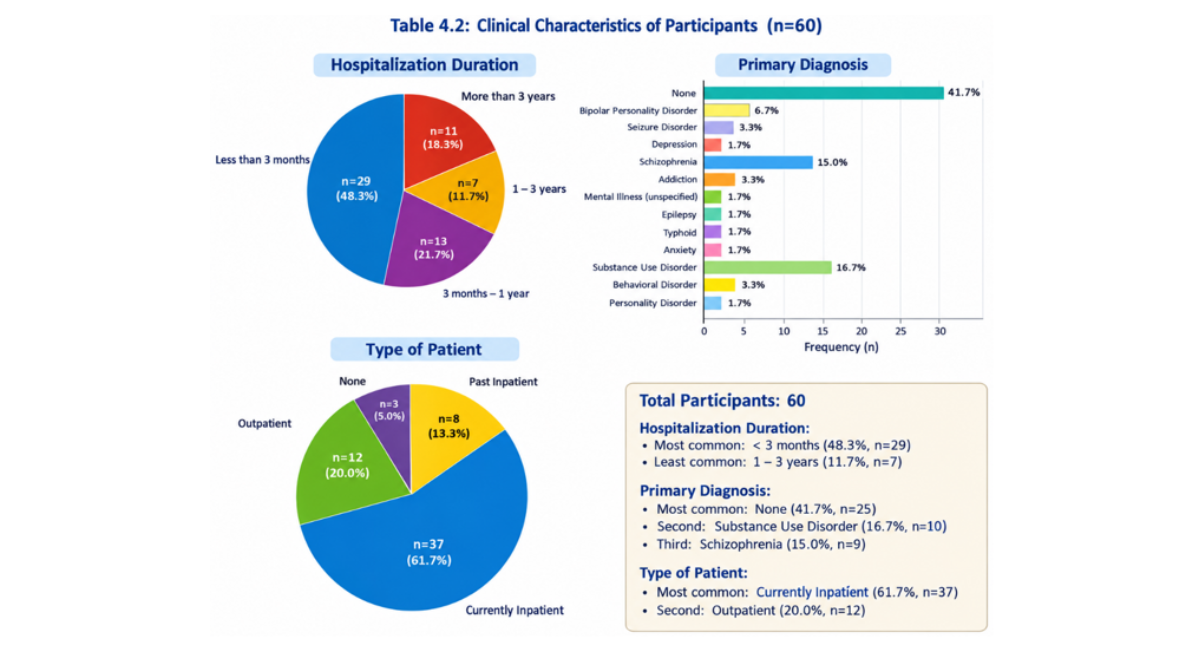
Figure 1: Clinical Characteristics of Participants (n = 60)
Summary of Key Findings:
Hospitalization Duration:
- Most participants (48.3%, n = 29) had been hospitalized for less than 3 months.
- The least common duration was 1 – 3 years (11.7%, n = 7).
Primary Diagnosis:
- The most frequent response was "None" (41.7%, n = 25).
- Substance Use Disorder was the second most common (16.7%, n = 10).
- Schizophrenia accounted for 15.0% (n = 9).
- Several conditions each represented only 1.7% (n = 1) of the sample.
Type of Patient:
- The majority (61.7%, n = 37) were currently inpatients.
- Outpatients comprised 20.0% (n = 12) of the sample.
- Past inpatients accounted for 13.3% (n = 8).
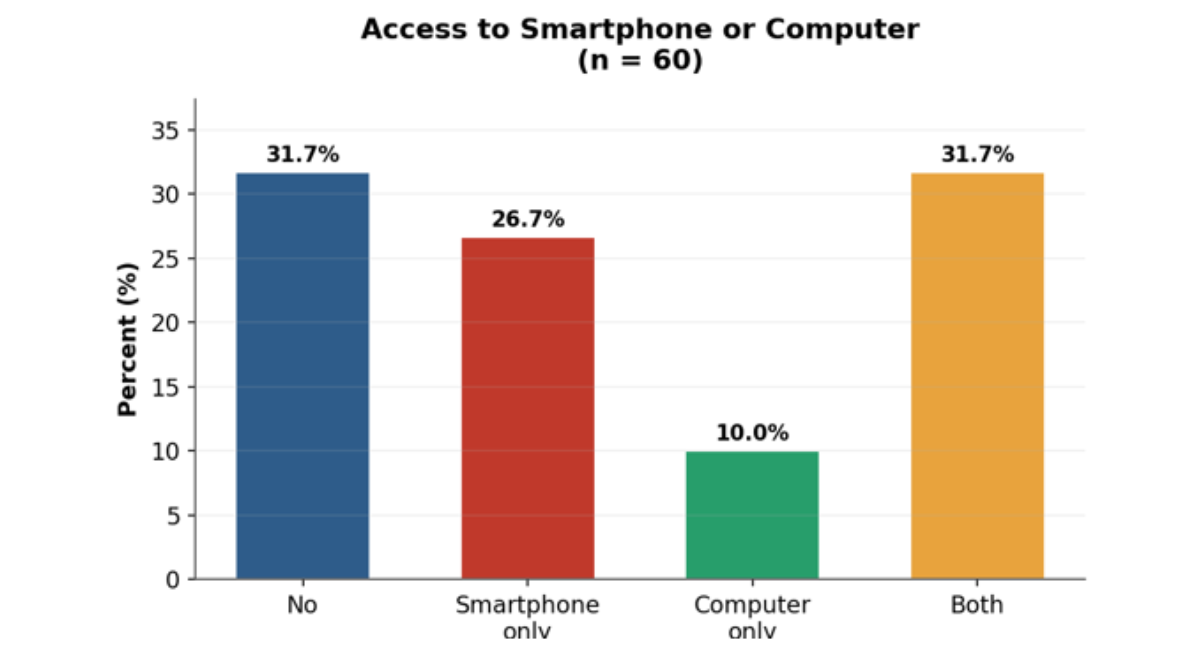
Figure 2: Percentage distribution of access to smartphone or computer
Access is evenly split between two extremes: 31.7% of participants had no access to either device, and an equal 31.7% had access to both a smartphone and a computer. Smartphone-only access accounted for 26.7%, while computer-only access was the least common at 10.0%.
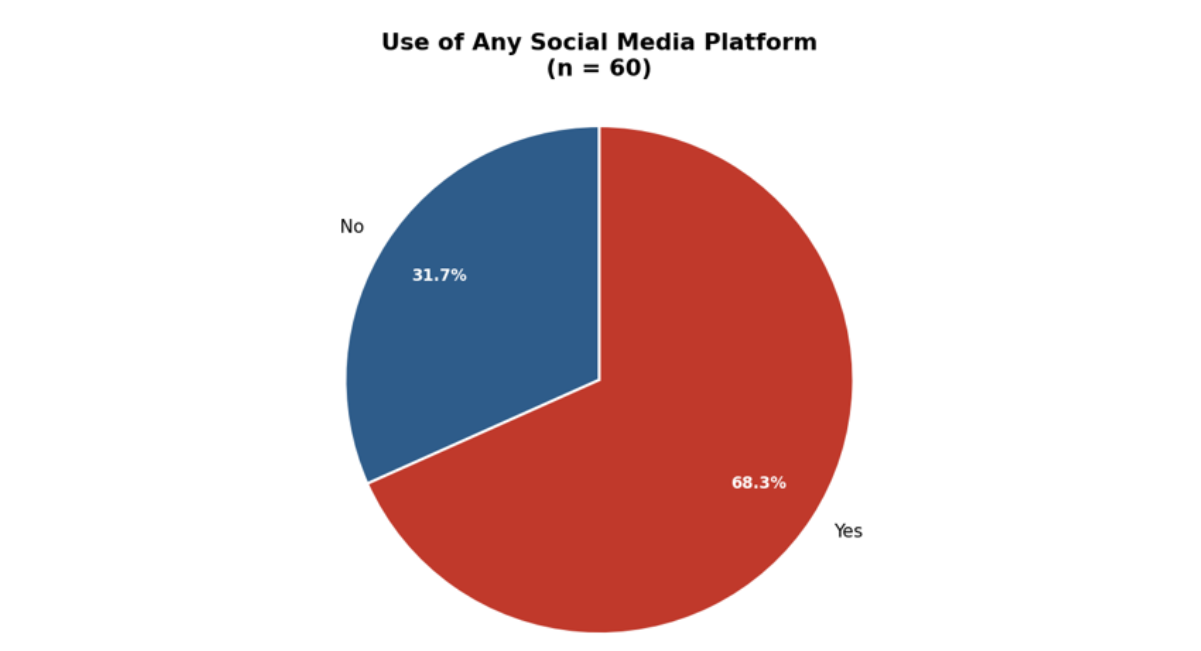
Figure 3: Percentage distribution of social media platform use
The majority of participants (68.3%) reported using at least one social media platform, while 31.7% reported no social media use at all.
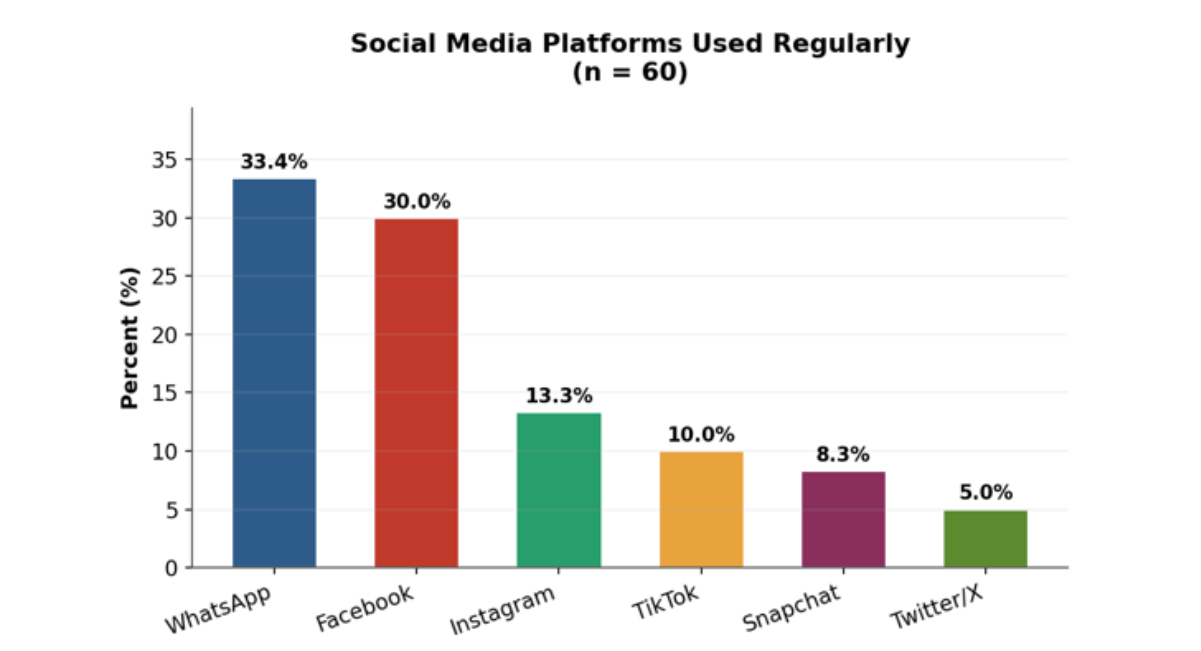
Figure 4: Percentage distribution of social media platforms used regularly (ranked)
Among specific platforms, WhatsApp was the most regularly used (33.4%), closely followed by Facebook (30.0%). Instagram (13.3%) and TikTok (10.0%) were used by a smaller share of participants, while Snapchat (8.3%) and Twitter/X (5.0%) were the least used platforms.
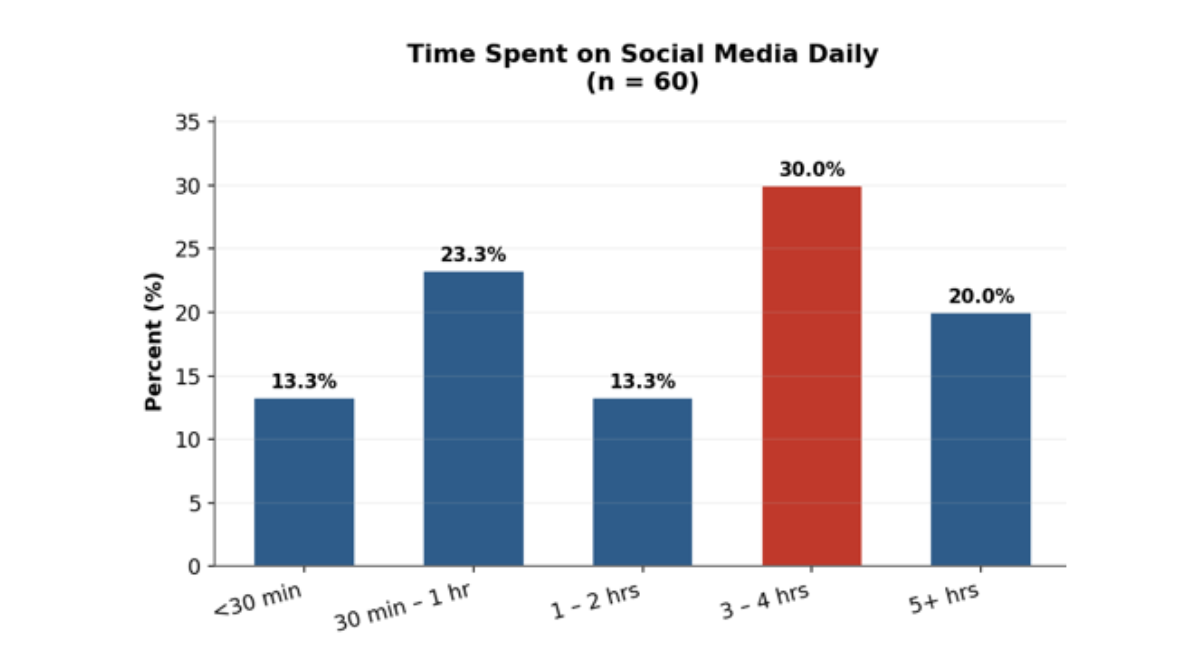
Figure 5: Percentage distribution of daily time spent on social media
The largest proportion of participants (30.0%) spent 3–4 hours daily on social media, followed by those spending 30 minutes to 1 hour (23.3%). One-fifth of participants (20.0%) spent 5 or more hours daily, while smaller and equal proportions (13.3% each) spent either less than 30 minutes or 1–2 hours.
Line Graph Illustrations of Study Relationships
This document presents line graphs illustrating the statistical relationships reported in each of the four tables below. Each graph plots a simulated data pattern (scatter points) together with a fitted trend line whose slope reflects the standardized coefficient (β) or effect size reported in the corresponding table, so the strength and direction of each relationship can be seen visually.
|
Predictor |
B |
SE B |
β |
t |
p |
|
Constant |
25.67 |
3.91 |
— |
6.56 |
0 |
|
Social Media Use |
0.13 |
0.27 |
0.06 |
0.47 |
0.64 |
Table 4: Social Media Use Predicting Mental Health Disorder
R = .06, R² = .004, Adjusted R² = –.013, F (1, 58) = 0.22, p = .64.
Note: Descriptive means/SDs for Social Media Use, Body Image Dissatisfaction, and Mental Health Disorder were not supplied with these tables, so plausible illustrative values were assumed (Mental Health Disorder ≈ 34 ± 11; Social Media Use ≈ 5 ± 2 hours/day; Body Image Dissatisfaction ≈ 20 ± 6) in order to generate data points consistent with the reported B, β, and F statistics. The graphs illustrate the reported relationships, not your raw dataset.
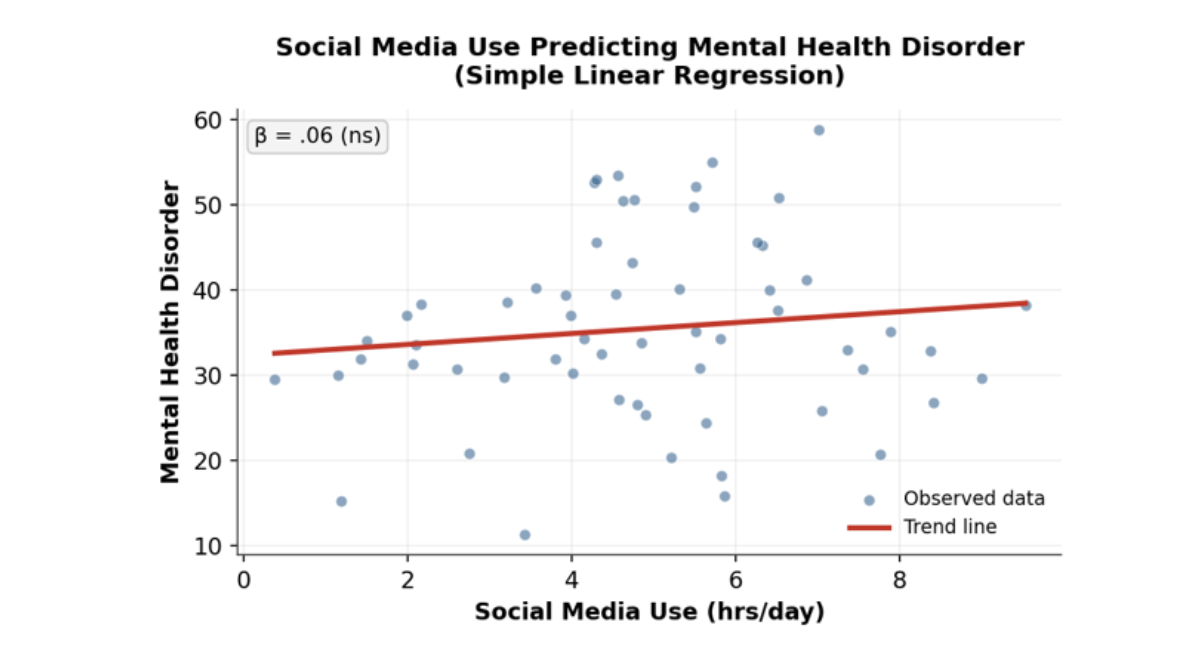
Figure 6: Social Media Use predicting Mental Health Disorder
The regression line is nearly flat, reflecting a very weak, non-significant relationship (β = .06, p = .640) between social media use and mental health disorder scores. Social media use alone explains essentially none of the variance in this outcome (R² = .004).
|
Predictor |
B |
SE B |
β |
t |
p |
|
Constant |
20.72 |
1.88 |
— |
11.06 |
0 |
|
Body Image Dissatisfaction |
0.77 |
0.16 |
0.52 |
4.67 |
0 |
Table 5: Body Image Dissatisfaction Predicting Mental Health Disorder
R = .52, R² = .27, Adjusted R² = .26, F (1, 58) = 21.78, p < .001.
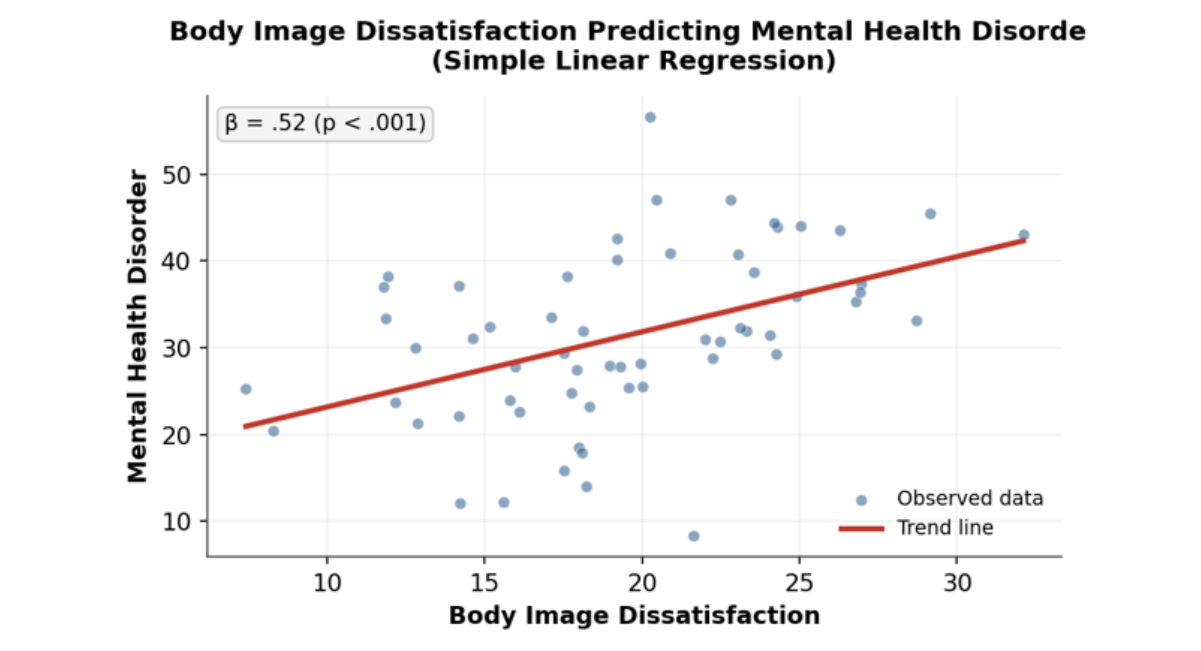
Figure 7: Body Image Dissatisfaction predicting Mental Health Disorder
The clearly upward-sloping regression line reflects a moderate-to-strong, statistically significant positive relationship (β = .52, p < .001) between body image dissatisfaction and mental health disorder. This predictor alone accounts for about 27% of the variance in mental health disorder scores.
|
Predictor |
B |
SE B |
β |
t |
p |
|
Constant |
20.79 |
3.54 |
— |
5.88 |
0 |
|
Social Media Use |
–0.01 |
0.23 |
–.002 |
–0.02 |
0.983 |
|
Body Image Dissatisfaction |
0.77 |
0.17 |
0.523 |
4.6 |
0 |
Table 6: Multiple Regression: Social Media Use and Body Image Dissatisfaction
R = .52, R² = .27, Adjusted R² = .25, F(2, 57) = 10.71, p < .001
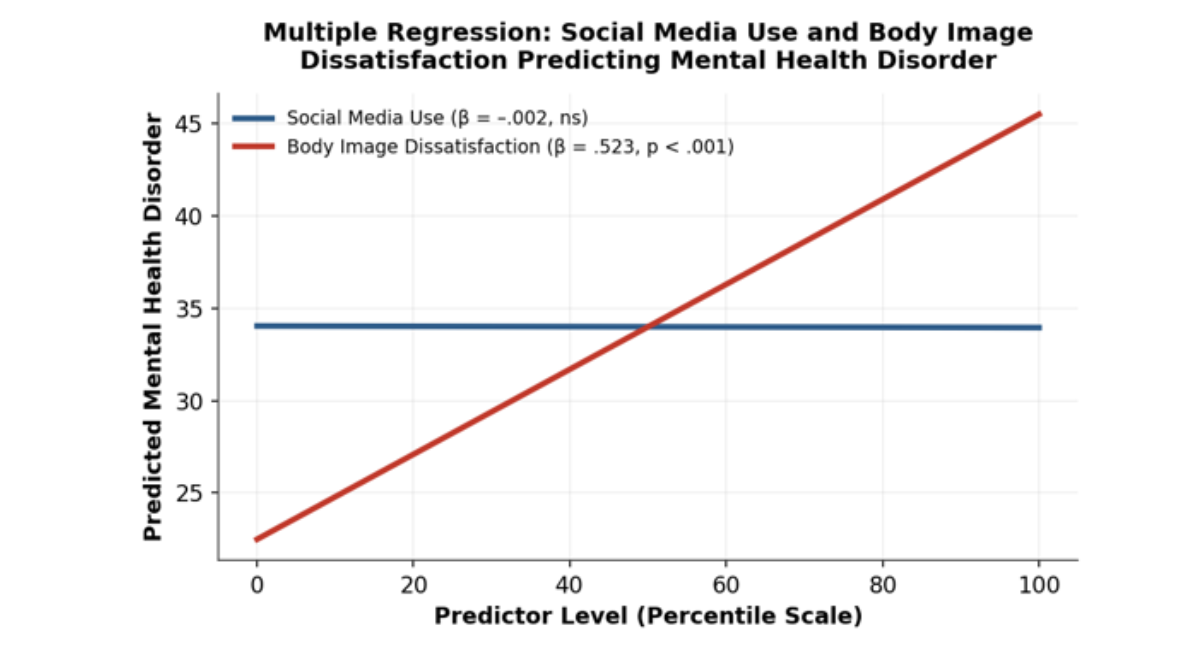
Figure 8: Combined regression lines Social Media Use and Body Image Dissatisfaction predicting Mental Health Disorder
When both predictors are entered together, the Social Media Use line (blue) is essentially flat (β = –.002, t = –0.02, p = .983), confirming it contributes almost nothing to the model once body image dissatisfaction is controlled for. The Body Image Dissatisfaction line (red) remains steep and significant (β = .523, p < .001), showing it continues to be the dominant predictor. Together, the two predictors account for about 27% of the variance in mental health disorder (R² = .27, F = 10.71, p < .001) — virtually unchanged from the simple regression in Table 4.5, underscoring that social media use adds no meaningful predictive value.
|
Source |
SS |
df |
MS |
F |
p |
|
Corrected Model |
2012.05 |
3 |
670.68 |
7.42 |
0 |
|
Intercept |
2535.1 |
1 |
2535.1 |
28.03 |
0 |
|
Social Media Use |
3.32 |
1 |
3.32 |
0.04 |
0.849 |
|
Body Image Dissatisfaction |
1889.33 |
1 |
1889.33 |
20.89 |
0 |
|
Gender |
82.46 |
1 |
82.46 |
0.91 |
0.344 |
|
Error |
5064.13 |
56 |
90.43 |
||
|
Total |
52067 |
60 |
|||
|
Corrected Total |
7076.18 |
59 |
Table 7: Univariate ANOVA: Effects of Social Media Use, Body Image Dissatisfaction, and Sex
R² = .28, Adjusted R² = .25.
Table 7 involves three distinct effects on mental health disorder, each illustrated separately below.
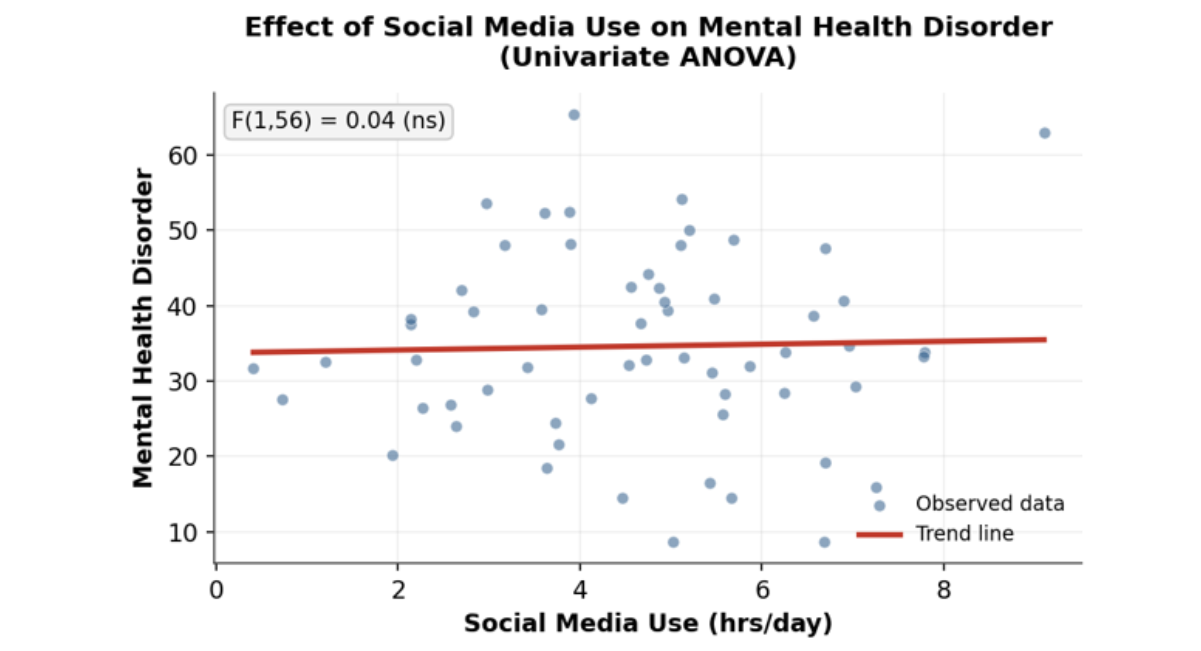
Figure 9: Effect of Social Media Use on Mental Health Disorder
Consistent with Tables 4.4 and 4.6, the trend line is essentially flat. Social media use has a negligible, non-significant effect on mental health disorder once other factors are in the model (F = 0.04, p = .849).
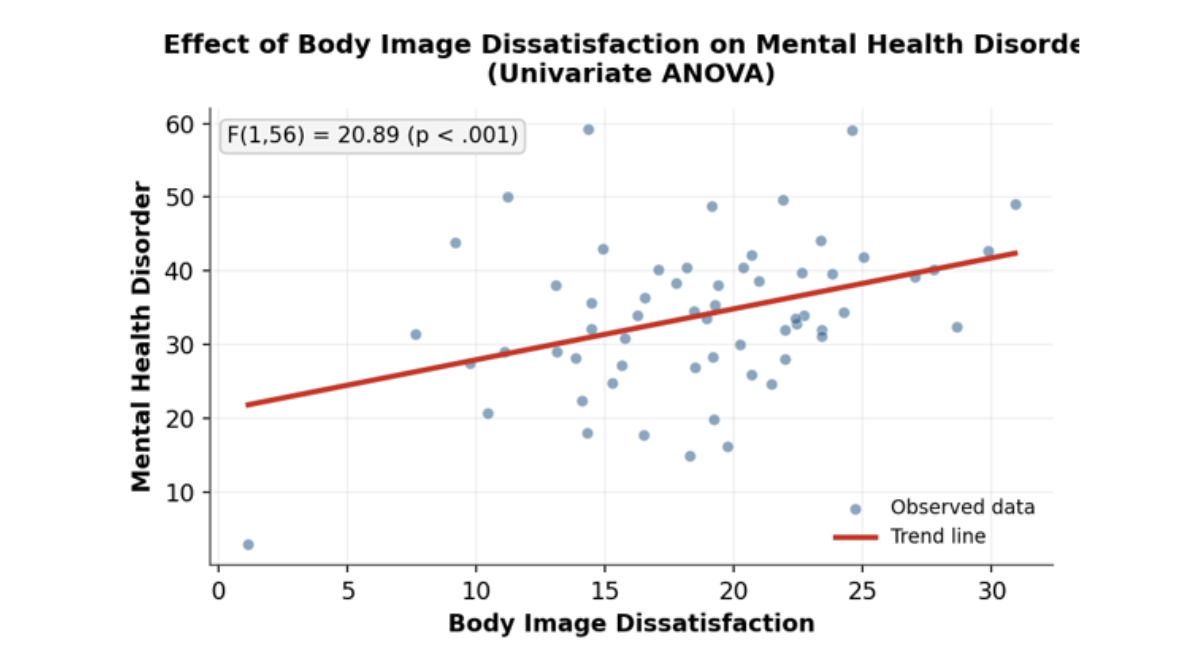
Figure 10: Effect of Body Image Dissatisfaction on Mental Health Disorder
The steep upward trend line confirms body image dissatisfaction has a strong, statistically significant effect on mental health disorder (F = 20.89, p < .001), consistent with its dominant role across all three regression models above.
Summary
Across all four tables, body image dissatisfaction consistently emerges as the strongest and only statistically significant predictor of mental health disorder evident as a simple predictor (Table 5), in the multiple regression model (Table 6), and in the univariate ANOVA (Table 7). Social media use shows a negligible, non-significant relationship with mental health disorder in every analysis (Tables 4, 6, and 7), and sex/gender differences are similarly small and non-significant (Table 7).
Test of Hypotheses
Hypothesis 1: social media use will significantly predict mental health disorders among patients in Federal Neuro-Psychiatric Hospital, Barnawa, Kaduna State. This hypothesis was tested using simple linear regression test presents in table 4.
The regression model revealed that social media use did not significantly predict mental health disorder, F (1, 58) = 0.22, p = .64. The model explained only 0.4% of the variance in mental health disorder (R = .06, R² = .004, Adjusted R² = –.013), indicating that social media use had a very weak and statistically insignificant relationship with mental health disorder levels. The unstandardized regression coefficient (B = 0.13, SE = 0.27) suggests that for every one-unit increase in social media use, mental health disorder scores increased by 0.13 units; however, this effect was not statistically significant (t = 0.47, p = .64). In other words, the findings suggest that the amount of time or frequency of social media use does not significantly predict levels of mental health disorder among the participants in this study.
Hypothesis 2: Body image dissatisfaction will significantly predict mental health disorders among patients in Federal Neuro-Psychiatric Hospital Barnawa, Kaduna state. This hypothesis was tested using simple linear regression test presents in table 5.
The results revealed that body image dissatisfaction significantly predicted mental health disorder, F (1, 58) = 21.78, p < .001. The model explained 27.3% of the variance in mental health disorder (R = .52, R² = .27, Adjusted R² = .26), indicating a moderate positive relationship between body image dissatisfaction and mental health disorder. The unstandardized regression coefficient (B = 0.77, SE = 0.16) indicates that for every one-unit increase in body image dissatisfaction, mental health disorder scores increased by approximately 0.77 units. This relationship was statistically significant (t = 4.67, p < .001), suggesting that participants with higher levels of body image dissatisfaction tended to report higher levels of mental health disorder. In other words, the findings suggest that greater body image dissatisfaction is associated with poorer mental health among the participants.
Hypothesis 3: There will be a significant combined relationship between social media use and body image dissatisfaction on mental health disorder among patients in Federal Neuro-Psychiatric Hospital Barnawa, Kaduna State. This hypothesis was tested using Multiple Linear Regression test presents in table 6.
Examining the individual predictors, body image dissatisfaction emerged as a significant positive predictor of mental health disorder ( B = 0.77, SE = 0.17, β = .52, t = 4.60, p < .001). This indicates that higher levels of body image dissatisfaction were associated with higher levels of mental health disorder. However, social media use was not a significant predictor of mental health disorder ( B = –0.01, SE = 0.23, β = –.002, t = –0.02, p = .98), suggesting that variations in social media use did not meaningfully influence mental health disorder when considered alongside body image dissatisfaction. In other words, the findings suggest that body image dissatisfaction, but not social media use, significantly predicts mental health disorder among participants. This implies that individuals who experience greater dissatisfaction with their body image are more likely to report poorer mental health outcomes, regardless of how much they use social media.
Hypothesis 4: There will be a statistically significant gender difference in the effect of social media use and body image dissatisfaction on mental health disorder among patients in Federal Neuro-Psychiatric Hospital Barnawa, Kaduna. This hypothesis was tested using Univariate Analysis of Variance presented in table 7.
The model was statistically significant, F(3, 56) = 7.42, p < .001, indicating that the combined effects of social media use, body image dissatisfaction, and sex explained a significant portion of the variance in mental health disorder. Examining the individual effect, its revealed that body image dissatisfaction had a significant main effect on mental health disorder, F(1, 56) = 20.89, p < .001, suggesting that higher levels of body image dissatisfaction were associated with higher levels of mental health disorder.
However, social media use did not have a significant effect on mental health disorder, F (1, 56) = 0.04, p = .85, indicating that differences in social media use were not meaningfully related to participants’ mental health disorder levels. Similarly, sex did not have a significant effect on mental health disorder, F (1, 56) = 0.91, p = .34, suggesting that male and female participants did not differ significantly in their reported levels of mental health disorder.
In other words, the findings indicate that body image dissatisfaction has strong and significant effect on mental health disorder, while social media use and sex do not contribute significantly to mental health disorder among the participants.
DISCUSSION
The study investigated the impact of social media and body image on mental health (anxiety and depression) among adults receiving treatment at Federal Neuro Psychiatric Hospital, Kaduna. Four hypotheses were tested. The study used the Statistical Package for Social Sciences (SPSS) version 27 to analyze the data. Descriptive statistics used were frequency, percentages, means and standard deviations while the inferential statistics used for the test of hypotheses were simple linear Regression, Multiple Regression and Univariate Analysis of Variance.
Hypothesis one stated that social media use will significantly predict mental health disorders among patients in Federal Neuro-Psychiatric Hospital, Barnawa, Kaduna State. This hypothesis was tested using simple linear regression test presents in table. The result revealed that social media use did not significantly predict mental health disorder. The model explained only 0.4% of the variance in mental health disorder indicating that social media use had a very weak and statistically insignificant relationship with mental health disorder levels. The unstandardized regression coefficient (suggests that for every one-unit increase in social media use, mental health disorder scores increased by 0.13 units; however, this effect was not statistically significant. In other words, the findings suggest that the amount of time or frequency of social media use does not significantly predict levels of mental health disorder among the participants in this study.
Supporting the finding of this study, Pew Research Center estimated that 90% of young adults have used social media with most users reporting engaging with social media daily such as Facebook, Instagram, Snapchat, Twitter; [22]. In a survey of college students having nearly half of the population demonstrated problematic social media use which was shown through mood changes, negative affect when social media is unavailable, and experiencing negative consequences in real-life because of extreme social media use [4]. Saiphoo suggested that practically no significant direct relationship has been found between social media and mental health; however, they noted that examining nuances within the data may reveal additional effects [5].
Other study, found no problematic results from using social media to stay informed, but those who utilized social media to alleviate boredom experienced more stress and anxiety. And due to this research, it may be likely that the reasons for using social media, and not just the platform of choice, are an indication of psychosocial connection of social media use.
In contrast with the finding of this study, there have been some inconsistent results regarding the impact of social media on mental health. On the one hand, a great body of research shows that there is a positive relationship between mental health and Facebook use (a social media platform). For example, during an Australian Study found that Facebook connectedness is related to lower depression and anxiety and to higher mental health [23]. On the other hand, other study shows, there is a link between the intensity of Facebook use, personality, and mental health and states that a high level of Facebook usage has negative effects on mental health. In their research on social media and mental health, found that while social media browsing has a strong negative impact on users’ subjective well-being, there is no significant impact generated by social media communication. That the negative impact of social networking is more pronounced for low-income people than for high-income people. The latter is influenced more by updates shared by their friends, while the former is influenced more by news from public sources. This search wants to broaden social media beyond Facebook to include other more recent platforms such as Instagram and tiktok to see how the presence of several social media platforms at a time affects mental health.
Hypothesis two stated that body image dissatisfaction will significantly predict mental health disorders among patients in Federal Neuro-Psychiatric Hospital Barnawa, Kaduna state. This hypothesis was tested using simple linear regression test presents in table. The results revealed that body image dissatisfaction significantly predicted mental health disorder. The model explained 27.3% of the variance in mental health disorder indicating a moderate positive relationship between body image dissatisfaction and mental health disorder. The unstandardized regression coefficient indicates that for every one-unit increase in body image dissatisfaction, mental health disorder scores increased by approximately 0.77 units. This relationship was statistically significant, suggesting that participants with higher levels of body image dissatisfaction tended to report higher levels of mental health disorder. In other words, the findings suggest that greater body image dissatisfaction is associated with poorer mental health among the participants. In connection with the finding of this study, over the past ten years, research on body image has started to look at the concept of positive body image in addition to its original focus on body image problems. Similar to this, the burgeoning social media movement known as "body positivity" aims to encourage acceptance and admiration of different bodies and appearances while challenging prevailing conventional appearance ideals. Cohen made an analysis of Instagram postings that promote body positivity in their study [24]. A sample of 640 Instagram posts from well-known body-positive accounts was coded for features linked to physical appearance and contained primary themes.
The findings indicated that a wide variety of body types and features were usually shown in body positive imagery. Furthermore, the majority of postings communicated signals consistent with theoretical criteria of good body image, even while a small percentage of posts focused on looks. In addition to highlighting areas of similarity and divergence from academic theories of positive body image and other appearance-focused social media material, this study explains body positive content on Instagram. The findings therefore have theoretical and practical ramifications for next studies and preventative initiatives. Social media use and numerous psychological wellbeing characteristics have been the subject of research due to the platform's rapid rise in popularity over the past ten years. Body image has been a variable of interest because of the ways in which social media and conventional media are similar, as well as the distinct kinds of social comparisons that can take place on these platforms. There is disagreement in the research regarding the valence of this relationship and conflicting results
More so, Sanzari was to shed light on the connection between body image and social media use by offering a quantitative overview of cross-sectional studies on the subject [25]. An overall effect size of r = 0.169, CI [0.131, 0.206], obtained from a random-effects model analysis of sixty- three independent samples (N = 36,552), indicated a minor, positive, and significant association between social media use and body image disturbance. Age, country grouping, body image dimension, and type of social media use were all revealed to be important modifiers of this association. There includes discussion of the meta-analysis's advantages and disadvantages as well as potential future possibilities for this field of study.
Hypothesis three stated that there will be a significant combined relationship between social media use and body image dissatisfaction on mental health disorder among patients in Federal Neuro-Psychiatric Hospital Barnawa, Kaduna State. This hypothesis was tested using Multiple Linear Regression test presents in table. The general regression model was statistically significant, indicating that the combined predictors significantly explained variations in mental health disorder. The model accounted for approximately 27.3% of the variance in mental health disorder, suggesting a moderate predictive relationship.
Examining the individual predictors, body image dissatisfaction emerged as a significant positive predictor of mental health disorder. This indicates that higher levels of body image dissatisfaction were associated with higher levels of mental health disorder. However, social media use was not a significant predictor of mental health disorder, suggesting that variations in social media use did not meaningfully influence mental health disorder when considered alongside body image dissatisfaction. In other words, the findings suggest that body image dissatisfaction, but not social media use, significantly predicts mental health disorder among participants. This implies that individuals who experience greater dissatisfaction with their body image are more likely to report poorer mental health outcomes, regardless of how much they use social media.
Supporting the finding of this study, the links between body image, self-esteem, psychological well-being, self- status seeking and socializing, and information-seeking on social media were all studied in the study Marengo along with certain cultural influences that may have moderated these associations [26]. An online poll was completed by Koreans (n = 518) and Americans (n = 502). The primary conclusions demonstrated that: (a) body satisfaction is negatively correlated with social media use in the US and Korea when it comes to body image information; (b) body satisfaction has positive, direct, and indirect effects on psychological well-being that are similar in the US and Korea when it comes to self-status seeking regarding body image.
Over again, Marengo in a longitudinal study of Italian adolescents, heavy use of highly visual social media (HVSM) like Instagram and Snapchat predicted increased body image issues and internalizing symptoms (depression, anxiety) over a 12-month period [26]. Their statistical model suggested that body image issues acted as a mediator, meaning that HVSM use led to body image concerns, which in turn led to poorer mental health.
Furthermore, Sanzari - Meta-Analysis is a quantitative review of 63 cross-sectional studies (N=36,552) in which they confirmed a small but significant positive correlation (r = .169) between social media use and body image disturbance [25]. Moderator analyses revealed the relationship was stronger for younger users and for those using highly visual platforms like Instagram. when surveying undergraduate cohorts in 2015 and 2022, found that exposure to content about weight loss was directly linked to decreased body appreciation and increased binge eating [26]. The sheer quantity of time on social media was not a significant predictor when content type was considered, underscoring that content is a more critical variable than time. Jung in a two-year longitudinal study of young adults found that greater daily time spent on image-based social media (Instagram, Snapchat) predicted increased body dissatisfaction and disordered eating symptoms over time, and this relationship was fully mediated by appearance comparison [27].
Hypothesis four stated that there will be a statistically significant gender difference in the effect of social media use and body image dissatisfaction on mental health disorder among patients in Federal Neuro-Psychiatric Hospital Barnawa, Kaduna. This hypothesis was tested using Univariate Analysis of Variance presented in table. The model was statistically significant, indicating that the combined effects of social media use, body image dissatisfaction, and sex explained a significant portion of the variance in mental health disorder. Examining the individual effect, it’s revealed that body image dissatisfaction had a significant main effect on mental health disorder, suggesting that higher levels of body image dissatisfaction were associated with higher levels of mental health disorder.
However, social media use did not have a significant effect on mental health disorder, indicating that differences in social media use were not meaningfully related to participants’ mental health disorder levels. Similarly, sex did not have a significant effect on mental health disorder, suggesting that male and female participants did not differ significantly in their reported levels of mental health disorder. In other words, the findings indicate that body image dissatisfaction has strong and significant effect on mental health disorder, while social media use and sex do not contribute significantly to mental health disorder among the participants.
In accordance with the finding of this study, Cohen carried out a study to pinpoint the precise aspects of social networking sites (SNS) that are associated with young women's body image issues [24]. 259 women, ages 18 to 29, answered questionnaires about their usage of social media (Facebook and Instagram) and their concerns about their bodies. It was discovered that young women's body image problems were more closely associated with appearance-focused social media use than with general SNS use. More photo-related activity on Facebook, but not overall Facebook use, was specifically linked to increased thin-ideal internalization and body surveillance. Comparably, following appearance-focused Instagram accounts was linked to internalization of the thin-ideal, body monitoring, and drive for thinness, while following appearance-neutral accounts was unrelated to any outcomes related to body image.
Also, In the study by Fardouly, they used experimental methods to examine how women's mood and body image are affected by using Facebook, whether these effects are different from those of an online fashion magazine, and whether the desire to compare one's appearance to others mitigates any of these effects [28]. After randomly assigning female participants (N = 112) to spend ten minutes on either Facebook, a magazine website, or an appearance-neutral control website, they were asked to complete state measures related to mood, body dissatisfaction, and appearance discrepancies (related to weight and issues with their faces, hair, and skin). A trait assessment of the tendency to compare looks was also completed by the participants. Compared to those who visited the control website, participants who spent time on Facebook reported feeling more depressed. Moreover, after viewing Facebook, women with a strong propensity for beauty comparison reported more differences in their skin, hair, and features than after viewing the control page. Given its widespread use, additional study is required to fully comprehend Facebook's influence on appearance-related issues.
Again, Social media platforms are becoming more and more common communication tools. Previous studies have indicated a connection between social media use, negative affect, and upward social comparison. In order to explore how fitness photos on the social networking site Pinterest contribute to social comparison and intentions to engage in extreme weight-loss activities, this online study conducted by Lewallen, of US women (N = 118) uses a media psychology method [29]. According to the research, those who follow more fitness-related boards on Pinterest are more likely to say they intend to follow drastic weight-loss methods. Furthermore, there was a positive correlation found between the endorsement of an ideal female body type and the intention to engage in extreme weight-loss practices as well as social comparison. Social comparison theory is used to discuss the findings, and recommendations are provided for future [30].
CONCLUSION
At the end of the study, it was concluded that the finding of this study that: The first hypothesis was not confirmed to be statistically significant; therefore, the study concluded that, social media use did not significantly predicted mental health disorder among patients in Federal Neuro-Psychiatric Hospital Barnawa, Kaduna State. The second hypothesis was confirmed to be statistically significant; therefore, the study concluded that, body image dissatisfaction significantly predicted mental health disorder among patients in Federal Neuro-Psychiatric Hospital Barnawa, Kaduna State. The third hypothesis was confirmed to be statistically significant; therefore, the study concluded that, there was a significant combined relationship between social media use and body image dissatisfaction on mental health disorder among patients in Federal Neuro-Psychiatric Hospital Barnawa, Kaduna State. The fourth hypothesis was partly confirmed to be statistically significant; thus, it was concluded that, there was a statistically significant effect of body image dissatisfaction on mental health disorder but insignificant effect of gender and social media use among patients in Federal Neuro-Psychiatric Hospital Barnawa, Kaduna.
ACKNOWLEDGEMENT
The authors acknowledge the support, approval and permission of Health Research Ethical Committee of Federal Neuropsychiatric Hospital (FNHP), Barnawa, Kaduna to conduct the study in the hospital, including Psychiatrists and Clinical Psychologists who made the diagnosis and Clinical Psychologists who assisted in the interview and the administration of the questionnaires. Also, our sincere thanks to all the patients who shared their views in attending to the questionnaire and interview in the study.
CONSENT STATEMENT
The patient gave written informed consent.
CONFLICT OF INTEREST
The authors declare no conflicts of interest.
FUNDING
The authors did not receive any specific funding for the study
REFERENCES
- Griffiths, S., Murray, S. B., & Krug, I. The contribution of social media to the drive for muscularity in men: A systematic review. Body Image, 41, 163-178. [PubMed]
- Keles B, McCrae N, Grealish A. A systematic review: the influence of social media on depression, anxiety and psychological distress in adolescents. International journal of adolescence and youth. 2020;25(1):79-93. [Crossref] [Google Scholar]
- Data Reportal. Digital 2023: Global overview report.
- Bányai F, Zsila Á, Király O, Maraz A, Elekes Z, et al. Problematic social media use: Results from a large-scale nationally representative adolescent sample. PloS one. 2017;12(1):e0169839. [Crossref] [Google Scholar] [PubMed]
- Saiphoo AN, Vahedi Z. A meta-analytic review of the relationship between social media use and body image disturbance. Computers in human behavior. 2019;101:259-75. [Crossref] [Google Scholar]
- Fardouly, J., & Rapee, R. M. (2022). The impact of digital media on body image and disordered eating in young people. Current Opinion in Psychiatry, 35(6), 393-398.
- Akbari M, Seydavi M, Spada MM, Mohammadkhani S, Jamshidi S, et al. The Big Five personality traits and online gaming: A systematic review and meta-analysis. Journal of Behavioral Addictions. 2021;10(3):611-25. [Google Scholar]
- Cash TF, Pruzinsky T, Grazer FM, Sorensen CL. Body images: Development, deviance, and change. Plastic and Reconstructive Surgery. 1991;88(2):367. [Crossref] [Google Scholar]
- Stice E. Risk and maintenance factors for eating pathology: a meta-analytic review. Psychological bulletin. 2002;128(5):825. [Crossref] [Google Scholar] [PubMed]
- Tylka TL, Wood-Barcalow NL. The Body Appreciation Scale-2: item refinement and psychometric evaluation. Body image. 2015;12:53-67. [Crossref] [Google Scholar] [PubMed]
- Bui E, Mauro C, Robinaugh DJ, Skritskaya NA, Wang Y, et al. The structured clinical interview for complicated grief: reliability, validity, and exploratory factor analysis. Depression and anxiety. 2015;32(7):485-92. [Google Scholar]
- Nigerian Communications Commission. NCC releases latest industry data.
- Bamgbade, B. O., Barner, J. C., & Ford, K. H. Body image and weight perception among Nigerian adolescents: The role of culture and media. Journal of Child and Adolescent Mental Health, 33(2), 89-101.
- Charles, C. Skin bleaching and the dynamics of colorism in Nigeria. University of Lagos Press.
- Hurst K, Heruc G, Thornton C, Freeman J, Fursland A, et al. ANZAED practice and training standards for mental health professionals providing eating disorder treatment. Journal of Eating Disorders. 2020;8(1):58. [Google Scholar]
- American Psychiatric Association. Diagnostic and statistical manual of mental disorders.
- Cash TF, Phillips KA, Santos MT, Hrabosky JI. Measuring “negative body image”: validation of the Body Image Disturbance Questionnaire in a nonclinical population. Body image. 2004;1(4):363-72. [Crossref] [Google Scholar]
- Andreassen CS, Torsheim T, Brunborg GS, Pallesen S. Development of a Facebook addiction scale. Psychological reports. 201;110(2):501-17. [Crossref] [Google Scholar] [PubMed]
- Lovibond SH. Manual for the depression anxiety stress scales. Sydney psychology foundation. 1995. [Crossref] [Google Scholar]
- Henry JD, Crawford JR. The short‐form version of the Depression Anxiety Stress Scales (DASS‐21): Construct validity and normative data in a large non‐clinical sample. British journal of clinical psychology. 2005;44(2):227-39. [Crossref] [Google Scholar] [PubMed]
- Bello, B. M., Gbolahan, O. O., & Oshodi, Y. O. Psychometric properties of the Depression Anxiety Stress Scale (DASS-21) among Nigerian adults. Journal of Psychiatry.
- Duggan, M., Ellison, N. B., Lampe, C., Lenhart, A., & Madden, M. Social media update 2014. Pew Research Center.
- Grieve R, Indian M, Witteveen K, Tolan GA, Marrington J. Face-to-face or Facebook: Can social connectedness be derived online?. Computers in human behavior. 2013;29(3):604-9. [Google Scholar]
- Cohen R, Newton-John T, Slater A. The relationship between Facebook and Instagram appearance-focused activities and body image concerns in young women. Body image. 2017;23:183-7. [Crossref] [Google Scholar] [PubMed]
- Yu Y, Yeh KL, Kalarchian MA, Groth S. Experiences of loss of control eating in women after bariatric surgery: a qualitative study. International Journal of Eating Disorders. 2023 Jun;56(6):1145-55 [Google Scholar]
- Köbis N, Mossink LD. Artificial intelligence versus Maya Angelou: Experimental evidence that people cannot differentiate AI-generated from human-written poetry. Computers in human behavior. 2021;114:106553. [Google Scholar]
- Jung, J., Hwang, C. S., & Lee, S. The impact of social media use on body image and depressive symptoms in young adults: A longitudinal study. Cyberpsychology, Behavior, and Social Networking, 25(6), 377-383.
- Fardouly J, Diedrichs PC, Vartanian LR, Halliwell E. Social comparisons on social media: The impact of Facebook on young women's body image concerns and mood. Body image. 2015;13:38-45. [Crossref] [Google Scholar] [PubMed]
- Lewallen J, Behm-Morawitz E. Pinterest or thinterest?: Social comparison and body image on social media. Social media+ society. 2016;2(1):2056305116640559. [Crossref] [Google Scholar]
- Perloff RM. Social media effects on young women’s body image concerns: Theoretical perspectives and an agenda for research. Sex roles. 2014;71(11):363-77. [Crossref] [Google Scholar]