
Environmental Resilience, Climate and Sustainability

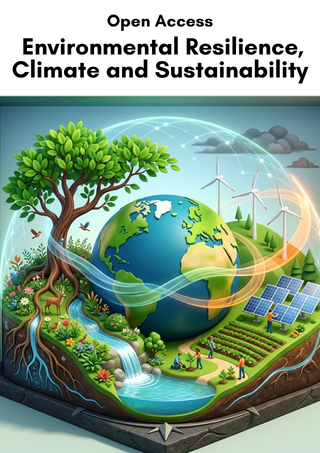
Journal Flyer
Publisher Navigation
Journal Highlights
Open Access Journals
Environmental Resilience
Environmental resilience refers to the ability of natural and human systems to withstand, adapt to, and recover from environmental stresses, climate-related disturbances, and ecological changes. It plays a vital role in maintaining ecosystem stability, supporting sustainable development, and reducing the impacts of environmental degradation. Ecosystems such as forests, wetlands, grasslands, and coastal environments contribute significantly to environmental resilience by regulating climate, conserving biodiversity, purifying water, and protecting communities from natural disasters. However, increasing pressures from climate change, pollution, deforestation, urbanization, and resource depletion are weakening environmental resilience across the globe. These challenges affect ecosystem services, food security, water availability, and human well-being. Strengthening environmental resilience requires integrated approaches including sustainable resource management, ecosystem restoration, climate adaptation strategies, green technologies, and effective environmental policies. Promoting resilience-focused solutions is essential for enhancing ecological sustainability, reducing vulnerability, and ensuring a balanced and resilient future for both nature and society